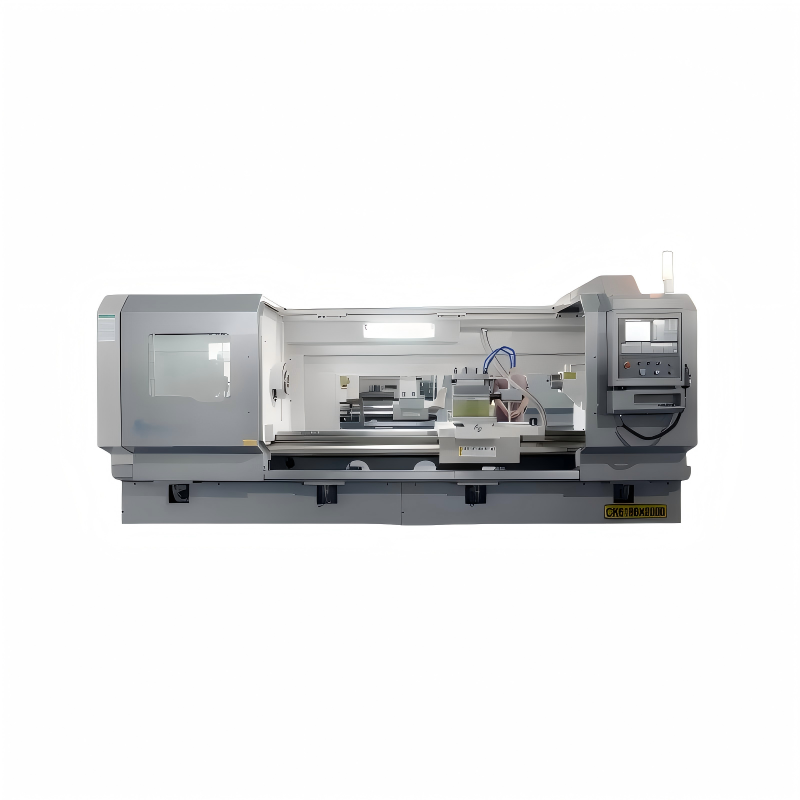
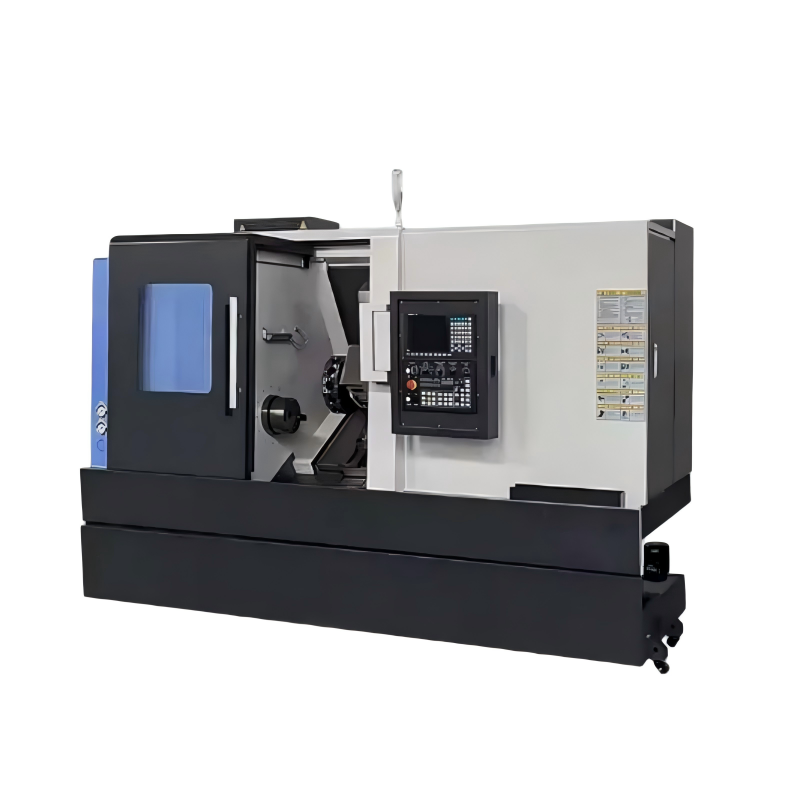
This comprehensive guide aims to provide an in-depth understanding of operating a Horizontal Lathe Machine, which is essential for anyone involved in machining processes. From the basics of setting up and preparing the machine, through to executing various operations with precision, this document covers all necessary aspects. The guide delves into safety protocols, maintenance tips, and troubleshooting techniques, ensuring that operators can work efficiently while minimizing risks. By following the detailed instructions provided, users will be able to maximize the performance of their Horizontal Lathe Machine, thereby enhancing productivity and quality in their manufacturing or workshop environment.
A horizontal lathe machine consists of several key components, each serving a specific function. The headstock, located at one end of the bed, houses the main spindle, which rotates the workpiece. The tailstock, found on the opposite end, supports the workpiece and can be used for drilling or reaming operations. The carriage, which moves along the bed, includes the cross slide and compound rest, allowing for precise movement and positioning of the cutting tool. Understanding these components is crucial for effective operation and maintenance of the machine.
Proper setup of the horizontal lathe machine is vital for achieving accurate and safe operations. This involves securing the workpiece firmly using chucks or collets, ensuring it is centered and balanced. The tooling must also be correctly installed, with the cutting tools securely fastened in the tool post. Additionally, the machine should be adjusted according to the job requirements, including setting the correct speed and feed rates. A well-set-up machine not only enhances efficiency but also reduces the risk of accidents and ensures consistent quality in the final product.
Turning is one of the most common operations performed on a horizontal lathe machine. It involves rotating the workpiece while a cutting tool removes material to create a cylindrical shape. There are several types of turning operations, such as straight turning, taper turning, and facing. Each requires specific settings and techniques. For example, in straight turning, the tool is fed parallel to the axis of the workpiece, while in taper turning, the tool is gradually moved at an angle to create a conical surface. Proper tool selection and adjustment are critical to achieve the desired results and maintain the integrity of the workpiece.
Threading and drilling are other important operations that can be performed on a horizontal lathe machine. Threading involves creating a helical groove on the surface of the workpiece, which is essential for parts that require screw threads. The process requires the use of specialized threading tools and careful control of the feed rate and depth. Drilling, on the other hand, is used to create holes in the workpiece. This is typically done using the tailstock, which can hold a drill bit and be precisely positioned to ensure accurate hole placement. Both threading and drilling require attention to detail and adherence to specific procedures to achieve high-quality results.
Regular maintenance is essential to keep a horizontal lathe machine in optimal condition. This includes cleaning the machine after each use to remove chips and debris, lubricating moving parts to reduce wear, and inspecting the machine for any signs of damage or wear. Additionally, it is important to check and adjust the alignment of the machine's components, such as the headstock and tailstock, to ensure they are properly aligned. Regular maintenance not only extends the life of the machine but also ensures that it operates efficiently and safely.
Despite regular maintenance, issues may still arise during the operation of a horizontal lathe machine. Some common problems include excessive vibration, poor surface finish, and tool breakage. Excessive vibration can often be resolved by checking and tightening loose components, balancing the workpiece, or adjusting the speed and feed rates. Poor surface finish may be due to dull or improperly set cutting tools, so it is important to regularly inspect and replace tools as needed. Tool breakage can be minimized by using the correct tool for the job, ensuring proper clamping, and maintaining appropriate cutting parameters. By addressing these issues promptly, operators can minimize downtime and maintain the quality of their work.
 04/06/2026
Horizontal Lathe Machines, an essential tool in the manufacturing and machining industry, have been a cornerstone of precision engineering for decades. These machines are designed to shape metal or other rigid materials by rotating them against a cutting
Read More04/06/2026Choosing the right China lathe manufacturer for precision work, especially when it comes to a Horizontal Lathe Machine, is a critical decision that can significantly impact the quality and efficiency of your manufacturing processes. This technical report
Read More04/06/2026Horizontal lathe machines have become an indispensable part of modern manufacturing, playing a crucial role in the production of precision components. This report delves into the significance of horizontal lathe machines, exploring their versatility, effi
Read MoreOur professional sales team is always ready to assist you.