In the rapidly evolving landscape of modern manufacturing, the role of custom lathe machines cannot be overstated. These sophisticated tools have become indispensable for producing components with high precision and efficiency. This report explores recent innovations in custom lathe machine technology, highlighting how these advancements are transforming the industry.
The Evolution of Custom Lathe Machine Technology
Over the years, the design and capabilities of custom lathe machines have undergone significant transformations. Initially, lathes were simple, manually operated devices used primarily for turning wood or metal. However, with the advent of computer numerical control (CNC) systems, the potential of lathes expanded dramatically. Today, custom lathe machines are equipped with advanced software and hardware that allow for highly precise and repeatable operations.
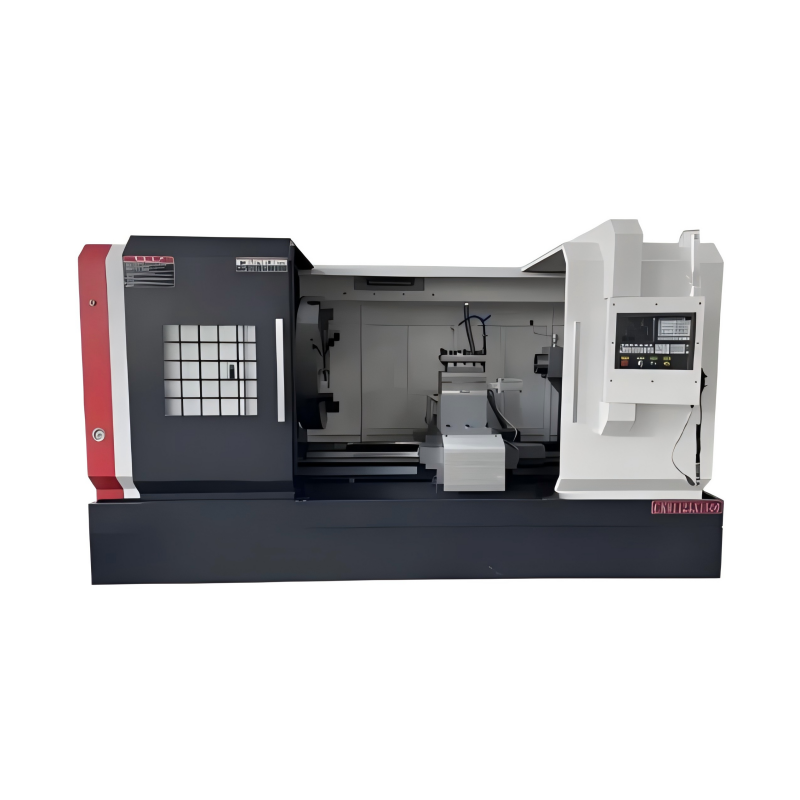
One of the key drivers of this evolution is the integration of digital technologies. Modern CNC Lathes can now perform complex multi-axis machining, enabling the production of intricate parts with minimal human intervention. Additionally, the use of high-speed spindles and advanced cutting tools has significantly increased the speed and accuracy of machining processes.
Enhanced Precision and Efficiency
One of the most significant advantages of using a custom lathe machine is the enhanced precision it offers. With the ability to achieve tolerances as tight as a few microns, these machines ensure that every part produced meets the highest standards of quality. This level of precision is particularly crucial in industries such as aerospace, automotive, and medical device manufacturing, where even the slightest deviation can have serious consequences.
Moreover, the efficiency of custom lathe machines has been greatly improved through the use of automation. Automated tool changers, for example, reduce setup times and increase productivity. Similarly, the integration of real-time monitoring and data analytics allows manufacturers to optimize their processes, minimize downtime, and improve overall equipment effectiveness (OEE).
Customization and Flexibility
Another critical aspect of custom lathe machines is their ability to be tailored to specific manufacturing needs. Unlike standard lathes, which are designed for general-purpose use, custom lathes can be configured to handle unique materials, shapes, and sizes. This flexibility is achieved through the use of modular components and adaptable software, allowing manufacturers to create bespoke solutions that perfectly match their requirements.
For instance, a custom lathe machine can be equipped with specialized tooling and workholding fixtures to accommodate irregularly shaped parts or exotic materials. Furthermore, the software can be programmed to execute specific machining sequences, ensuring that each part is manufactured to exact specifications. This level of customization not only enhances the quality of the final product but also reduces waste and improves cost-effectiveness.
Integration with Industry 4.0 Technologies
The concept of Industry 4.0, which emphasizes the integration of digital and physical systems, has had a profound impact on the development of custom lathe machines. These machines are increasingly being connected to the Internet of Things (IoT), enabling them to communicate with other devices and systems within the manufacturing environment. This connectivity facilitates the seamless flow of data, enabling real-time monitoring, predictive maintenance, and remote diagnostics.
For example, sensors embedded in the lathe can collect data on machine performance, tool wear, and material properties. This data can then be analyzed using artificial intelligence (AI) and machine learning (ML) algorithms to identify patterns and trends. By leveraging these insights, manufacturers can proactively address potential issues, optimize their processes, and enhance overall operational efficiency.
Sustainability and Environmental Impact
As the manufacturing industry becomes more conscious of its environmental footprint, the sustainability of custom lathe machines is gaining increasing attention. Innovations in energy efficiency, waste reduction, and the use of eco-friendly materials are all contributing to the development of more sustainable machining solutions.
Modern custom lathe machines are designed to consume less power while maintaining high performance. Features such as regenerative braking and energy-efficient drives help to reduce energy consumption. Additionally, the use of recycled and biodegradable materials in the construction of the machine and its components minimizes the environmental impact of the manufacturing process.
Furthermore, the integration of lean manufacturing principles and the adoption of circular economy practices are helping to further reduce waste and improve resource utilization. By optimizing the entire production cycle, from raw material sourcing to end-of-life disposal, manufacturers can create a more sustainable and environmentally friendly manufacturing ecosystem.
In conclusion, the innovations in custom lathe machine technology are driving significant advancements in modern manufacturing. From enhanced precision and efficiency to customization and flexibility, these machines are enabling manufacturers to produce high-quality components with greater speed and accuracy. The integration of Industry 4.0 technologies and the focus on sustainability are further enhancing the capabilities of custom lathes, making them an essential tool for the future of manufacturing.

 23/06/2026