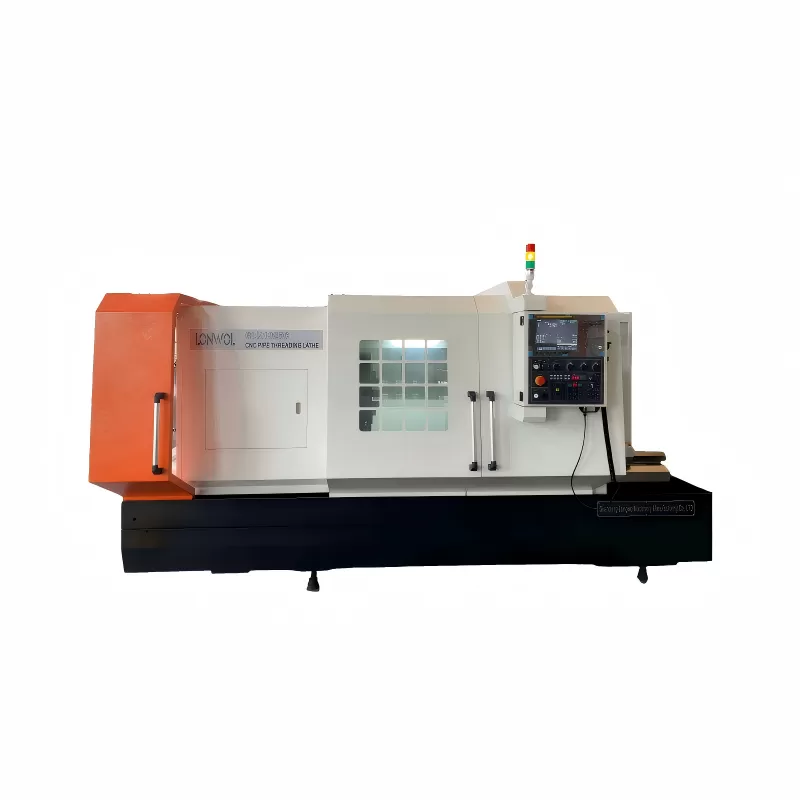
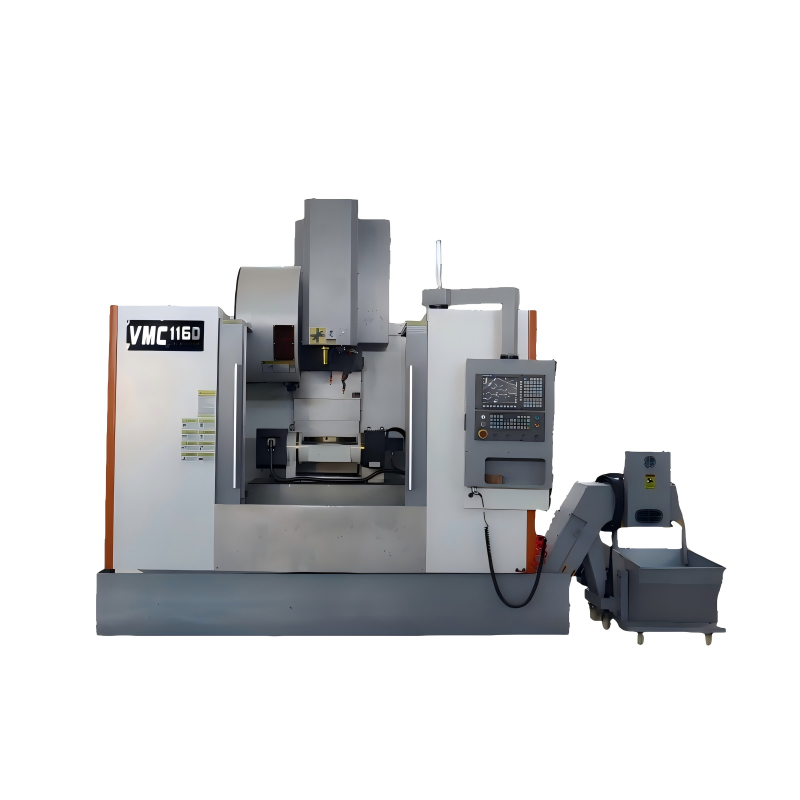
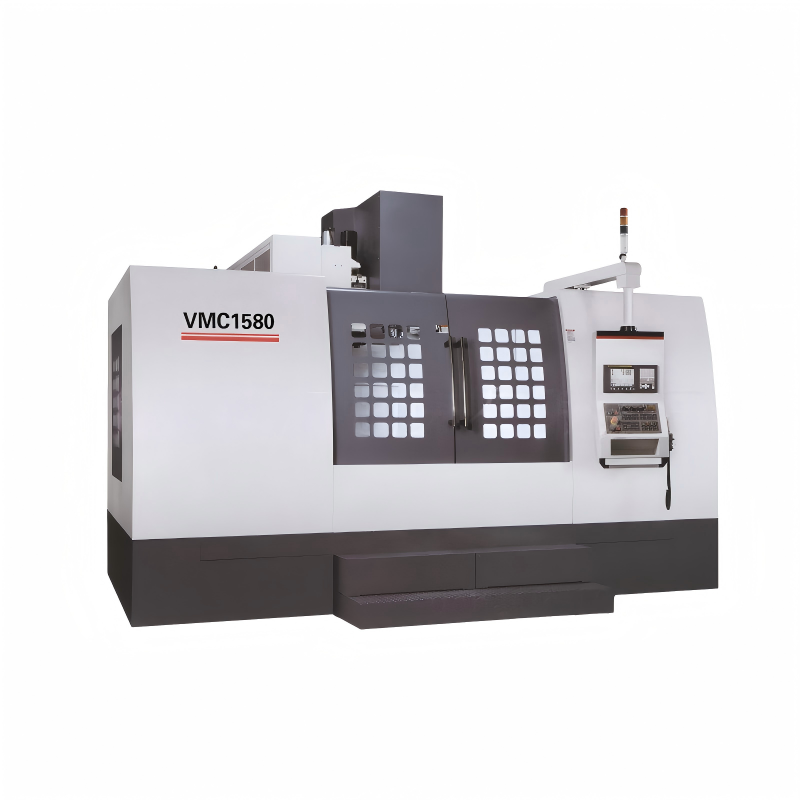
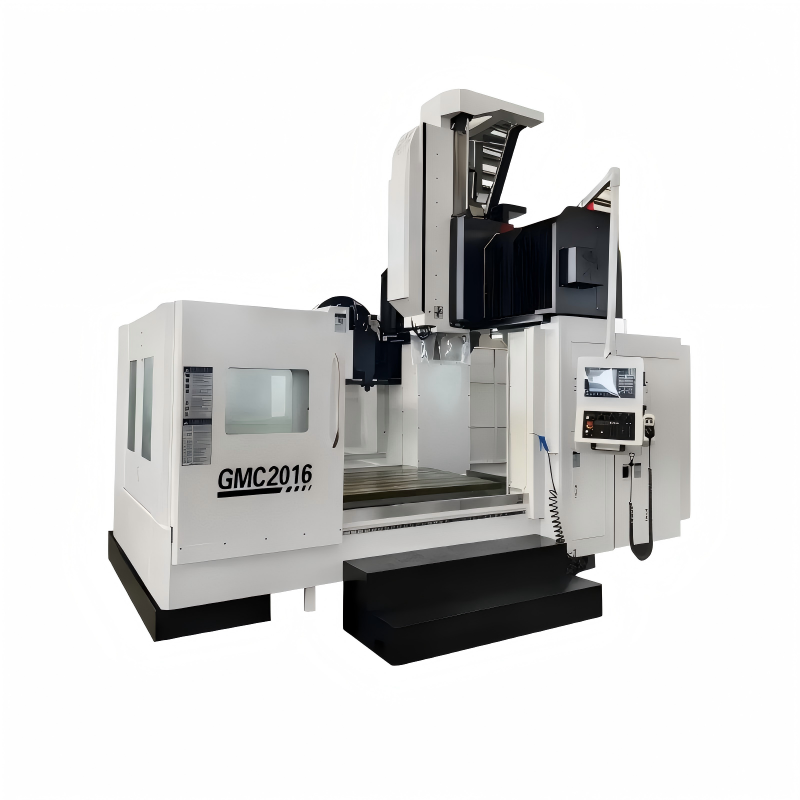
In the realm of manufacturing, the ability to customize machinery for specific tasks is a critical factor in achieving optimal performance and efficiency. This report delves into the customization process of a Vertical Machining Center Lathe Machine, focusing on how such modifications can be implemented to meet specialized application needs. The discussion will cover three main areas: enhancing precision and accuracy, improving material handling capabilities, and optimizing operational efficiency.
Precision and accuracy are paramount in machining processes, especially when dealing with intricate or high-tolerance parts. Customizing a lathe machine to improve these aspects involves several key adjustments.
One of the most effective ways to enhance precision is through the use of advanced tooling. High-precision cutting tools, such as those made from carbide or diamond, offer superior wear resistance and cutting performance. Additionally, incorporating tool changers that allow for quick and accurate tool changes can significantly reduce setup times and minimize errors.
Integrating advanced measurement systems, such as laser or optical sensors, can provide real-time feedback on the machining process. These systems can detect even the slightest deviations and adjust the machine's parameters accordingly, ensuring that the final product meets the required specifications. Furthermore, these systems can be programmed to perform automatic calibrations, further enhancing the overall accuracy of the machining process.
The ability to handle a wide range of materials efficiently is another crucial aspect of a customized Vertical Machining Center Lathe Machine. By making specific modifications, the machine can be adapted to work with various materials, including metals, plastics, and composites.
Effective clamping and fixturing are essential for securing the workpiece during the machining process. Customized clamps and fixtures can be designed to accommodate different shapes and sizes of materials, ensuring that they are held firmly in place. This not only improves the accuracy of the machining process but also reduces the risk of damage to the workpiece.
Different materials require different cutting parameters, such as speed, feed rate, and depth of cut. By programming the lathe machine with material-specific cutting parameters, operators can achieve optimal results for each type of material. For example, softer materials may require higher cutting speeds and lower feed rates, while harder materials may need slower speeds and higher feed rates. Implementing these settings can significantly improve the quality and consistency of the machined parts.
Operational efficiency is a key factor in maximizing the productivity and cost-effectiveness of a Vertical Machining Center Lathe Machine. Customization can play a vital role in streamlining operations and reducing downtime.
Automating the loading and unloading of workpieces can significantly reduce the time and effort required for these tasks. Robotic arms or automated conveyors can be integrated into the lathe machine to handle the workpieces, allowing for continuous operation without the need for manual intervention. This not only increases the throughput but also reduces the risk of human error and injury.
Implementing real-time monitoring and data analysis systems can provide valuable insights into the performance of the lathe machine. Sensors and data loggers can be used to collect information on various parameters, such as temperature, vibration, and power consumption. This data can then be analyzed to identify trends, predict maintenance needs, and optimize the machine's performance. By proactively addressing potential issues, operators can minimize downtime and extend the lifespan of the machine.
In conclusion, customizing a Vertical Machining Center Lathe Machine for specialized applications can significantly enhance its precision, material handling capabilities, and operational efficiency. By implementing advanced tooling solutions, integrating advanced measurement systems, designing customized clamping and fixturing, programming material-specific cutting parameters, automating workpiece loading and unloading, and utilizing real-time monitoring and data analysis, manufacturers can achieve superior results and stay competitive in the ever-evolving manufacturing landscape.
 04/06/2026
In the world of manufacturing, a high-performance lathe machine, particularly when integrated into a vertical machining center (VMC), can significantly enhance productivity. This article will explore how to maximize productivity with such a setup, focusin
Read More03/06/2026IntroductionThe evolution of manufacturing technologies has significantly transformed the production landscape, with Vertical Machining Center Lathe Machine playing a crucial role in this transformation. These advanced machines have become indispensable t
Read More01/06/2026The field of manufacturing technology has witnessed significant advancements, particularly in the domain of vertical machining center lathe machines. These innovations not only enhance productivity and precision but also contribute to more sustainable and
Read More31/05/2026In the world of manufacturing, precision and efficiency are paramount. Among the tools that have revolutionized this field, the Vertical Machining Center Lathe Machine stands out as a versatile and indispensable piece of equipment. This article aims to gu
Read More30/05/2026Introduction to Vertical Machining Center Lathe Machine The vertical machining center lathe machine, often abbreviated as VMC, represents a significant advancement in the field of precision manufacturing. Unlike traditional lathes, which are primarily use
Read More29/05/2026In the domain of manufacturing, the Vertical Machining Center Lathe Machine stands out as a critical piece of equipment for producing precision parts. Its efficiency and accuracy make it indispensable in numerous industries, from automotive to aerospace.
Read More28/05/2026IntroductionThe vertical machining center (VMC) is a pivotal tool in the realm of precision manufacturing, offering unparalleled accuracy and versatility. This report delves into advanced techniques that can be employed to maximize the potential of a Vert
Read More27/05/2026IntroductionWhen it comes to outfitting a workshop, selecting the right lathe machine is a critical decision. A lathe is an essential tool for turning, facing, drilling, and threading operations. This guide aims to provide a comprehensive overview of how
Read More26/05/2026Understanding the Core Capabilities of a Vertical Machining Center A vertical machining center (VMC) is an essential tool in modern manufacturing, offering unparalleled precision and versatility. By leveraging the full potential of your VMC, you can signi
Read MoreOur professional sales team is always ready to assist you.