Understanding the Importance of Conventional Lathes in Modern Workshops
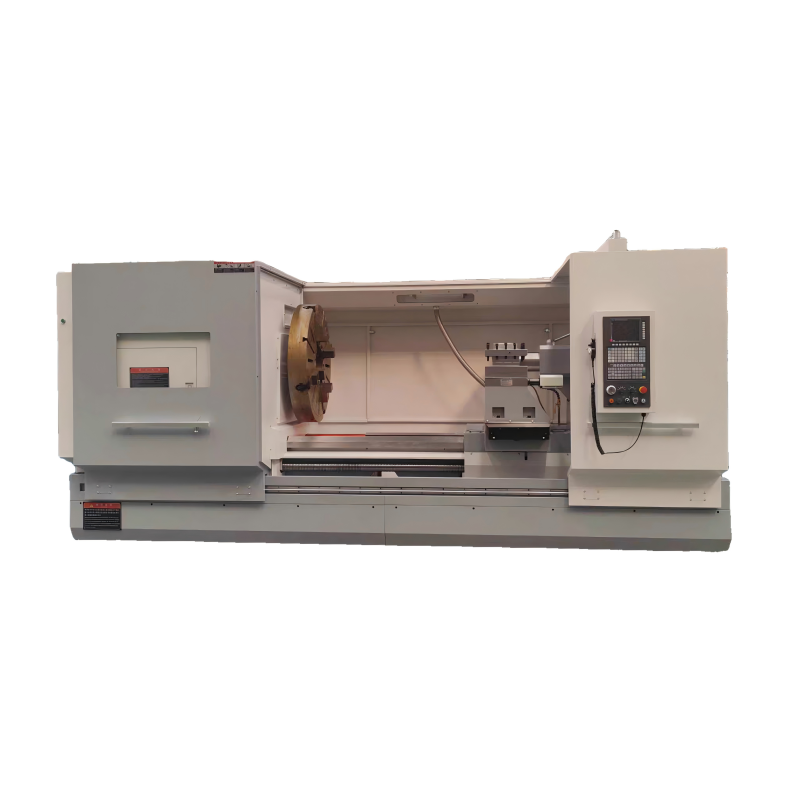
The conventional lathe, a machine that has been around for centuries, continues to play a vital role in modern workshops. Its ability to perform a wide range of operations, from turning and facing to threading and drilling, makes it an indispensable tool for many industries. When selecting a Conventional Lathe Supplier, it's essential to consider not just the quality of the machines but also the support and services provided by the supplier. This section will explore why conventional lathes remain relevant and how choosing the right supplier can significantly impact your workshop's productivity and efficiency.
Evaluating Key Factors When Selecting a Conventional Lathe Supplier
Choosing the correct Conventional Lathe Supplier involves assessing several critical factors. First, the reputation and experience of the supplier are crucial. A well-established supplier with a proven track record is more likely to provide reliable machines and excellent after-sales service. Second, the range of products offered should align with your specific needs. Whether you require a small benchtop lathe or a large industrial model, the supplier should be able to meet your requirements. Third, the availability of spare parts and maintenance services is another important consideration. Regular maintenance and quick access to replacement parts can minimize downtime and ensure the longevity of your equipment.
Technical Specifications and Customization Options
When evaluating a Conventional Lathe Supplier, it's essential to pay close attention to the technical specifications of the lathes they offer. Key specifications include the maximum swing, spindle speed, and bed length. These factors determine the types of workpieces the lathe can handle and the precision of the machining operations. Additionally, customization options can add significant value to your purchase. Some suppliers may offer customizations such as digital readouts, coolant systems, and specialized tool holders, which can enhance the functionality and versatility of the lathe. Understanding these technical aspects and customization possibilities will help you make an informed decision that best suits your workshop's needs.
Cost Considerations and Return on Investment
While the initial cost of a conventional lathe is a significant factor, it's equally important to consider the long-term return on investment (ROI). A high-quality lathe from a reputable Conventional Lathe Supplier may come with a higher upfront cost, but it can save you money in the long run through reduced maintenance costs, increased productivity, and longer machine life. It's also worth considering financing options and payment plans that some suppliers may offer, which can make the purchase more manageable. By carefully evaluating the total cost of ownership, including maintenance, repairs, and operational expenses, you can ensure that your investment in a conventional lathe is both cost-effective and beneficial for your workshop.
Conclusion: Making the Right Choice for Your Workshop
Selecting the right Conventional Lathe Supplier is a critical decision that can have a lasting impact on your workshop's performance. By considering factors such as the supplier's reputation, the range of products, technical specifications, customization options, and cost considerations, you can make an informed choice that aligns with your specific needs. A well-chosen lathe from a reliable supplier will not only enhance your workshop's capabilities but also contribute to its overall success and growth. Therefore, take the time to research and evaluate your options thoroughly to find the perfect conventional lathe supplier for your workshop.
 23/06/2026