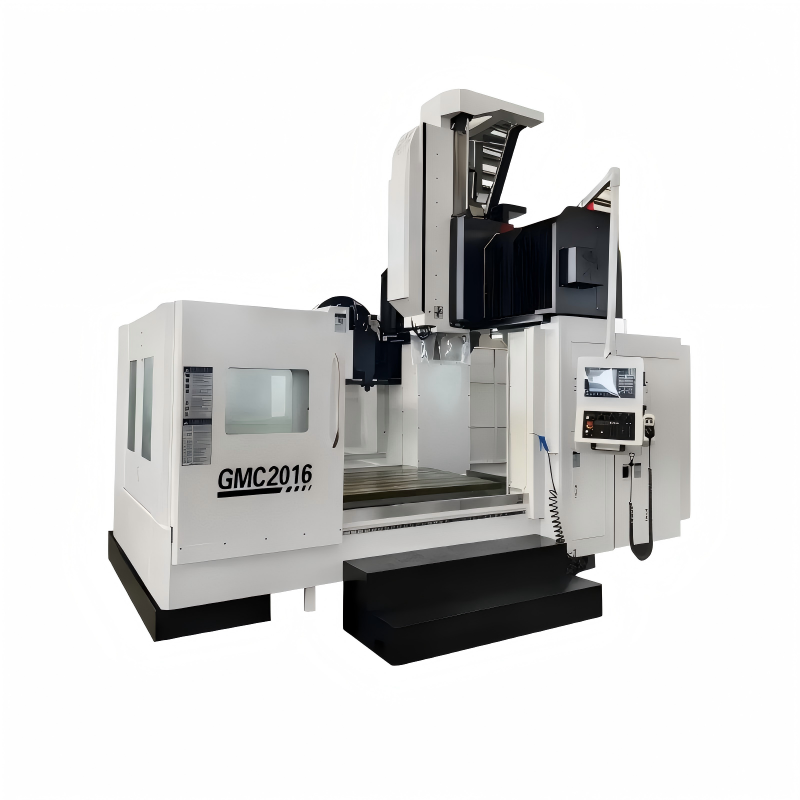
High Speed VMC (Vertical Machining Center) technologies are revolutionizing the landscape of modern manufacturing, offering unparalleled precision, efficiency, and productivity. This report delves into the transformative impact of High Speed VMC innovations, exploring their technical advancements, applications, and future prospects.
The heart of any High Speed VMC is its spindle, which plays a crucial role in determining the machine's performance. Recent innovations in spindle technology have significantly enhanced the capabilities of High Speed VMCs. Modern spindles are designed to operate at higher speeds, often exceeding 20,000 RPM, while maintaining exceptional accuracy and stability. This is achieved through the use of advanced materials, such as ceramic bearings, and sophisticated cooling systems that prevent overheating and ensure consistent performance.
Moreover, the integration of direct-drive spindles has eliminated the need for gearboxes, reducing maintenance requirements and increasing overall reliability. These advancements in spindle technology not only boost machining speed but also improve surface finish quality, making High Speed VMCs ideal for high-precision applications in industries such as aerospace, automotive, and medical devices.
Efficiency in modern manufacturing is not just about the speed of the machining process; it also involves minimizing downtime between operations. High Speed VMCs have addressed this challenge with the development of advanced tool changer systems. These systems are designed to quickly and accurately change tools, reducing the time required for setup and tool changes. Automated tool changers can handle multiple tools simultaneously, allowing for rapid transitions between different machining operations without manual intervention.
Furthermore, the use of smart tool management systems enables real-time monitoring of tool wear and condition, ensuring that tools are replaced or adjusted before they affect the quality of the machined parts. This predictive maintenance approach not only enhances the overall efficiency of the High Speed VMC but also extends the lifespan of the cutting tools, leading to cost savings and improved production throughput.
The control system is the brain of a High Speed VMC, responsible for coordinating all the machine's functions and ensuring precise and efficient operation. The latest High Speed VMCs feature advanced control systems that incorporate state-of-the-art software and hardware. These systems are capable of handling complex machining tasks with ease, thanks to their powerful processors and intuitive user interfaces.
One of the key features of these advanced control systems is the ability to perform real-time data analysis and adaptive control. This means that the machine can automatically adjust its parameters based on the feedback from sensors, ensuring optimal performance and minimizing errors. Additionally, the integration of artificial intelligence (AI) and machine learning (ML) algorithms allows for continuous improvement in the machining process, as the system learns from past operations and adapts to new challenges.
These advanced control systems also support the integration of Industry 4.0 technologies, such as the Internet of Things (IoT) and cloud computing. This enables seamless communication between the High Speed VMC and other manufacturing systems, facilitating better coordination and data sharing across the entire production line. As a result, manufacturers can achieve higher levels of automation, flexibility, and traceability, ultimately leading to more efficient and sustainable manufacturing processes.
The versatility of High Speed VMCs makes them suitable for a wide range of applications across various industries. In the aerospace sector, High Speed VMCs are used to manufacture critical components such as engine parts, landing gear, and structural components. The high precision and speed of these machines ensure that the parts meet the stringent quality and performance standards required in this industry.
In the automotive industry, High Speed VMCs play a vital role in the production of engine blocks, cylinder heads, and transmission components. The ability to machine these parts at high speeds and with excellent accuracy helps manufacturers to increase production rates and reduce costs. Additionally, the medical device industry benefits from High Speed VMCs in the production of surgical instruments, implants, and other precision components. The high-speed machining capabilities and tight tolerances of these machines are essential for producing medical devices that meet the highest standards of safety and performance.
Beyond these traditional manufacturing sectors, High Speed VMCs are also finding applications in emerging industries such as renewable energy and consumer electronics. For example, in the wind turbine industry, High Speed VMCs are used to machine large and complex components, such as rotor hubs and gearbox housings. In the consumer electronics industry, these machines are employed in the production of high-precision components for smartphones, laptops, and other electronic devices. The adaptability of High Speed VMCs to different materials and machining requirements makes them an indispensable tool in modern manufacturing.
As High Speed VMC technology continues to evolve, there are several exciting prospects and challenges on the horizon. One of the key areas of focus is the further integration of AI and ML to enhance the autonomy and intelligence of these machines. Future High Speed VMCs may be capable of fully autonomous operation, where the machine can plan, execute, and optimize the machining process with minimal human intervention. This would lead to even greater efficiency and productivity, as well as reduced labor costs.
Another area of development is the use of advanced materials and coatings to further improve the performance and durability of High Speed VMCs. For example, the use of nanomaterials and advanced composites could lead to lighter, stronger, and more durable machine components, resulting in longer machine life and lower maintenance costs. Additionally, the development of new cooling and lubrication technologies could further enhance the thermal management of High Speed VMCs, allowing for even higher speeds and longer continuous operation.
However, there are also challenges that need to be addressed. One of the main challenges is the need for skilled operators and engineers who can effectively utilize and maintain these advanced machines. As the complexity of High Speed VMCs increases, so does the need for specialized training and expertise. Manufacturers will need to invest in workforce development and training programs to ensure that their employees are equipped with the necessary skills to operate and maintain these machines.
Another challenge is the cost of implementing and maintaining High Speed VMC technology. While the long-term benefits in terms of productivity and efficiency are significant, the initial investment can be substantial. Manufacturers will need to carefully evaluate the return on investment and consider financing options to make the transition to High Speed VMCs more feasible. Additionally, the ongoing maintenance and upgrade costs must be factored into the overall cost of ownership.
In conclusion, High Speed VMC innovations are transforming modern manufacturing by providing unprecedented levels of precision, speed, and efficiency. The advancements in spindle technology, tool changer systems, and control systems, combined with the versatility of these machines, make them a valuable asset in a wide range of industries. As the technology continues to evolve, the future of High Speed VMCs looks promising, with the potential to further revolutionize the manufacturing landscape.
 23/06/2026
High-speed Vertical Machining Centers (VMC) represent a significant leap forward in the world of manufacturing, offering unprecedented levels of productivity and precision. This technology has been pivotal in transforming traditional machining processes,
Read More23/06/2026In the ever-evolving landscape of manufacturing, the introduction and continuous improvement of High Speed VMC (Vertical Machining Centers) have been pivotal in transforming the efficiency and precision of machining processes. This report delves into the
Read More23/06/2026High Speed VMC, or High Speed Vertical Machining Center, represents a significant leap in the evolution of manufacturing technology. This advancement not only improves upon the traditional vertical machining center but also sets new standards for precisio
Read MoreOur professional sales team is always ready to assist you.