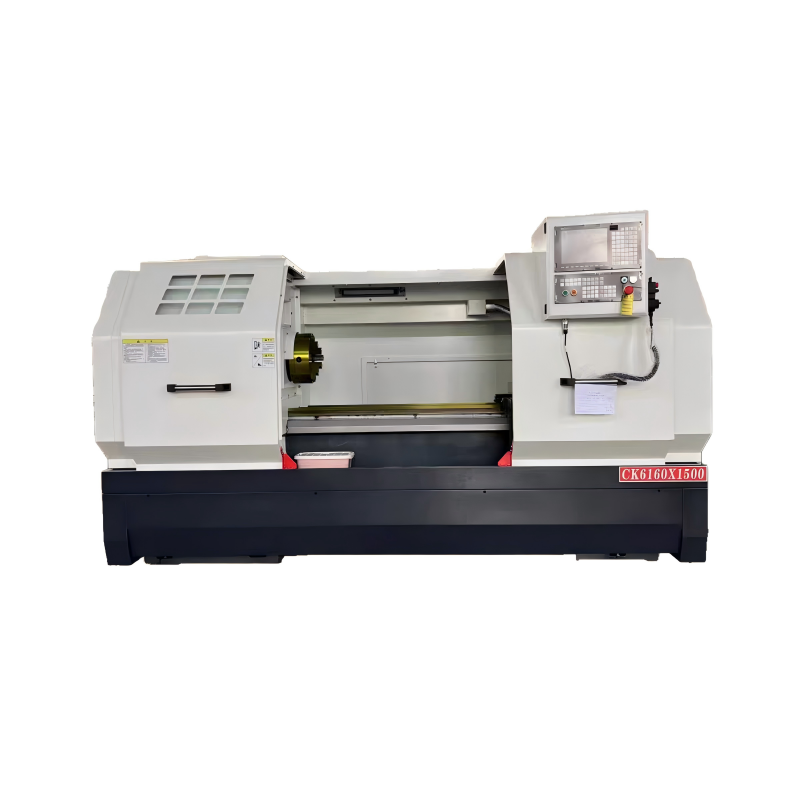
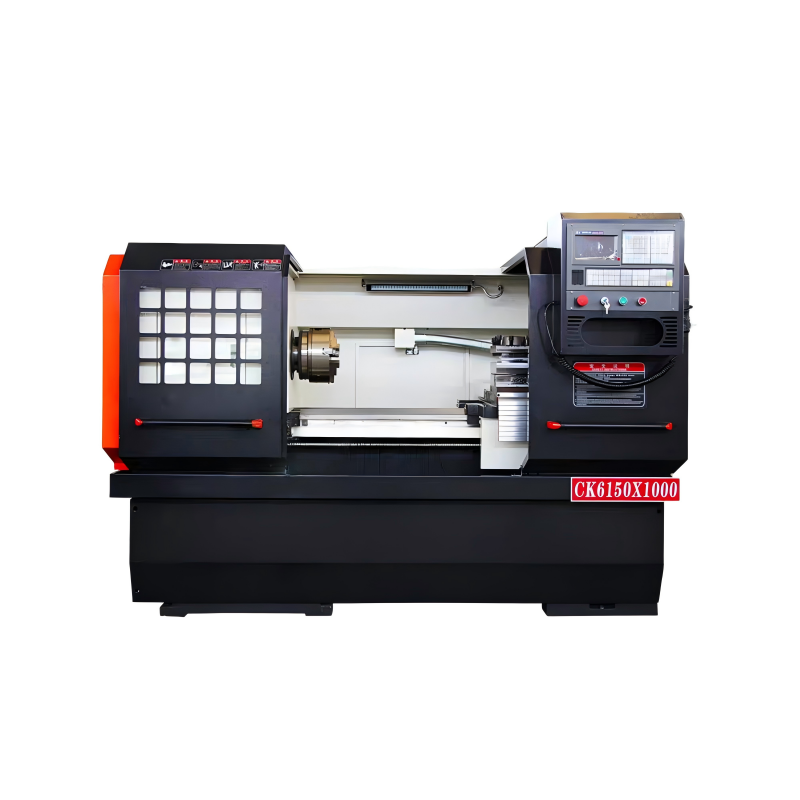
In the realm of precision engineering, the Vertical Machining Center (VMC) stands out as a versatile and indispensable tool. A key component contributing to its accuracy and efficiency is the linear guideway. This section delves into how linear guideways enhance the overall performance of VMCs, focusing on their design, materials, and application within these machines.
Linear guideways, also known as linear guides or linear slides, are mechanical elements that provide support and guidance for linear motion. In a VMC, they play a critical role by enabling smooth, precise, and repeatable movements along the X, Y, and Z axes. The core function of a linear guideway is to convert rotary motion from the motor into linear motion, which is essential for the cutting process in machining operations.
One of the most significant benefits of using linear guideways in VMCs is the enhancement of precision and accuracy. These components are designed to minimize friction and wear, ensuring that the machine's moving parts maintain consistent alignment and positioning. This is particularly important in high-precision applications where even the slightest deviation can result in suboptimal part quality.
Linear guideways achieve this through their advanced designs, which often include ball or roller bearings. These bearings distribute the load evenly and reduce the contact area between the moving and stationary parts, thereby minimizing friction. Additionally, the use of high-quality materials, such as hardened steel or stainless steel, further enhances the durability and reliability of the guideways.
Another factor contributing to the precision of linear guideways is their ability to handle dynamic loads. In VMCs, the cutting forces can vary significantly, and the guideways must be able to withstand these changes without compromising the accuracy of the machine. Advanced linear guideways are engineered to absorb vibrations and dampen oscillations, ensuring that the tool remains stable and accurate throughout the machining process.
Beyond precision and accuracy, linear guideways also play a crucial role in improving the productivity and efficiency of VMCs. One of the primary ways they do this is by reducing the time required for setup and maintenance. Modern linear guideways are designed with self-lubricating features, which means they require less frequent lubrication and maintenance compared to traditional systems. This not only saves time but also reduces the risk of downtime due to maintenance issues.
Additionally, the smooth and low-friction operation of linear guideways allows for faster traverse speeds and higher feed rates. This is particularly beneficial in high-volume production environments where speed and throughput are critical. By enabling the VMC to move more quickly and efficiently, linear guideways help to increase the overall productivity of the machine.
Furthermore, the compact and modular design of linear guideways makes them easy to integrate into existing VMC setups. This flexibility allows manufacturers to upgrade their machines without significant modifications, thereby extending the lifespan and capabilities of their equipment. The ease of integration also facilitates the adoption of new technologies and processes, such as automation and Industry 4.0 solutions, which can further enhance the efficiency and competitiveness of manufacturing operations.
The durability and reliability of linear guideways are key factors in their widespread adoption in VMCs. These components are built to last, with robust designs and high-quality materials that ensure long-term performance. The use of hardened steel and other wear-resistant materials helps to extend the lifespan of the guideways, reducing the need for frequent replacements and lowering the overall cost of ownership.
Moreover, the design of linear guideways includes features that protect against environmental factors such as dust, debris, and contaminants. Sealed and shielded versions are available, which prevent the ingress of particles that could otherwise cause damage or degradation over time. This is especially important in industrial settings where the operating conditions can be harsh and challenging.
Regular maintenance, while minimal, is still necessary to ensure the optimal performance of linear guideways. However, the self-lubricating properties and wear-resistant materials used in modern guideways make this task much simpler and less frequent. By following the manufacturer's recommendations for maintenance and inspection, operators can ensure that their VMCs continue to operate at peak efficiency and accuracy for years to come.
In conclusion, linear guideways are a vital component in the design and operation of Vertical Machining Centers. They contribute significantly to the precision, accuracy, productivity, and longevity of these machines. As technology continues to advance, the development of even more advanced linear guideway systems will further enhance the capabilities of VMCs, enabling manufacturers to meet the increasing demands of modern industry.
By investing in high-quality linear guideways, manufacturers can ensure that their VMCs deliver consistent, reliable, and efficient performance, ultimately leading to higher quality products and greater operational efficiency. As the manufacturing landscape evolves, the role of linear guideways in VMCs will remain a cornerstone of precision engineering, driving innovation and excellence in the field.
 23/06/2026
Linear guideways play a crucial role in the precision and performance of Vertical Machining Centers (VMCs). As manufacturing industries continue to demand higher accuracy, faster processing speeds, and longer machine life, the enhancements made to linear
Read More23/06/2026In the realm of modern manufacturing, precision and efficiency are paramount. One technology that significantly contributes to achieving these goals is the Vertical Machining Center (VMC) equipped with linear guideways. This report delves into how VMCs, p
Read More23/06/2026The evolution of manufacturing technologies has led to significant improvements in the efficiency, precision, and durability of machining processes. One such advancement is the integration of linear guideways into Vertical Machining Centers (VMCs). This t
Read MoreOur professional sales team is always ready to assist you.