Choosing the right Conventional lathe for long shaft production is a critical decision that can significantly impact the quality, efficiency, and cost-effectiveness of your manufacturing process. This technical report aims to guide you through the essential considerations when selecting a conventional lathe, focusing on the specific requirements for machining long shafts. By understanding the key factors and following the recommendations provided, you will be better equipped to make an informed choice that meets your production needs.
Understanding the Requirements for Long Shaft Machining
Before delving into the selection process, it is crucial to have a clear understanding of the specific requirements for long shaft machining. Long shafts, typically used in applications such as drive shafts, propeller shafts, and other industrial components, often require high precision, smooth finishes, and consistent dimensional accuracy. The conventional lathe for long shaft must be capable of handling these demands effectively. Key considerations include the length of the shaft, the material being machined, and the desired surface finish. Additionally, the machine's ability to maintain stability and accuracy over extended periods is vital for ensuring consistent quality.
Evaluating the Machine Specifications
Once the requirements are well-defined, the next step is to evaluate the specifications of potential conventional lathes. The following are some ofcore specifications to consider:
- Swing Over Bed and Cross Slide: The swing over bed and cross slide determine the maximum diameter of the workpiece that can be accommodated. For long shafts, it is essential to ensure that the lathe can handle the full length and diameter of the part.
- Spindle Bore and Bar Capacity: The spindle bore and bar capacity are critical for through-boring operations. A larger spindle bore allows for the machining of longer and thicker bars, which is often necessary for long shaft production.
- Bed Length and Rigidity: The bed length should be sufficient to support the entire length of the long shaft. Additionally, the rigidity of the bed is crucial for maintaining stability during the machining process, especially when dealing with heavy or long workpieces.
- Feed Rates and Speeds: The feed rates and speeds of the lathe should be adjustable to accommodate different materials and machining operations. High-speed machining can improve productivity, but it must be balanced with the need for precision and surface finish.
- Tooling and Accessories: The availability of appropriate tooling and accessories, such as steady rests, centers, and chucks, is essential for supporting and securing the long shaft during machining. These components help to minimize vibrations and ensure accurate and repeatable results.
Assessing the Machine's Performance and Reliability
Beyond the basic specifications, it is equally important to assess the performance and reliability of the conventional lathe. Here are some key factors to consider:
- Accuracy and Repeatability: The lathe should be capable of achieving and maintaining high levels of accuracy and repeatability. This is particularly important for long shafts, where even small deviations can lead to significant quality issues. Look for machines with robust feedback systems and precise control mechanisms.
- Vibration and Noise Levels: Excessive vibration and noise can indicate poor machine design or wear and tear. A well-designed conventional lathe for long shaft should operate smoothly and quietly, minimizing the risk of chatter and other machining defects. Consider the use of vibration-damping materials and features such as dynamic balancing.
- Maintenance and Support: Regular maintenance is essential for keeping the lathe in optimal condition. Choose a manufacturer that provides comprehensive support, including training, spare parts, and service. A reliable after-sales service network can help minimize downtime and ensure that the machine remains productive over its lifespan.
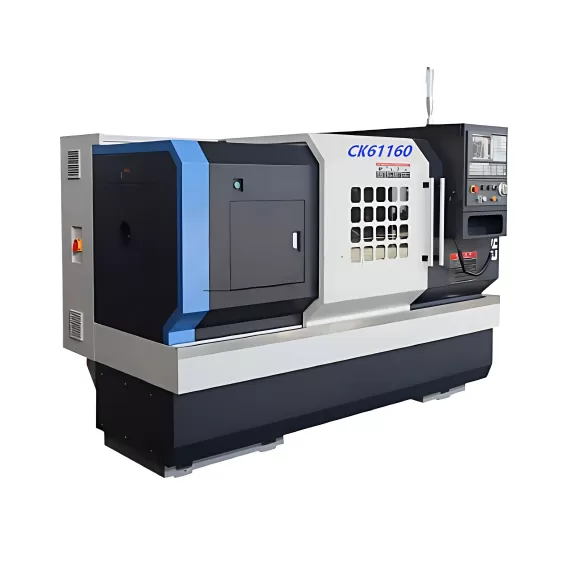
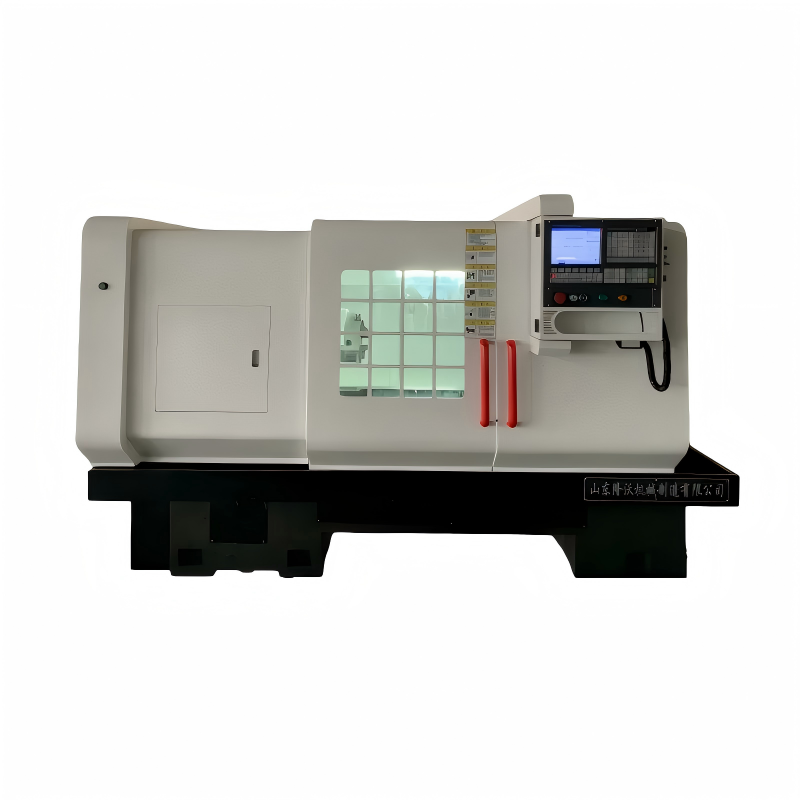
- Automation and Integration: While conventional lathes are manually operated, some models offer advanced features such as CNC (Computer Numerical Control) integration. These features can enhance productivity and reduce the risk of human error. Consider whether your production process would benefit from such automation and, if so, ensure that the lathe is compatible with your existing systems.
Conclusion
Selecting the right conventional lathe for long shaft production requires a thorough understanding of your specific requirements and a careful evaluation of the machine's specifications, performance, and reliability. By considering the factors outlined in this report, you can make an informed decision that will enhance the quality and efficiency of your manufacturing process. Remember that the right conventional lathe for long shaft is not just a tool; it is an investment in the future of your business.

 23/06/2026