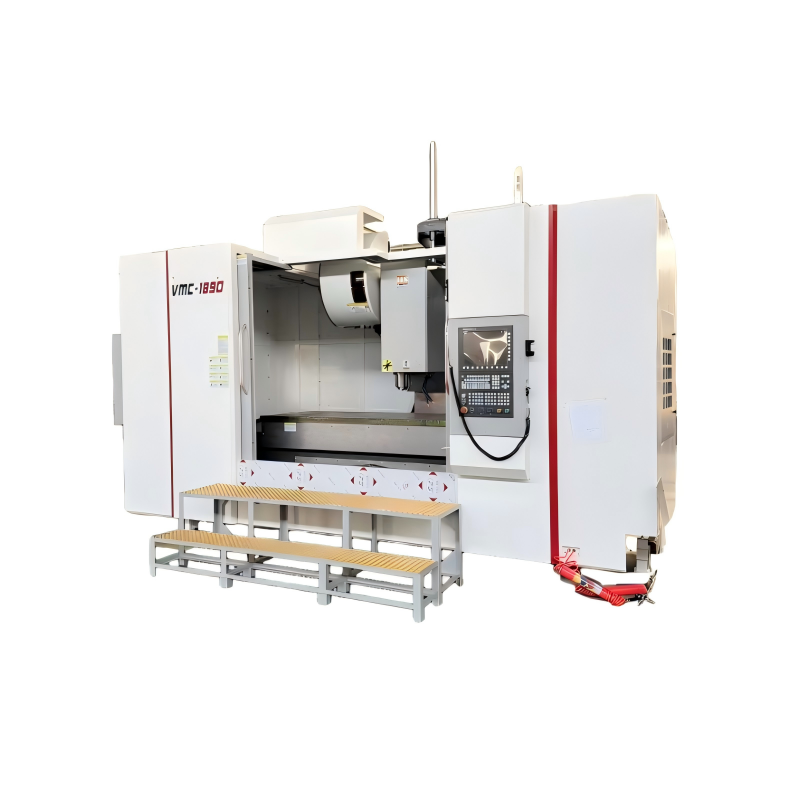
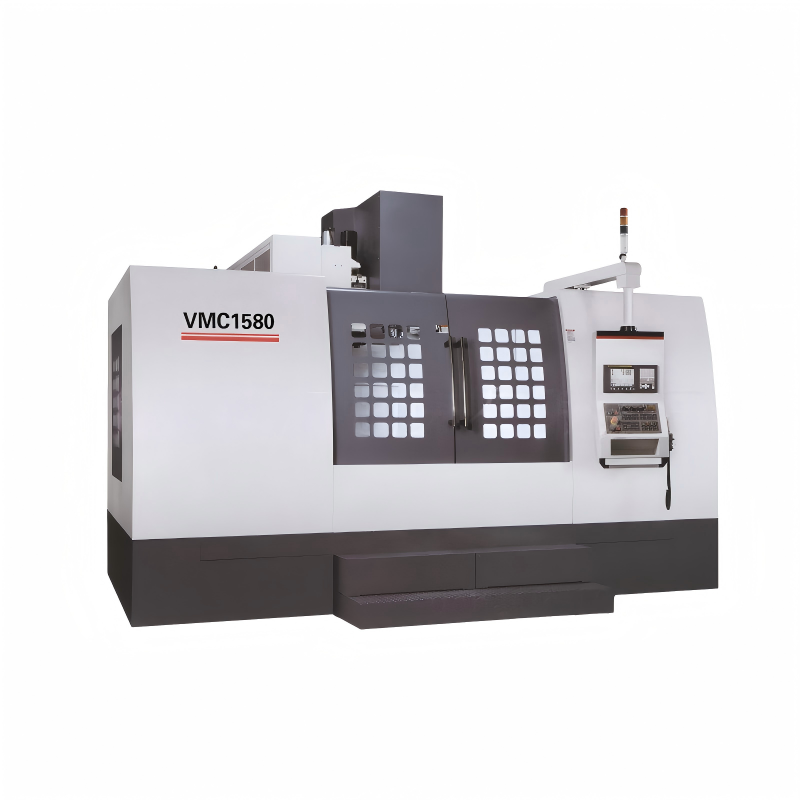
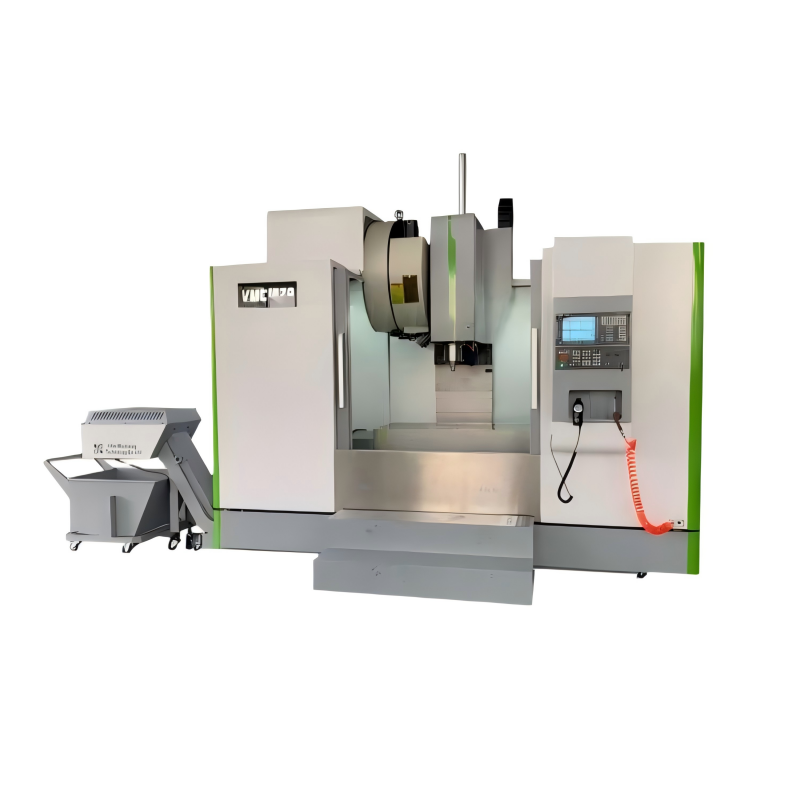
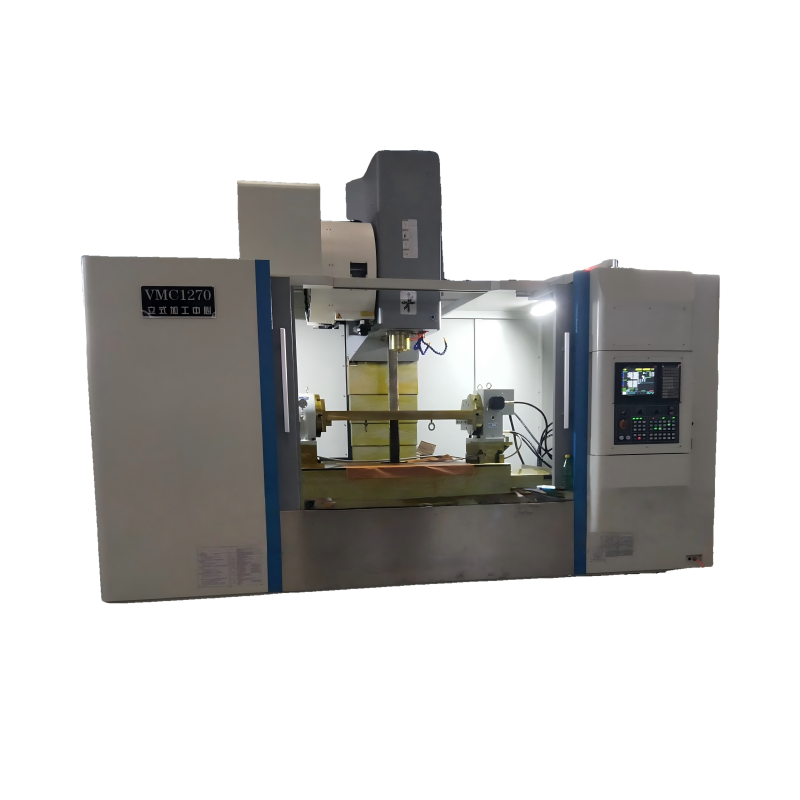
Vertical Machining Centers (VMCs) represent a significant advancement in the field of manufacturing, offering precision, efficiency, and versatility. This technical report explores the key features and benefits that make VMCs indispensable for modern industrial applications. By examining the latest advancements in VMC technology, we aim to provide a comprehensive understanding of how these machines can enhance productivity, reduce operational costs, and improve product quality. Through an in-depth analysis, this document will highlight the unique capabilities of VMCs, their adaptability to various materials and processes, as well as the integration of advanced software and automation solutions.
One of the most significant advantages of using a Vertical Machining Center is the high level of precision and accuracy it offers. Modern VMCs are equipped with advanced control systems that allow for micro-level adjustments, ensuring that every cut and drill is executed with pinpoint accuracy. These control systems often feature sophisticated algorithms that optimize tool paths, minimize vibration, and maintain consistent cutting speeds. As a result, manufacturers can achieve extremely tight tolerances, which is crucial for industries such as aerospace, automotive, and medical devices where precision is paramount.
To further enhance precision, VMCs incorporate high-resolution feedback sensors that continuously monitor the position and movement of the machine's components. These sensors provide real-time data, allowing the control system to make instantaneous corrections if any deviations occur. The use of such sensors ensures that the machining process remains stable and accurate, even during long, complex operations. This level of precision not only improves the quality of the final product but also reduces the need for post-processing, thereby saving time and resources.
Vertical Machining Centers are designed to maximize productivity through the integration of automated tool changers. These systems allow for rapid and seamless switching between different tools, eliminating the need for manual intervention. Automated tool changers can store a large number of tools, enabling the VMC to perform a wide range of operations without stopping. This capability significantly reduces setup times and allows for continuous, uninterrupted production. Additionally, the ability to switch tools quickly and accurately ensures that the machining process remains efficient, even when working with multiple parts or complex geometries.
Another key feature that contributes to the increased productivity of VMCs is the use of high-speed spindles. These spindles are capable of operating at very high rotational speeds, allowing for faster material removal rates and shorter cycle times. High-speed spindles are particularly beneficial when working with hard materials or when performing high-precision finishing operations. The combination of high-speed spindles and automated tool changers results in a highly efficient machining process, enabling manufacturers to produce more parts in less time while maintaining high quality standards.
Modern Vertical Machining Centers are designed to be highly versatile, with many models featuring multi-axis capabilities. These additional axes allow the VMC to perform a wide range of operations, including milling, drilling, tapping, and contouring, all within a single setup. Multi-axis VMCs can handle complex geometries and intricate part designs, making them ideal for industries that require high levels of customization and precision. The ability to perform multiple operations on a single machine reduces the need for secondary setups, streamlining the overall production process and improving efficiency.
One of the key benefits of VMCs is their ability to work with a wide range of materials, from soft metals like aluminum to harder materials such as steel, titanium, and even composites. This versatility is achieved through the use of specialized cutting tools and advanced machining techniques. For example, VMCs can be equipped with diamond-coated tools for machining non-ferrous materials, or carbide tools for working with harder metals. The flexibility to work with different materials makes VMCs a valuable asset in a variety of industries, including automotive, aerospace, and electronics, where the demand for diverse and high-quality components is constant.
 04/06/2026
In the realm of modern manufacturing, the Vertical Machining Center (VMC) stands out as a pinnacle of engineering, offering unparalleled precision and efficiency. This technical report delves into the core strengths of VMCs, exploring how they have become
Read More04/06/2026A Vertical Machining Center (VMC) is a versatile and powerful tool in the manufacturing industry, capable of performing a wide range of operations with high precision and efficiency. This technical report aims to explore how to unlock the full potential o
Read More04/06/2026In the realm of manufacturing, Vertical Machining Centers (VMCs) play a crucial role in producing high-precision components efficiently. However, optimizing tool paths to reduce cycle time is a complex task that requires a deep understanding of both the m
Read More04/06/2026As the manufacturing industry continues to evolve, upgrading to a next-generation Vertical Machining Center (VMC) is becoming increasingly necessary for businesses aiming to stay competitive. This transition, however, comes with its own set of challenges
Read More04/06/2026Vertical Machining Centers (VMCs) have become a cornerstone in modern manufacturing, offering unparalleled precision and efficiency. This report delves into how state-of-the-art VMCs are revolutionizing production processes across various industries. By e
Read More04/06/2026Maintaining a Vertical Machining Center (VMC) is crucial for ensuring its longevity and reliability. A well-maintained VMC not only enhances the machine's performance but also reduces downtime, increases productivity, and extends the overall lifespan of t
Read More04/06/2026When considering an investment in a new Vertical Machining Center, it is crucial to evaluate the key features that will ensure optimal performance, efficiency, and longevity. This technical report aims to provide a comprehensive guide on the essential cha
Read More04/06/2026Vertical Machining Centers (VMCs) have become indispensable tools in the modern manufacturing landscape, offering unparalleled versatility across a wide range of industries. These machines are designed to perform a variety of machining operations with hig
Read More04/06/2026A high-performance vertical machining center is an essential tool in modern manufacturing, capable of significantly enhancing productivity through its precision, versatility, and efficiency. This article delves into the strategies and best practices for m
Read More04/06/2026A Comprehensive Guide to Selecting the Right Vertical Machining Center for Your Needs is designed to provide a detailed and practical approach to choosing the most suitable vertical machining center (VMC) for your specific manufacturing requirements. This
Read More04/06/2026In the realm of modern manufacturing, the Vertical Machining Center (VMC) stands as a pivotal tool for precision and efficiency. This technical report delves into the transformative impact of advanced technology on VMCs, exploring how innovations in autom
Read More04/06/2026A Vertical Machining Center (VMC) is a critical piece of equipment in precision manufacturing, offering unparalleled accuracy and efficiency. This report explores the potential of VMCs in modern manufacturing environments, focusing on their capabilities,
Read More04/06/2026The advancements in manufacturing technology have been rapid, and one of the key players in this evolution is the Vertical Machining Center. This piece of machinery has become indispensable for industries that require high precision and efficiency. In thi
Read More03/06/2026The Evolution of Vertical Machining CentersVertical Machining Centers (VMCs) have become an indispensable part of modern manufacturing, particularly in the realm of precision engineering. Over the years, these machines have evolved from simple drilling an
Read More02/06/2026In the realm of modern manufacturing, the introduction and utilization of advanced machinery have revolutionized production processes. Among these, the Vertical Machining Center (VMC) stands out as a pivotal tool, offering unparalleled precision, efficien
Read More02/06/2026When it comes to precision machining, the choice between a Vertical Machining Center (VMC) and a Horizontal Machining Center (HMC) is critical. Both types of machines offer distinct advantages and are suited for different applications. This technical repo
Read More02/06/2026A Vertical Machining Center (VMC) is a type of CNC machine that plays a crucial role in the manufacturing industry, particularly for its versatility and precision. This technical report aims to provide valuable insights and practical tips for enhancing th
Read More02/06/2026Vertical Machining Centers (VMCs) have been a cornerstone of the manufacturing industry for decades, providing precision and efficiency in the production of complex parts. As technology advances, so too do the capabilities and potential of VMCs. This repo
Read More02/06/2026A vertical machining center (VMC) is a crucial piece of equipment in the manufacturing industry, especially for producing complex parts. The capabilities of a VMC can significantly impact the quality and efficiency of production. In this report, we will e
Read More02/06/2026IntroductionThe vertical machining center (VMC) is a fundamental piece of equipment in modern manufacturing, renowned for its precision, versatility, and efficiency. As with any sophisticated machinery, the maintenance of a VMC is crucial to ensure optima
Read More02/06/2026The evolution of manufacturing technologies, particularly in the domain of machining, has been marked by significant advancements that have not only transformed the way products are made but also enhanced productivity and precision. Among these, the verti
Read More02/06/2026Understanding the Basics of a Vertical Machining CenterA Vertical Machining Center (VMC) is a type of machine tool that is designed to perform multiple operations such as drilling, milling, and tapping on a workpiece. The primary characteristic of a VMC i
Read More02/06/2026Understanding the Capabilities of a Vertical Machining CenterA Vertical Machining Center (VMC) is an essential piece of equipment in modern manufacturing, capable of performing a wide range of machining operations with high precision and efficiency. This
Read More02/06/2026Vertical Machining Centers (VMCs) play a crucial role in the manufacturing of aerospace components, where precision is not just a preference but an absolute necessity. The high standards set by the aerospace industry demand that every part, no matter how
Read More02/06/2026A Vertical Machining Center (VMC) is a versatile piece of equipment that has become indispensable in the modern manufacturing landscape. This article explores how VMCs are transforming production processes, offering unparalleled flexibility and precision.
Read More09/05/2026System-Level Thermal Management AnalysisOptimizing coolant delivery in a Vertical Machining Center is not merely a matter of increasing flow rate or pressure—it demands a holistic, system-level thermal management strategy grounded in empirical data and ma
Read More08/05/2026Engineering Constraints and Design Compromises in Heavy-Duty Vertical Machining Center ApplicationsThe increasing demand for high-precision, large-part machining in aerospace, energy, and heavy machinery sectors has intensified scrutiny of structural trad
Read More07/05/2026Evolution of Control Architecture in Modern Vertical Machining Center SystemsThe Vertical Machining Center (VMC) has long served as the backbone of high-precision discrete-part manufacturing—particularly in aerospace, medical device, and mold-and-die sect
Read More06/05/2026Engineering Evolution: From Thermal Constraints to Dynamic StabilityThe Vertical Machining Center (VMC) has long served as the backbone of precision metalworking in aerospace, die-mold, and high-value component manufacturing. However, achieving 20,000 RPM
Read More05/05/2026Operational Efficiency and Setup Dynamics in Small-Batch EnvironmentsIn small-batch job shops—characterized by frequent part changes, low-volume production runs, and high-mix part families—the selection of machine tool architecture directly impacts throug
Read More04/05/2026Operational Efficiency Benchmarking and Quantitative ValidationModern high-precision manufacturing environments face escalating pressure to maximize spindle utilization while maintaining part quality consistency. A critical bottleneck historically resides
Read More03/05/2026Thermal Deformation as the Primary Constraint in Ultra-Precision Mold CavitiesIn micron-level mold making—where dimensional tolerances routinely fall within ±1.5 µm and surface finish requirements demand Ra < 0.05 µm—the performance envelope of the machin
Read More02/05/2026Strategic Deployment Framework for Vertical Machining Center in Cyber-Physical Production NetworksThe integration of a Vertical Machining Center into next-generation smart factory automation systems demands more than plug-and-play connectivity—it requires
Read More01/05/2026Operational Integration and System-Level Impact AnalysisThe Vertical Machining Center (VMC) has evolved from a standalone metal removal platform into a mission-critical node within integrated automotive manufacturing ecosystems. In high-volume production
Read More30/04/2026Engineering Rigor: The Non-Negotiable Role of Geometric Stability in Aerospace MillingIn the aerospace manufacturing domain, where dimensional tolerances routinely fall within ±2.5 µm and surface finish requirements demand Ra < 0.4 µm, process stability i
Read MoreOur professional sales team is always ready to assist you.