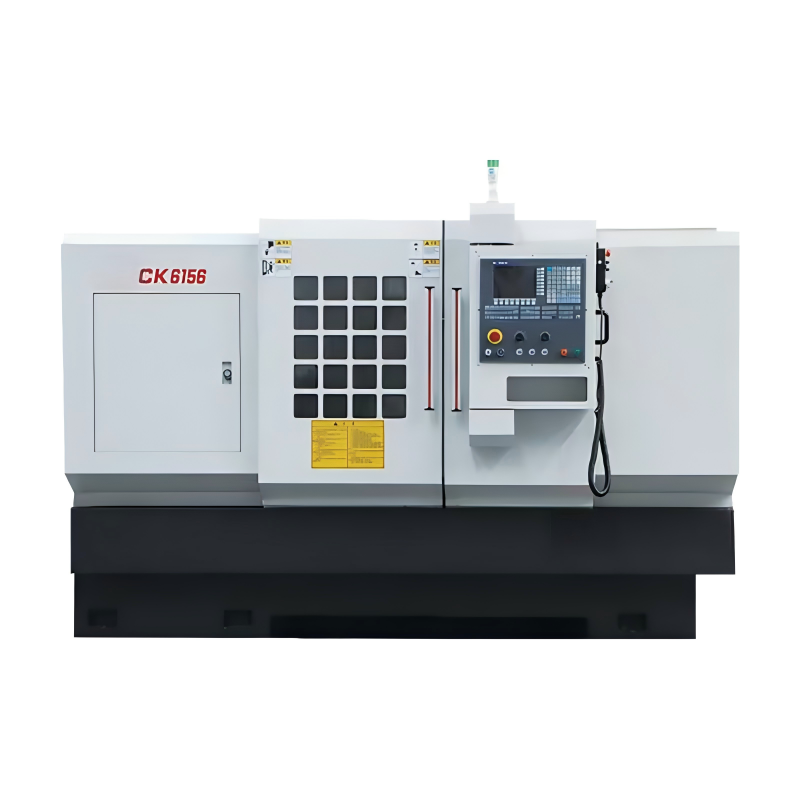
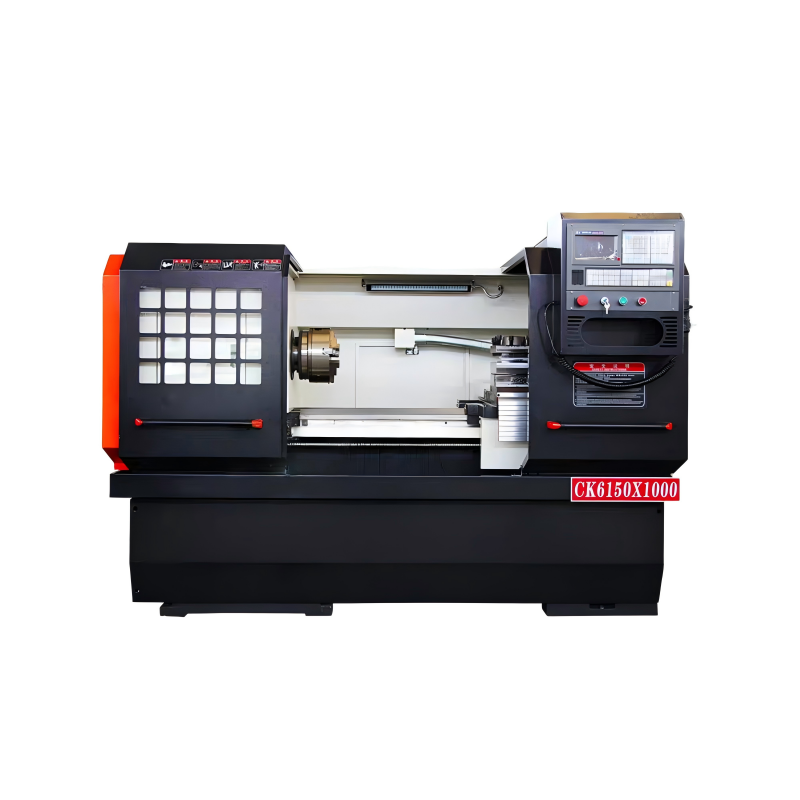
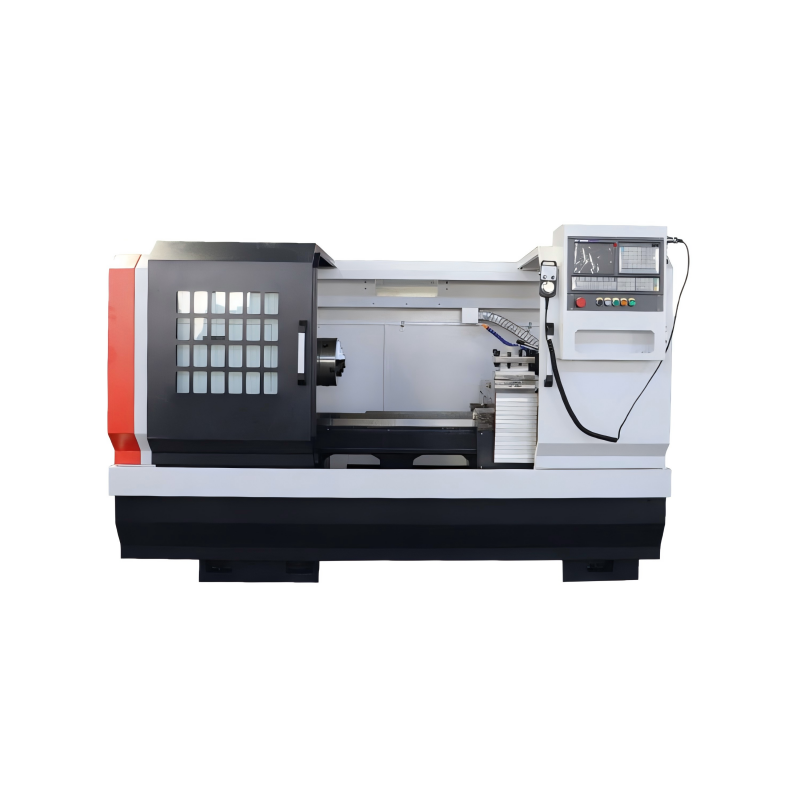
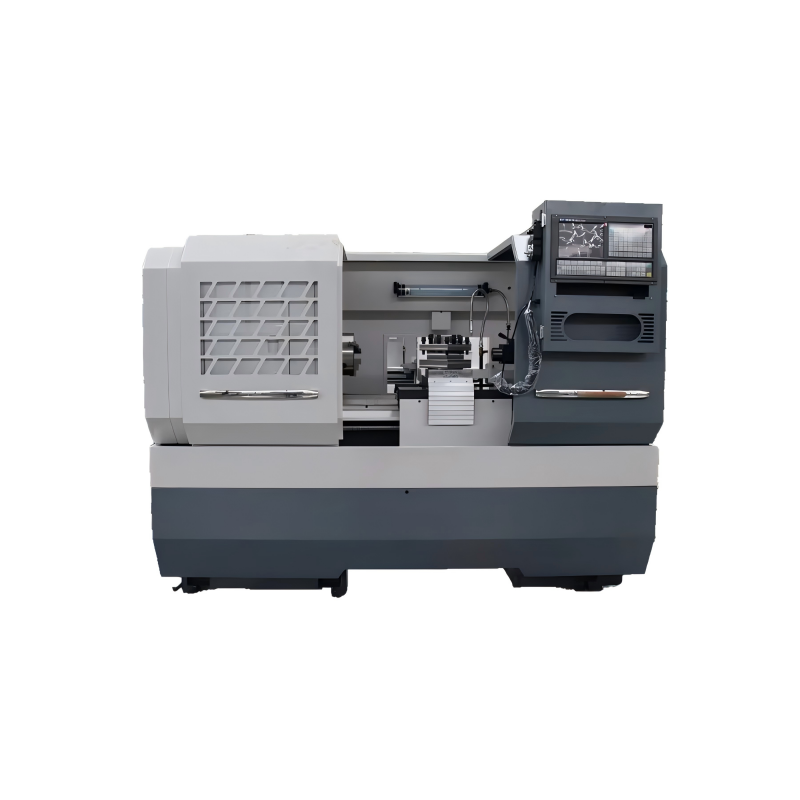
In the realm of modern manufacturing, the advancements in technology have led to significant improvements in machining processes. One such advancement is the high precision Flat Bed CNC Lathe, a device that stands out for its ability to produce components with exceptional accuracy and efficiency. This report delves into the current state and future potential of this machinery, exploring how it impacts various industries, enhances productivity, and sets new standards in machining.
The integration of automation technologies in the high precision flat bed CNC lathe represents a pivotal shift towards more efficient production lines. These lathes are equipped with advanced control systems that can perform complex operations with minimal human intervention. By automating tasks like tool changes, workpiece loading, and unloading, these machines significantly reduce cycle times, thereby increasing overall productivity. Furthermore, the use of computer-aided design (CAD) and computer-aided manufacturing (CAM) software allows for seamless programming and optimization of the machining process, ensuring that every operation is carried out with maximum efficiency.
Automation not only speeds up the production process but also reduces the likelihood of errors, as many of the manual steps prone to human mistakes are eliminated. The result is a more consistent output quality, which is crucial for industries where precision and reliability are paramount, such as aerospace, automotive, and medical device manufacturing.
One of the most significant advantages of the high precision flat bed CNC Lathe is its ability to achieve unparalleled accuracy and consistency. These machines are designed with high-resolution encoders and servo motors, which enable them to make extremely precise cuts and movements. The flat bed design provides a stable platform, minimizing vibrations and ensuring that the workpiece remains in a fixed position throughout the machining process. This stability is essential for achieving tight tolerances, often within microns, which is critical for parts used in high-performance applications.
Moreover, the use of advanced materials and coatings on cutting tools further enhances the machine's performance. These materials are engineered to withstand high temperatures and wear, allowing for longer tool life and more consistent results. The combination of these factors—high-precision mechanics, advanced controls, and durable tooling—results in a machine that can deliver highly accurate and repeatable outcomes, even in large-scale production runs.
The High precision flat bed CNC lathe is not limited to a single type of application; instead, it offers remarkable flexibility and adaptability across a wide range of industries. Its versatility stems from its ability to handle a variety of materials, including metals, plastics, and composites, and to perform a broad spectrum of operations, such as turning, drilling, milling, and threading. This makes it an ideal solution for manufacturers who need to produce a diverse array of components.
For example, in the automotive industry, these lathes can be used to manufacture engine components, transmission parts, and other critical elements that require high precision. In the medical field, they are invaluable for producing surgical instruments and implants, where accuracy and surface finish are of utmost importance. Additionally, the aerospace sector benefits from the high precision flat bed CNC lathe's capability to create intricate and lightweight parts, which are essential for aircraft and spacecraft.
The adaptability of these machines is further enhanced by their modular design, which allows for easy reconfiguration and upgrading. This means that as new technologies and requirements emerge, the high precision flat bed CNC lathe can be adapted to meet those needs, ensuring that it remains a relevant and valuable asset in the manufacturing landscape.
Beyond the technical advantages, the high precision flat bed CNC lathe also offers significant environmental and economic benefits. From an environmental perspective, these machines are designed to minimize waste and energy consumption. The precise control over the machining process reduces material waste, as parts are cut to exact specifications, leaving little excess. Additionally, the efficient use of power and the long lifespan of the machine contribute to a lower carbon footprint compared to traditional machining methods.
Economically, the high precision flat bed CNC lathe provides cost savings through several avenues. The increased productivity and reduced downtime lead to higher throughput, which translates to greater revenue. The extended tool life and reduced material waste also lower operational costs. Moreover, the ability to produce high-quality parts consistently reduces the need for rework and scrap, further enhancing profitability. For businesses looking to stay competitive in a global market, investing in a high precision flat bed CNC lathe can be a strategic move that pays off in both the short and long term.
As technology continues to evolve, the high precision flat bed CNC lathe is expected to see further advancements that will enhance its capabilities and expand its applications. One area of development is the integration of artificial intelligence (AI) and machine learning (ML) algorithms. These technologies can optimize the machining process in real-time, adjusting parameters based on feedback from sensors and predictive analytics. This will not only improve the accuracy and efficiency of the machine but also enable predictive maintenance, reducing downtime and extending the machine's lifespan.
Another trend is the adoption of Industry 4.0 principles, which involve the use of the Internet of Things (IoT) and cloud computing. By connecting the high precision flat bed CNC lathe to a network, manufacturers can monitor and control the machine remotely, gather data for analysis, and integrate it into larger smart factory ecosystems. This connectivity will facilitate better decision-making, streamline supply chains, and enable more flexible and responsive manufacturing processes.
Additionally, the development of new materials and coatings for cutting tools, as well as advancements in cooling and lubrication systems, will further enhance the performance and durability of the high precision flat bed CNC lathe. These innovations will ensure that the machine remains at the forefront of machining technology, capable of meeting the demands of future manufacturing challenges.
In conclusion, the high precision flat bed CNC lathe is a transformative technology that is reshaping the landscape of modern manufacturing. Its ability to enhance productivity, achieve unparalleled accuracy, and adapt to diverse applications, coupled with its environmental and economic benefits, makes it an indispensable tool for industries seeking to stay competitive. As technology continues to advance, the future of machining with the high precision flat bed CNC lathe looks promising, with ongoing innovations set to further elevate its capabilities and impact.
 03/06/2026
A high precision flat bed CNC lathe plays an indispensable role in the realm of modern engineering, offering unparalleled accuracy and efficiency in manufacturing processes. This report delves into the significance of such machinery, highlighting its appl
Read More03/06/2026In today’s competitive manufacturing landscape, the investment in advanced machinery is not just a choice but a necessity for businesses aiming to stay ahead. One such critical piece of equipment that has been gaining significant traction is the high prec
Read More03/06/2026In the realm of precision machining, a high precision flat bed CNC lathe stands out as an indispensable tool for achieving superior accuracy in manufacturing processes. This technical report delves into the intricacies of how a high precision flat bed CNC
Read More03/06/2026Introduction to High Precision Flat Bed CNC LathesThe high precision flat bed CNC lathe stands out as a pivotal piece of machinery in the modern manufacturing industry, offering unparalleled accuracy and efficiency. This article aims to provide an in-dept
Read More03/06/2026The adoption of high precision flat bed CNC lathes in modern industrial manufacturing has significantly transformed the landscape, offering unparalleled accuracy and efficiency. This report delves into the specific benefits of using a high precision flat
Read More03/06/2026In the ever-evolving landscape of manufacturing, precision and efficiency are paramount. One of the key technologies that can significantly enhance both is the high precision flat bed CNC lathe. This article delves into how a high precision flat bed CNC l
Read More03/06/2026The high precision flat bed CNC lathe represents a significant advancement in the field of machining, offering unparalleled accuracy and efficiency. This report explores the capabilities of this sophisticated piece of equipment, delving into its key featu
Read More03/06/2026Introduction to High Precision Flat Bed CNC Lathes In the realm of modern manufacturing, the quest for precision and efficiency is paramount. The high precision flat bed CNC lathe stands out as a pivotal tool in achieving these goals. This type of machine
Read More03/06/2026The evolution of manufacturing processes has been significantly influenced by advancements in technology, with high precision flat bed CNC lathes standing out as a critical component. These machines represent the pinnacle of engineering accuracy and effic
Read More03/06/2026In the realm of modern manufacturing, the demand for high precision in machining processes has never been more critical. This report delves into the role of high precision in the functionality of flat bed CNC lathes, exploring how advancements in technolo
Read More03/06/2026In the realm of modern manufacturing, the role of a high precision flat bed CNC lathe cannot be overstated. This sophisticated piece of machinery is pivotal in enhancing both product quality and production efficiency. In this technical report, we will del
Read More03/06/2026In the realm of modern manufacturing, the role of high-precision machinery is paramount. Among these, the high precision flat bed CNC lathe stands out as a versatile and indispensable tool. This report delves into the advantages of this advanced machine,
Read More03/06/2026High precision flat bed CNC lathes represent a significant advancement in the field of machining, offering unparalleled accuracy and versatility. These machines are designed to handle complex projects with ease, providing manufacturers with the tools they
Read More03/06/2026The maintenance of high precision flat bed CNC lathes is a critical aspect that directly impacts the longevity, accuracy, and overall performance of these sophisticated machines. In this technical report, we will explore the various aspects of maintaining
Read More03/06/2026In today's competitive manufacturing landscape, the demand for high-precision components has never been greater. One of the most effective tools for achieving this level of precision is the high precision flat bed CNC lathe. This article will explore how
Read More03/06/2026With the rapid advancement of manufacturing technologies, the demand for precision in part production has never been higher. Among these innovations, the high precision flat bed CNC lathe stands out as a significant development, transforming the way indus
Read More03/06/2026When it comes to enhancing the capabilities of your workshop, selecting the right high precision flat bed CNC lathe is a critical decision. This type of machine offers unparalleled accuracy and efficiency, making it an essential tool for many manufacturin
Read More03/06/2026Understanding the Core Components of a High Precision Flat Bed CNC LatheA high precision flat bed CNC lathe is a sophisticated machine designed for producing highly accurate and complex parts. At its core, such a machine relies on several key components t
Read More03/06/2026In the ever-evolving landscape of manufacturing, high precision flat bed CNC lathes have emerged as a transformative force, revolutionizing the way industries approach machining. These advanced machines offer unparalleled accuracy and efficiency, making t
Read More03/06/2026In the realm of precision engineering, advancements in machinery are continually pushing the boundaries of what is possible. Among these innovations, the high precision flat bed CNC lathe stands out as a beacon of accuracy and efficiency. This report delv
Read More03/06/2026In the ever-evolving landscape of manufacturing, the demand for high-precision machining has never been greater. One of the key tools that have revolutionized this field is the high precision flat bed CNC lathe. This technology not only enhances the accur
Read More03/06/2026The Evolution of High Precision Flat Bed CNC Latches in Modern Manufacturing Over the past few decades, the manufacturing industry has witnessed a significant transformation, thanks to advancements in technology. One such innovation that has played a pivo
Read MoreOur professional sales team is always ready to assist you.