In the realm of manufacturing and engineering, precision and efficiency are paramount. One such area where these qualities come to the fore is in the procurement of Vertical Machining Centers (VMC). A Request for Quotation (RFQ) serves as a critical document in this process, enabling buyers to specify their needs while inviting suppliers to provide detailed proposals. This technical report aims to delve into the essentials of crafting an effective RFQ for VMC machines, highlighting key considerations that can streamline the procurement process, ensure quality, and control costs.
Understanding the Importance of a Well-Structured RFQ
A well-structured RFQ is more than just a formality; it's a strategic tool that sets the foundation for successful procurement. When it comes to VMC machines, the complexity of the equipment and the specific requirements of the buyer necessitate a thorough and clear RFQ. This section explores why a meticulously prepared RFQ is essential:
- Clarity of Requirements: An RFQ should clearly outline the technical specifications, performance criteria, and any other pertinent details. This ensures that all potential suppliers have a uniform understanding of what is expected, reducing the likelihood of misunderstandings or misinterpretations.
- Fair Competition: By providing a standardized format for all bidders, an RFQ promotes fair competition. This allows the buyer to compare proposals on an equal footing, making it easier to identify the most suitable supplier based on price, quality, and other factors.
- Cost Control: A detailed RFQ helps in controlling costs by allowing the buyer to set budgetary constraints and negotiate better terms with suppliers. It also reduces the risk of hidden costs or unexpected expenses that may arise from unclear or incomplete specifications.
Therefore, a well-structured RFQ is not just a document but a strategic asset that enhances the overall procurement process.
Key Elements to Include in a VMC Machine RFQ
To ensure that the RFQ for a VMC machine is comprehensive and effective, several key elements must be included. These elements help in defining the scope of the project, setting expectations, and facilitating a smooth procurement process. The following are the essential components to consider:
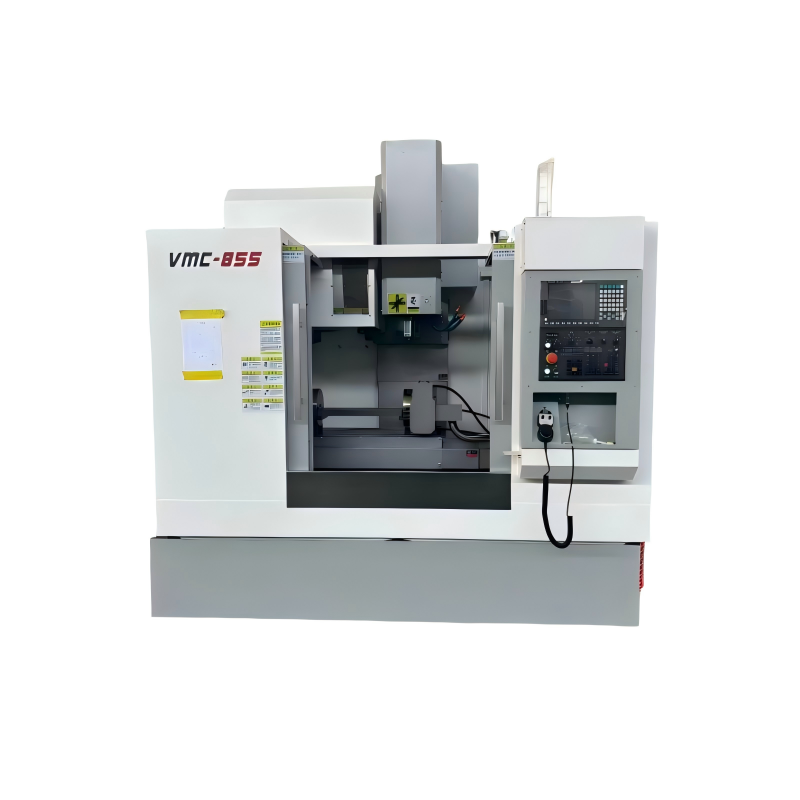
- Technical Specifications: Detailed technical specifications are crucial. This includes the type of VMC machine (e.g., 3-axis, 4-axis, 5-axis), spindle speed, table size, travel range, and any additional features required. Providing precise technical data helps suppliers understand the exact needs and capabilities required.
- Performance Criteria: Outline the performance criteria, such as accuracy, repeatability, and cutting capacity. This ensures that the VMC machine meets the operational requirements of the buyer. Performance criteria should also include any specific industry standards or certifications that the machine must comply with.
- Delivery and Installation: Specify the delivery timeline, installation requirements, and any necessary training for operators. This helps in planning the integration of the new machine into the existing production line and ensures minimal downtime.
- Warranty and Support: Clearly state the warranty terms, including the duration and coverage. Additionally, outline the support services available, such as maintenance, repair, and spare parts availability. This ensures that the machine remains operational and supported throughout its lifecycle.
By including these key elements, the RFQ provides a comprehensive and detailed framework for suppliers to respond, ensuring that the final selection aligns with the buyer's needs and expectations.
Strategies for Evaluating RFQ Responses
Once the RFQ has been issued and responses have been received, the next critical step is evaluating these responses. This section outlines strategies for effectively assessing the proposals and selecting the best supplier:
- Technical Evaluation: Conduct a thorough technical evaluation of each proposal to ensure that the VMC machine meets the specified technical requirements. This includes reviewing the technical specifications, performance data, and compliance with industry standards.
- Financial Analysis: Perform a financial analysis to compare the cost proposals. Consider not only the initial purchase price but also the total cost of ownership, including maintenance, energy consumption, and any other recurring costs. This helps in identifying the most cost-effective solution over the long term.
- Supplier Credibility and Experience: Evaluate the credibility and experience of the suppliers. Look at their track record, customer references, and market reputation. A supplier with a proven history of delivering high-quality VMC machines and excellent customer service is more likely to meet your expectations.
- Post-Sale Support and Service: Assess the post-sale support and service offerings. This includes the availability of spare parts, the response time for maintenance and repairs, and the level of technical support provided. Strong post-sale support can significantly reduce downtime and ensure the machine's longevity.
By employing these evaluation strategies, the buyer can make an informed decision, ensuring that the selected VMC machine and supplier are the best fit for their operational needs.
In conclusion, a well-structured Request for Quotation (RFQ) is a vital tool in the procurement of VMC machines. It not only clarifies the buyer's requirements but also facilitates a fair and competitive bidding process. By including key elements and using robust evaluation strategies, the buyer can ensure that the final selection meets their technical, financial, and operational needs. The success of the procurement process hinges on the quality and detail of the RFQ, making it an indispensable part of the VMC machine acquisition journey.

 23/06/2026