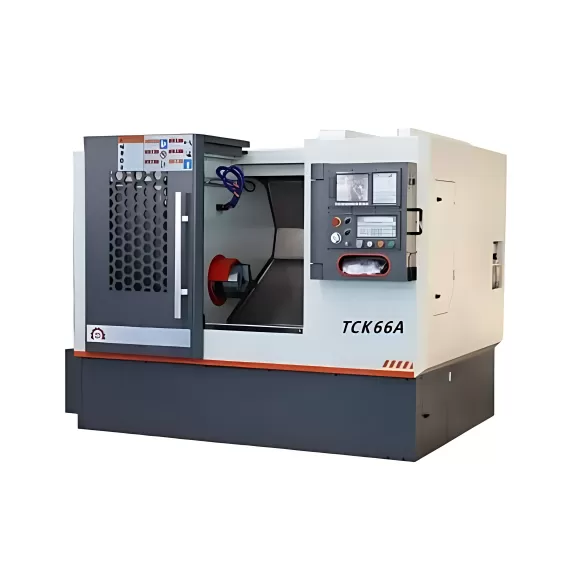
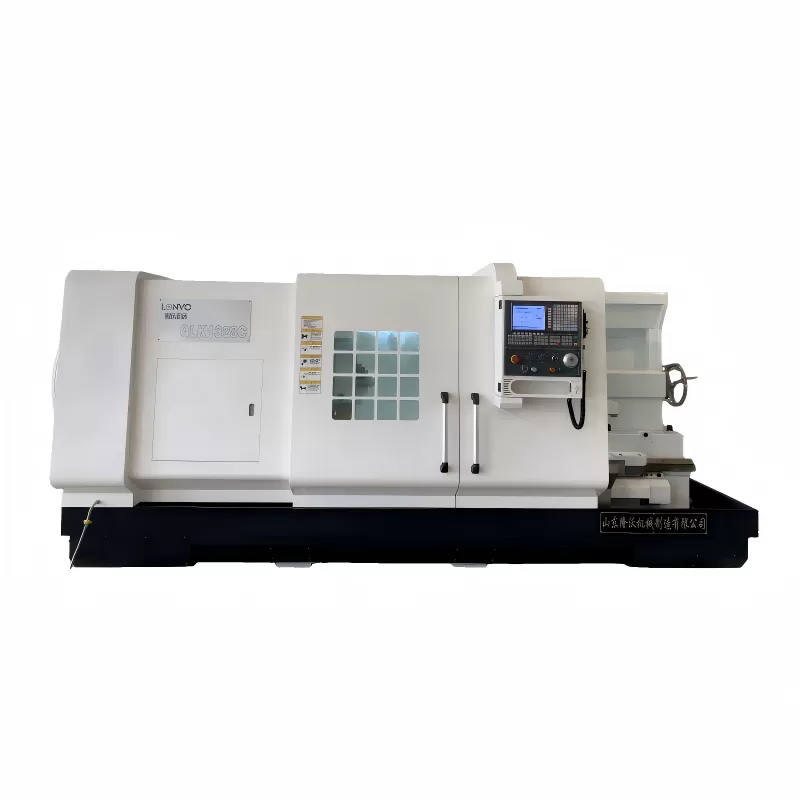
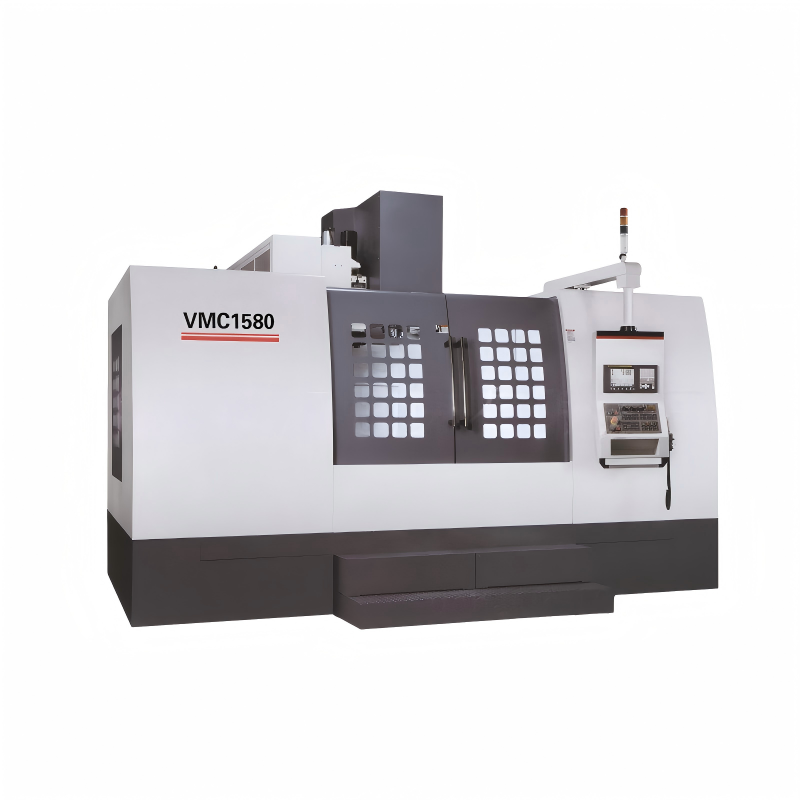
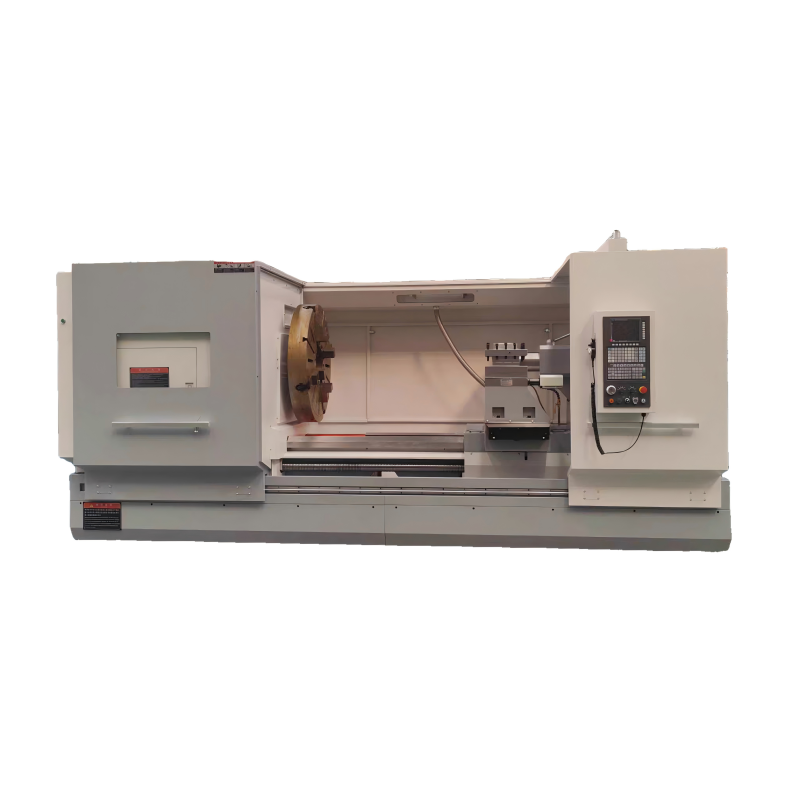
In the dynamic landscape of modern manufacturing, the role of a VMC (Vertical Machining Center) Manufacturer has become increasingly significant. This section delves into how advancements in VMC technology have not only streamlined production processes but also enhanced the precision and efficiency of machining operations. The evolution from traditional milling machines to today’s sophisticated VMCs marks a pivotal shift towards more automated, faster, and more reliable manufacturing solutions. VMC Manufacturers play a crucial part in this transformation by continuously innovating and improving their products to meet the evolving demands of the industry.
Modern VMCs are equipped with a range of advanced features that significantly contribute to the efficiency and productivity of machining processes. These include high-speed spindles, robust tool changers, and advanced control systems. High-speed spindles, for instance, allow for faster cutting speeds and higher feed rates, reducing cycle times and increasing throughput. Robust tool changers ensure quick and accurate tool changes, minimizing downtime and maximizing machine utilization. Additionally, advanced control systems provide precise and consistent performance, enabling manufacturers to achieve tighter tolerances and better surface finishes. By integrating these features, VMC manufacturers enable their customers to stay competitive in a rapidly changing market.
Despite the numerous benefits, VMC manufacturers face several challenges in the current manufacturing environment. One of the primary challenges is the need to balance cost-effectiveness with the integration of advanced technologies. As the demand for more efficient and versatile machines grows, VMC manufacturers must find ways to incorporate these technologies without significantly increasing the cost of their products. Another challenge is the rapid pace of technological change, which requires continuous innovation and adaptation. To overcome these challenges, VMC manufacturers often invest in research and development, collaborate with industry partners, and leverage emerging technologies such as artificial intelligence and the Internet of Things (IoT). These strategies help them to stay ahead of the curve and deliver cutting-edge solutions that meet the needs of their customers.
Sustainability has become a critical consideration in the manufacturing industry, and VMC manufacturers are playing an essential role in promoting sustainable practices. By developing energy-efficient machines and incorporating eco-friendly materials, VMC manufacturers are helping to reduce the environmental impact of machining operations. Energy-efficient VMCs, for example, use less power and generate less heat, leading to lower energy consumption and reduced carbon emissions. Additionally, the use of recyclable and biodegradable materials in the construction of VMCs contributes to a more sustainable manufacturing process. VMC manufacturers are also focusing on the design of machines that can be easily upgraded and maintained, extending their lifespan and reducing waste. Through these efforts, VMC manufacturers are not only enhancing the efficiency of their products but also contributing to a more sustainable future for the manufacturing industry.
Looking ahead, the future of VMC manufacturing is likely to be shaped by several key trends and innovations. One of the most promising areas is the integration of Industry 4.0 technologies, such as smart sensors, predictive maintenance, and data analytics. These technologies will enable VMCs to become more intelligent and self-optimizing, leading to even greater efficiency and productivity. Another trend is the increasing use of additive manufacturing (3D printing) in conjunction with subtractive manufacturing (machining), allowing for the creation of complex and highly customized parts. VMC manufacturers are also exploring the use of advanced materials, such as composites and lightweight alloys, to enhance the performance and durability of their machines. Furthermore, the development of more user-friendly and intuitive control interfaces will make VMCs more accessible to a broader range of operators, further driving their adoption in various industries. By embracing these trends and innovations, VMC manufacturers will continue to play a vital role in shaping the future of modern machining processes.
 23/06/2026
In the rapidly evolving landscape of manufacturing, VMC Manufacturer has emerged as a leader in innovation, pushing boundaries and setting new standards for efficiency, sustainability, and technological integration. This report delves into the key advance
Read More23/06/2026When it comes to selecting a VMC (Vertical Machining Center) manufacturer, the decision can significantly impact the efficiency and quality of your machining operations. A VMC is a versatile machine used in various industries for precision machining tasks
Read More23/06/2026In the rapidly evolving landscape of manufacturing, VMC Manufacturer has once again demonstrated its commitment to innovation and excellence. The year 2023 marks a significant milestone for the company, as it introduces several groundbreaking advancements
Read MoreOur professional sales team is always ready to assist you.