Introduction to Horizontal Machining Centers
The advent of Horizontal Machining Centers (HMCs) has significantly transformed the manufacturing landscape, offering a versatile solution for complex machining tasks. These machines are designed with a horizontal spindle, allowing for better chip evacuation and improved tool life. This section will provide an overview of HMCs, their design principles, and the fundamental advantages they bring to modern manufacturing processes.
Design Principles
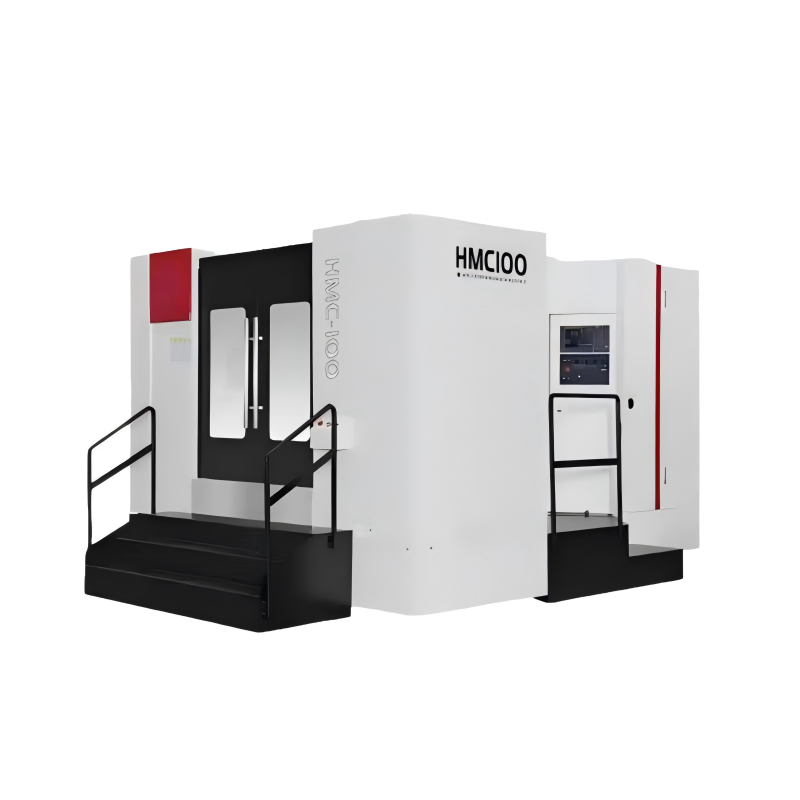
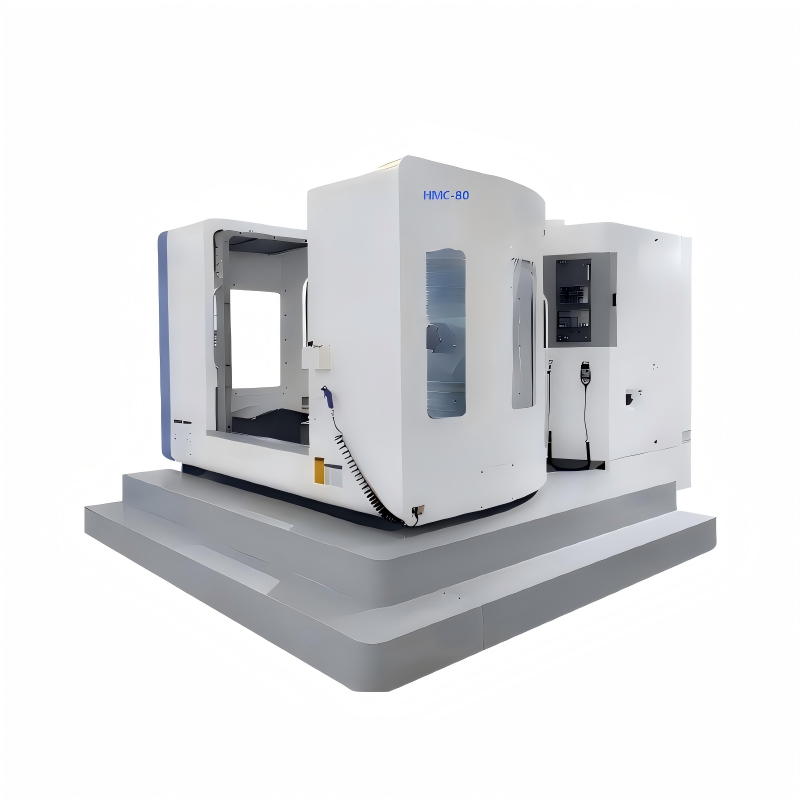
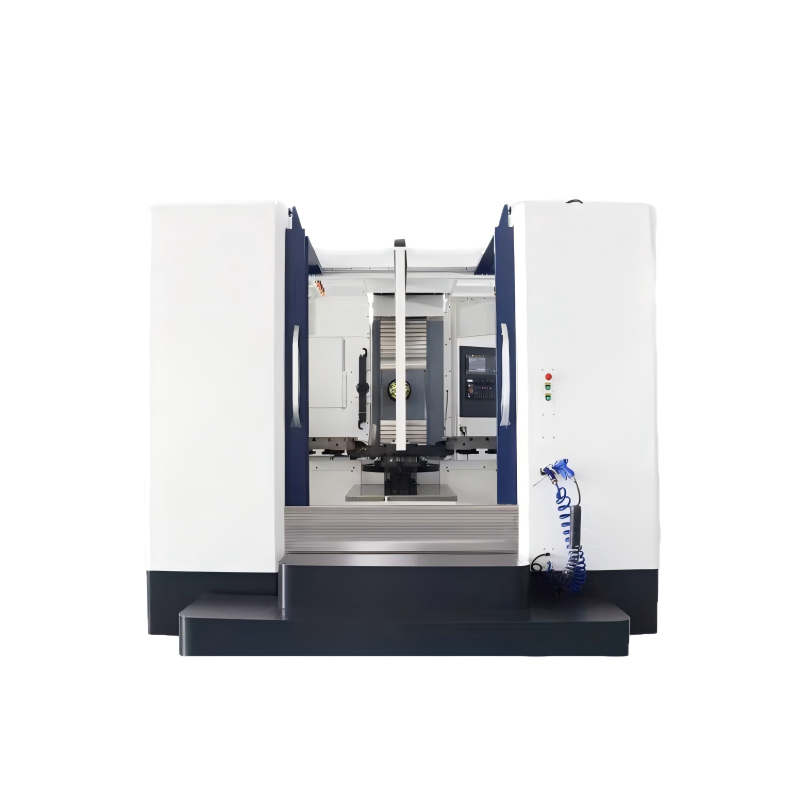
HMCs are built on a robust framework that ensures stability during high-speed operations. The key design elements include a rigid base, a powerful spindle, and a highly accurate indexing table. These components work together to deliver precise and efficient machining results.
Fundamental Advantages
One of the primary benefits of HMCs is their ability to handle large and heavy workpieces with ease. Additionally, the horizontal orientation of the spindle allows for better chip management, reducing the risk of chip re-cutting and improving overall surface finish quality.
Capabilities of Horizontal Machining Centers
HMCs are equipped with advanced features that make them suitable for a wide range of applications. Their capabilities include multi-axis machining, high-speed cutting, and the ability to perform complex operations in a single setup. This section will explore these capabilities in detail.
Multi-Axis Machining
HMCs often come with 4 or 5 axes, enabling them to perform intricate operations such as milling, drilling, and tapping in a single setup. This reduces the need for multiple setups, thereby increasing productivity and accuracy.
High-Speed Cutting
With high-speed spindles and rapid traverse rates, HMCs can achieve fast material removal rates. This not only speeds up the production process but also ensures that the workpiece maintains its dimensional accuracy and surface finish.
Limitations of Horizontal Machining Centers
While HMCs offer numerous advantages, they also have certain limitations that must be considered. These limitations include higher initial costs, space requirements, and specific maintenance needs. Understanding these constraints is crucial for making informed decisions about their use in manufacturing processes.
Higher Initial Costs
One of the main drawbacks of HMCs is their high initial investment. The advanced technology and robust construction required for these machines make them more expensive than Vertical Machining Centers (VMCs). However, the long-term benefits in terms of productivity and efficiency often justify the cost.
Space Requirements
HMCs require more floor space compared to VMCs due to their larger footprint and the need for additional peripheral equipment. This can be a significant consideration for manufacturers with limited workspace.
Applications of Horizontal Machining Centers
HMCs find extensive use in various industries, including automotive, aerospace, and general engineering. Their versatility and precision make them ideal for producing high-precision components and complex geometries. This section will discuss some of the key applications of HMCs.
Automotive Industry
In the automotive industry, HMCs are used to manufacture engine blocks, cylinder heads, and transmission cases. The ability to perform multi-axis operations in a single setup makes HMCs particularly valuable for this sector.
Aerospace Industry
The aerospace industry relies on HMCs for the production of critical components such as turbine blades, structural parts, and landing gear. The high precision and reliability of HMCs ensure that these components meet the stringent quality standards required in aerospace applications.
Maintenance and Optimization of Horizontal Machining Centers
To ensure the optimal performance and longevity of HMCs, regular maintenance and proper operation are essential. This includes routine checks, lubrication, and calibration. Additionally, optimizing the machine's settings and parameters can further enhance its performance. This section will provide insights into the best practices for maintaining and optimizing HMCs.
Regular Maintenance
Regular maintenance involves checking the machine's components for wear and tear, ensuring proper lubrication, and performing periodic calibrations. This helps in identifying and addressing potential issues before they lead to downtime or reduced performance.
Optimization Techniques
Optimizing the machine's settings, such as feed rates, spindle speeds, and tool paths, can significantly improve the efficiency and quality of the machining process. Advanced software tools and simulation techniques can be used to fine-tune these parameters and achieve the best possible results.
 May 27, 2026