How to Achieve Optimal CNC Machine Tool Selection? A Guide to Help Manufacturing Enterprises Enhance Equipment Efficiency
The Scientific CNC Machine Tool Selection Guide has been officially released. This guide outlines a systematic CNC machine tool selection process from multiple dimensions, including determining typical workpieces, controlling specifications and precision, and selecting system configurations. It provides professional reference for manufacturing enterprises during equipment procurement and technological upgrades, helping them achieve the optimal match between equipment investment and production efficiency.
I. Selection Prerequisite: Defining Typical Workpieces and Process Specifications
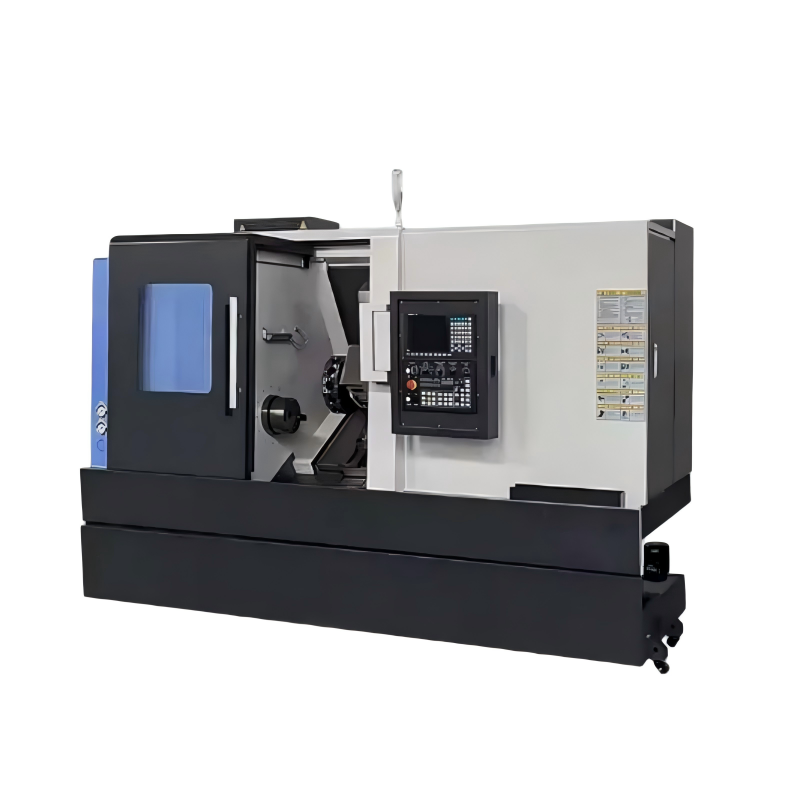
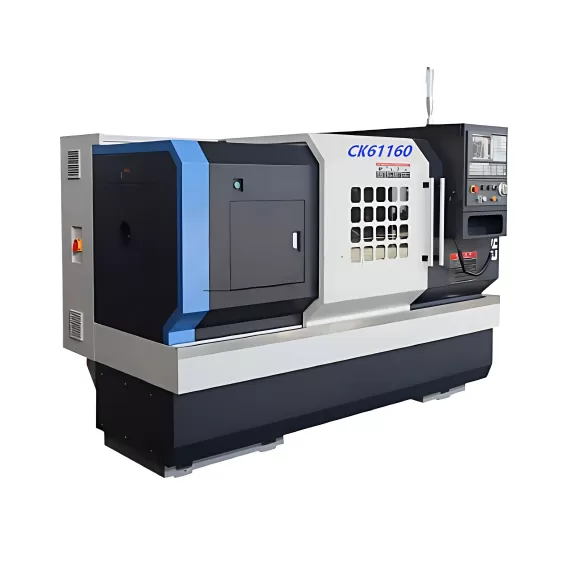
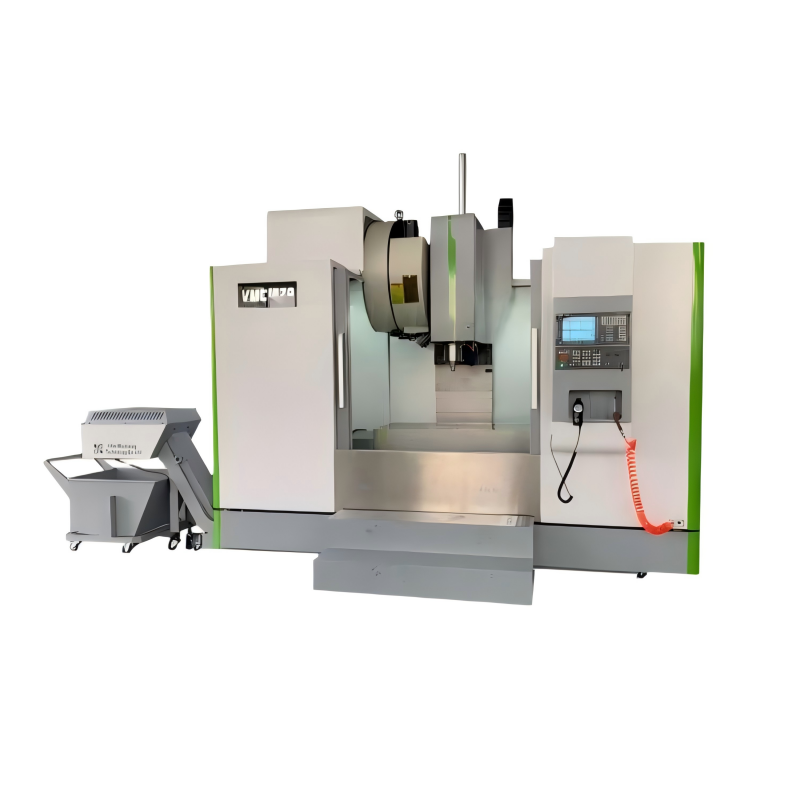
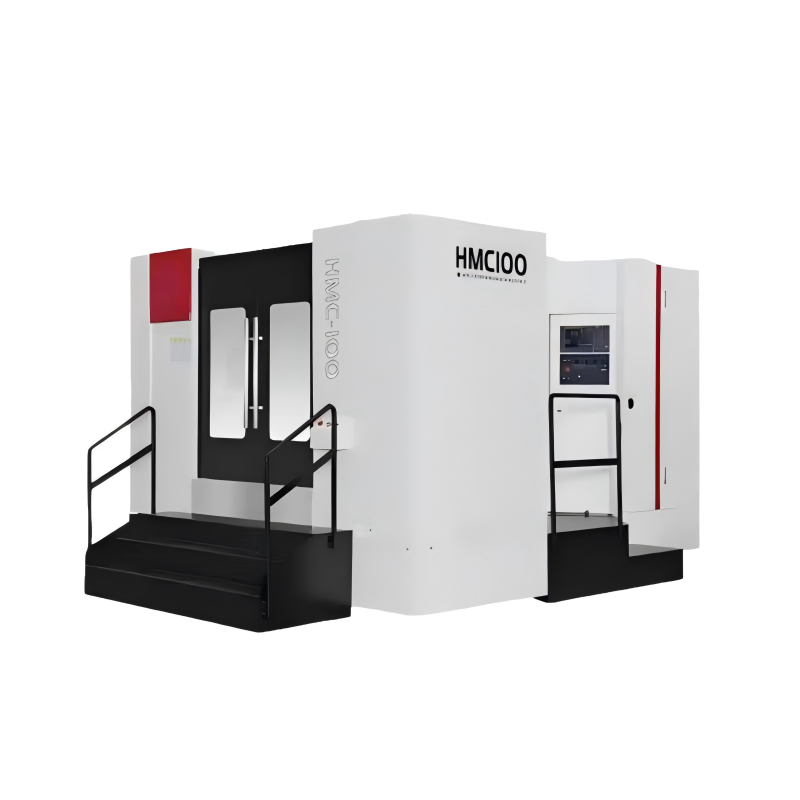
CNC machine tool selection is a comprehensive technical decision-making process directly impacting a company's production capacity enhancement and long-term development plans. The primary step involves identifying the “family” of typical workpieces. Enterprises must categorize their main processing targets based on technological upgrade and production development needs. Box-type components suit horizontal Machining Centers, plate-type components suit Vertical Machining Centers, and shaft-type rotary components suit turning centers. Rotary workpieces under 600mm diameter can use horizontal CNC Lathes, while those over 600mm require vertical CNC lathes. Complex rotary workpieces necessitate horizontal full-function CNC lathes or turning centers.
The design of process specifications for typical part families is a critical supporting element in machine selection. Enterprises must plan process flows based on CNC machining principles, explore new process methods, modern production logistics management, and the feasibility of advanced tooling applications. Concurrently, they should balance production line equipment capabilities, appropriately address the conflict between process concentration and progressive machining refinement principles, thereby defining fundamental requirements for CNC machine tools.

II. Core Elements: Controlling Machine Specifications and Precision Metrics
CNC machine specifications must align with typical part parameters. The machine worktable area should exceed part dimensions to facilitate fixture installation. Travel range must cover the part machining area to ensure tooling requirements. Worktable load capacity must exceed the combined weight of parts and fixtures. Main motor power directly determines cutting capacity and rigidity—higher power enables greater metal removal per minute.
CNC machine tool precision must be measured against ISO standards, with primary focus on positioning accuracy and repeatability. Repeatability reflects the stability of control axes at any point within the travel range and serves as the core indicator for assessing equipment reliability. Part machining accuracy is directly correlated with machine positioning precision: the hole-to-hole distance accuracy achieved by single-axis movement is approximately twice the machine's single-axis positioning accuracy, while dual-axis movement yields roughly three times this value.
III. Key Configurations: Optimal Selection of Control Systems, Tool Magazines, and Drive Motors
CNC machine control systems must match the machining type. Milling, turning, and drilling operations require dedicated milling, turning, and drilling control systems respectively. Basic system functions are essential configurations, while specialized options like graphical displays and automatic programming software—due to higher costs—should be selected based on actual operational needs.
Tool magazine and tool holder configurations must balance practicality and cost-effectiveness. Over 50% of machining center failures relate to tool magazines. Larger capacities increase both equipment cost and failure rates. A 20-tool magazine for vertical machining centers and a 40-tool magazine for Horizontal Machining Centers generally meet production needs. Enterprises can rely on machine tool manufacturers or tool suppliers to determine the types and quantities of tool holders. Simultaneously, configuring a composite tool presetter integrates tool preparation into the technical preparation phase, thereby enhancing machine utilization rates.
For CNC machine tool drives and motors, prioritize selecting matching products from the same brand as the control system to ensure optimal performance compatibility. The power and torque of feed motors directly impact response capability and positioning accuracy; enterprises should select appropriate motor configurations based on machining requirements.

IV. Supporting Components: Functional Selection, Technical Services, and Comparative Analysis
Functional selection for CNC machine tools should follow a pragmatic approach. Beyond core control system functions, additional features like full closed-loop systems, CNC rotary tables, and automatic chip conveyors increase equipment costs. Enterprises should prioritize equipping commonly used, reasonably priced accessories while selecting limited-use, high-cost functions only as needed.
Technical services for CNC machine tools ensure efficient operation. Enterprises must employ specialized process engineers, programmers, and maintenance technicians while prioritizing workforce development and skill enhancement to maximize machine tool performance.
Comparative analysis during CNC machine tool selection is a critical step in finalizing procurement decisions. Enterprises can provide typical part drawings to manufacturers' pre-sales technical support departments to obtain professional selection recommendations. Simultaneously, detailed comparisons of recommended equipment configurations, performance, and pricing across manufacturers should be conducted to identify the most cost-effective solution.
V. Selection Background and Value Outlook
CNC machine tools have become core equipment for manufacturing enterprises in technological upgrades and production capacity enhancement due to their strong capability in processing complex surfaces, high flexibility, superior precision and efficiency, and high equipment utilization rates. This selection guide addresses the core challenges of “how to select” and “what to select” in equipment procurement, grounded in the practical needs of manufacturing enterprises. Looking ahead, as manufacturing technologies continue to evolve, CNC machine tool selection will increasingly prioritize compatibility with enterprises' digital and intelligent transformation strategies, thereby empowering manufacturers to achieve high-quality development.