In the intricate world of manufacturing, precision is not just a preference but a necessity. The ability to create molds with high accuracy and consistency is crucial for industries ranging from automotive to electronics. This report delves into the art of precision in mold making, focusing on the pivotal role played by Vertical Machining Centers (VMC) in achieving unparalleled levels of detail and quality.
Understanding the Role of VMC in Mold Making
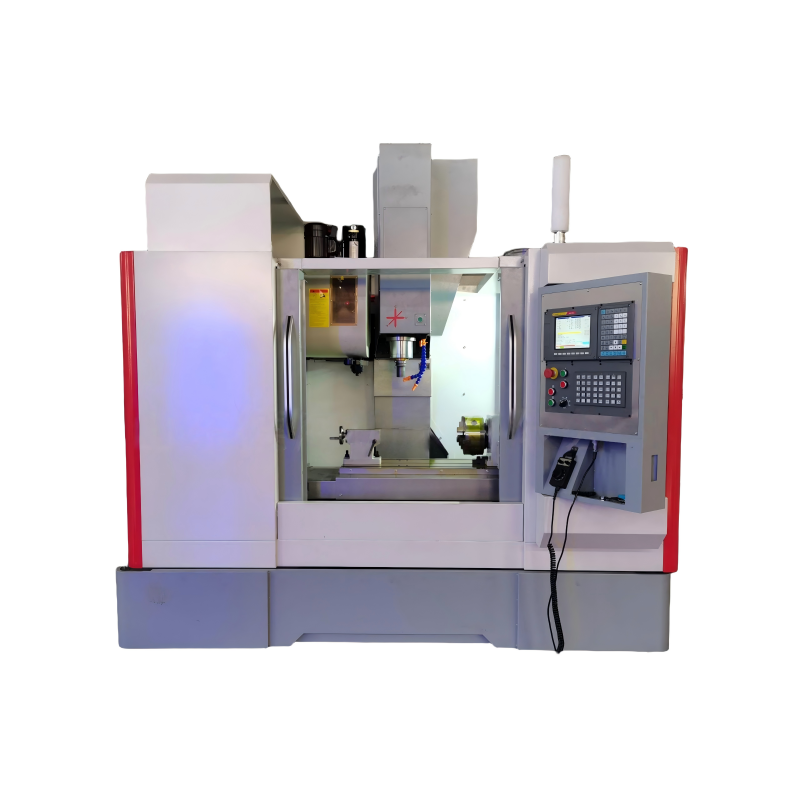
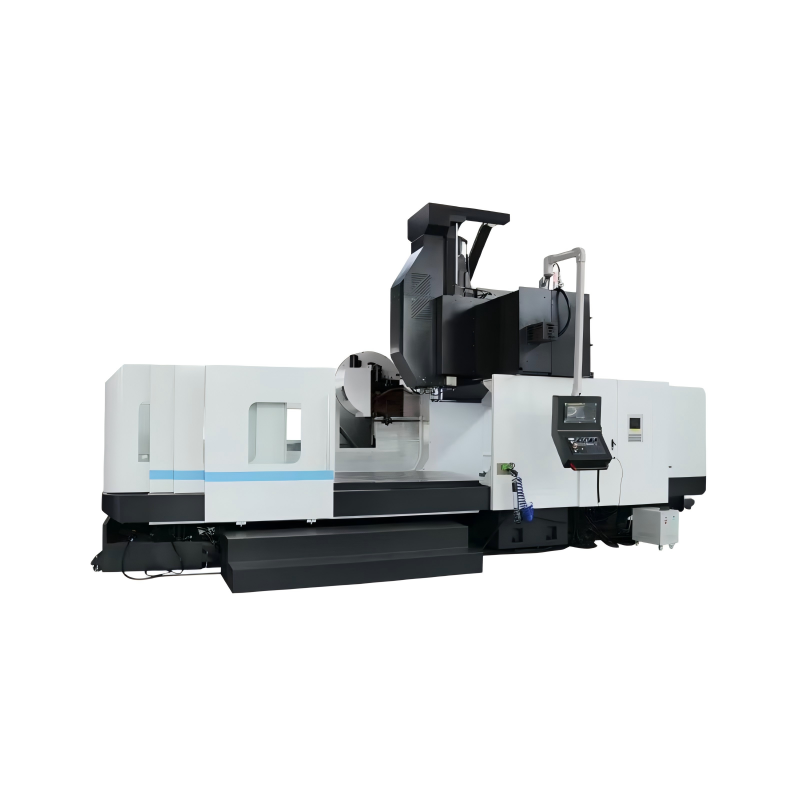
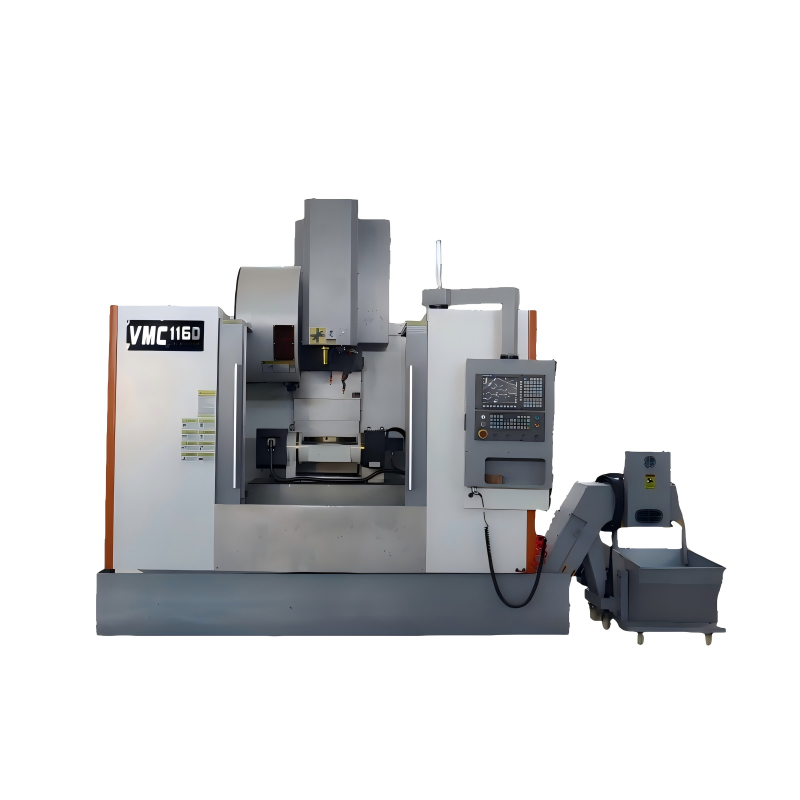
The advent of advanced machining technologies has revolutionized how we approach mold making. A Mold Making VMC, or Vertical Machining Center, stands out as a cornerstone in this transformation. Unlike traditional methods, which often rely heavily on manual skills and are prone to human error, VMCs offer an automated solution that ensures every cut, drill, and finish is executed with micrometer-level precision. These machines are equipped with multi-axis capabilities, allowing them to perform complex operations on a variety of materials, from metals to plastics, ensuring that even the most intricate designs can be brought to life with ease. Moreover, the integration of computer-aided design (CAD) and computer-aided manufacturing (CAM) software enables seamless translation of digital models into physical prototypes, further enhancing the efficiency and accuracy of the process.
Advantages of Using VMC for High-Precision Molds
One of the primary advantages of utilizing a VMC in mold making is its capacity to produce highly accurate and repeatable results. In industries where the slightest deviation can lead to significant functional or aesthetic issues, such as in the production of optical lenses or electronic components, this level of precision is non-negotiable. Additionally, VMCs can handle both soft and hard materials, making them versatile tools capable of adapting to diverse project requirements. Another key benefit is their speed; these machines can work continuously without fatigue, leading to faster turnaround times and increased productivity. Furthermore, modern VMCs come equipped with features like automatic tool changers and coolant systems, which not only improve operational efficiency but also extend the lifespan of the machine and its components.
Challenges and Solutions in Implementing VMC Technology
While the benefits of using VMCs in mold making are clear, there are also challenges that must be addressed for successful implementation. One major hurdle is the initial investment cost, as these machines represent a significant capital expenditure. However, when considering long-term savings through reduced labor costs and improved product quality, many manufacturers find the investment worthwhile. Another challenge lies in the need for skilled operators who understand both the technical aspects of the machine and the intricacies of mold design. Training programs and partnerships with educational institutions can help bridge this skills gap. Lastly, maintaining the equipment and keeping up with technological advancements is crucial to ensure continued performance and competitiveness. Regular maintenance schedules and updates to software and hardware can mitigate potential downtime and keep the machinery running at optimal levels.
To conclude, the use of VMCs in mold making represents a significant step forward in terms of precision, versatility, and efficiency. By addressing the associated challenges and leveraging the full potential of these machines, manufacturers can achieve new heights in product quality and innovation. As technology continues to evolve, it is likely that VMCs will play an even more central role in shaping the future of mold making and beyond.
 23/06/2026