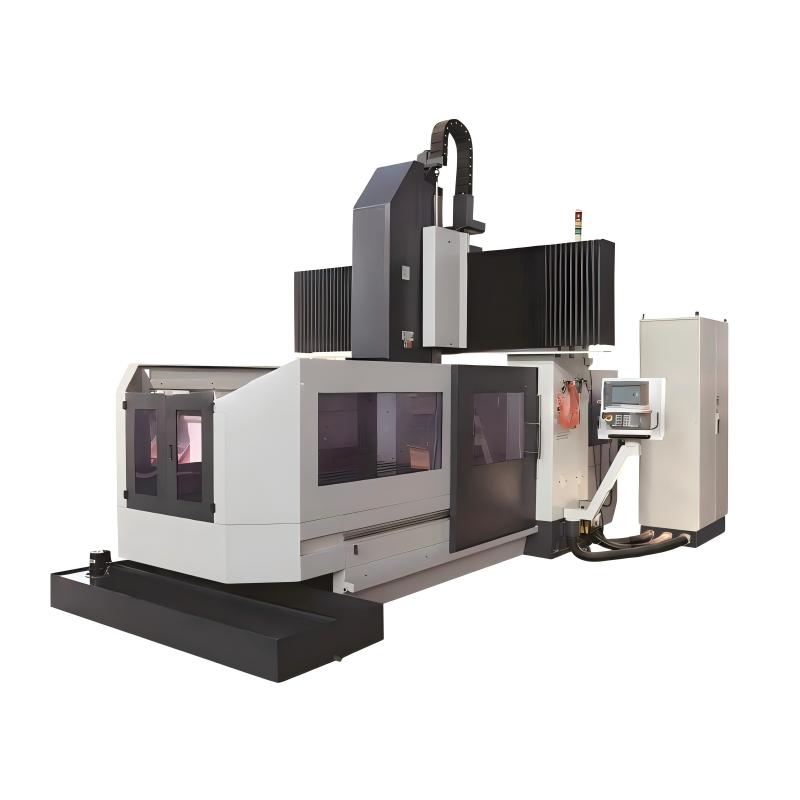
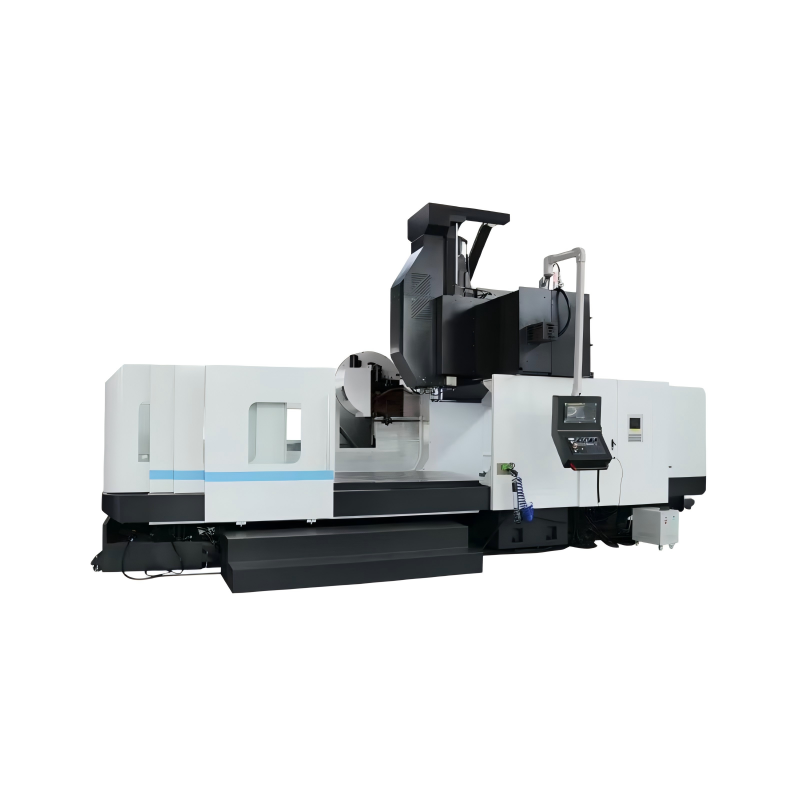
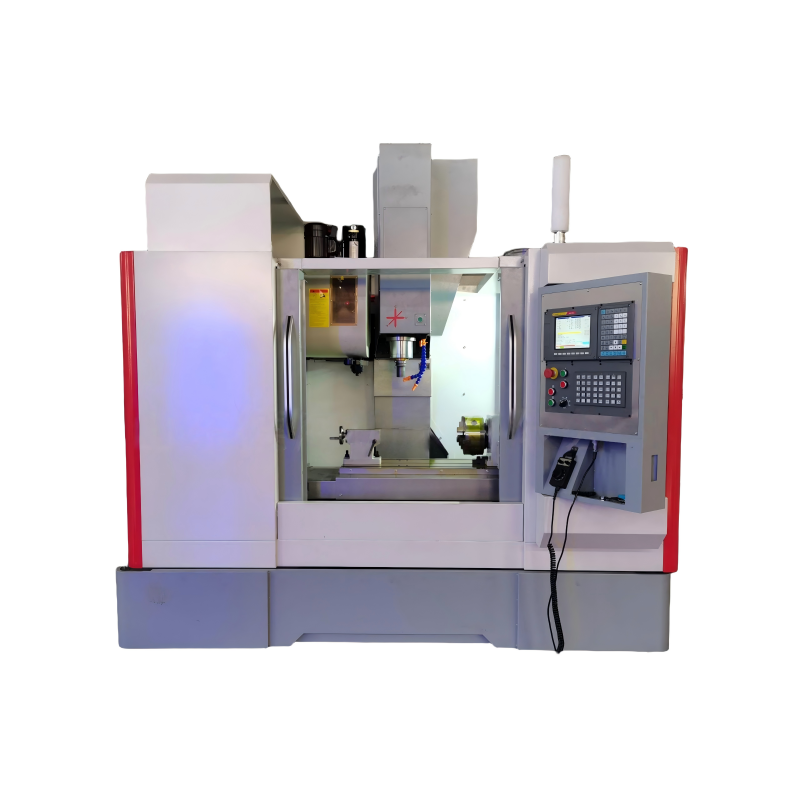
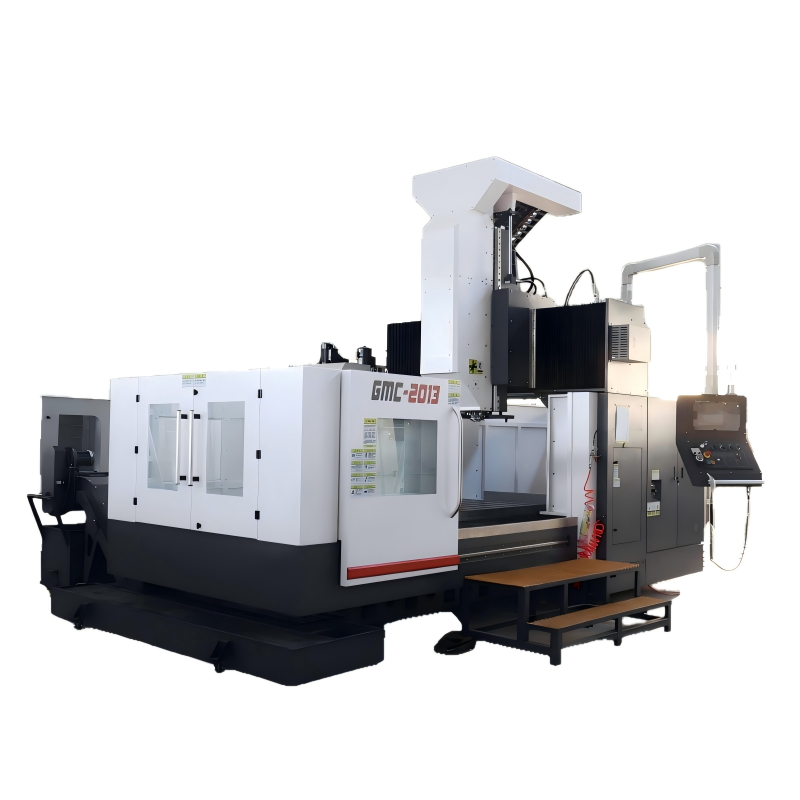
With the rapid advancement in manufacturing technologies, the demand for precision and efficiency has never been higher. One of the key areas where this is evident is in mold making, particularly with the use of VMC (Vertical Machining Centers). This report delves into the intricacies of how VMCs are revolutionizing the mold making industry, providing a deeper understanding of their functionalities, benefits, and the future possibilities they present.
Historically, mold making relied heavily on manual processes, which were time-consuming and prone to human error. The introduction of CNC (Computer Numerical Control) machines marked a significant shift towards automation and accuracy. Among these, the Vertical Machining Center (VMC) stands out as a game-changer. VMCs are designed to perform a wide range of operations, from milling and drilling to tapping and boring, all with high precision and repeatability. The transition from traditional methods to VMCs has not only improved the quality of molds but also reduced production times and costs, making it an indispensable tool in modern manufacturing.
A VMC is a versatile machine that can handle complex geometries and tight tolerances, making it ideal for mold making. These machines are equipped with advanced software and control systems that allow for precise control over the cutting process. The ability to program intricate paths and execute them with minimal operator intervention ensures consistent results, even for the most challenging mold designs. Additionally, VMCs offer features such as automatic tool changers, coolant systems, and spindle speed control, which further enhance their performance and reliability. The integration of these features makes VMCs a powerful tool for achieving high-quality molds with exceptional surface finishes and dimensional accuracy.
One of the primary advantages of using VMCs in mold making is the significant boost in productivity and efficiency. VMCs can operate 24/7 with minimal supervision, allowing for continuous production and reducing downtime. The high-speed spindles and rapid traverse rates enable faster machining cycles, which translates to shorter lead times and increased throughput. Moreover, the use of advanced CAM (Computer-Aided Manufacturing) software allows for the optimization of toolpaths, reducing material waste and improving overall efficiency. By leveraging these capabilities, manufacturers can meet tight deadlines and respond quickly to market demands, ensuring a competitive edge in the industry.
Quality and precision are paramount in mold making, as even the slightest deviation can result in defective parts or compromised functionality. VMCs excel in delivering high-precision results, thanks to their rigid construction and advanced control systems. The ability to maintain tight tolerances and achieve superior surface finishes is crucial for producing molds that meet the stringent requirements of various industries, such as automotive, aerospace, and medical. Furthermore, the use of probing and measurement systems integrated into VMCs allows for real-time monitoring and adjustments, ensuring that the final product meets the specified standards. This level of quality and precision is essential for maintaining the integrity and performance of the molds, ultimately leading to higher customer satisfaction and trust.
The landscape of mold making is continuously evolving, and VMCs are at the forefront of this transformation. Emerging trends and innovations in VMC technology include the integration of artificial intelligence (AI) and machine learning (ML) algorithms, which can optimize machining parameters and predict maintenance needs. Additionally, the development of hybrid VMCs that combine multiple functions, such as turning and milling, in a single machine, offers new possibilities for efficient and versatile mold production. The adoption of Industry 4.0 principles, including the Internet of Things (IoT) and smart factory concepts, is also driving the evolution of VMCs, enabling real-time data collection, analysis, and decision-making. These advancements promise to further enhance the capabilities of VMCs, making them even more indispensable in the mold making industry.
In conclusion, the role of VMCs in mold making cannot be overstated. From the evolution of traditional methods to the current state-of-the-art technologies, VMCs have proven to be a transformative force in the industry. Their ability to deliver high precision, enhance productivity, and ensure top-notch quality makes them an essential tool for modern manufacturers. As the industry continues to advance, the integration of new technologies and innovative solutions will further solidify the position of VMCs as the cornerstone of mold making.
 23/06/2026
In the ever-evolving landscape of manufacturing, technological advancements are reshaping the way we produce goods. One such technology that has gained significant attention is Vertical Machining Center (VMC) technology. This report delves into the future
Read More23/06/2026In the intricate world of manufacturing, precision is not just a preference but a necessity. The ability to create molds with high accuracy and consistency is crucial for industries ranging from automotive to electronics. This report delves into the art o
Read MoreOur professional sales team is always ready to assist you.