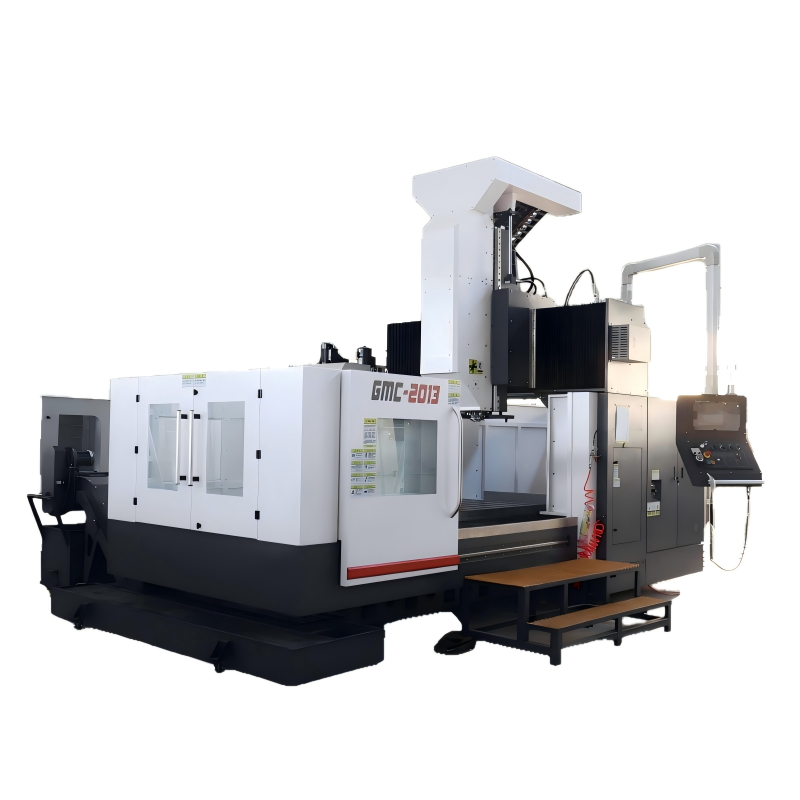
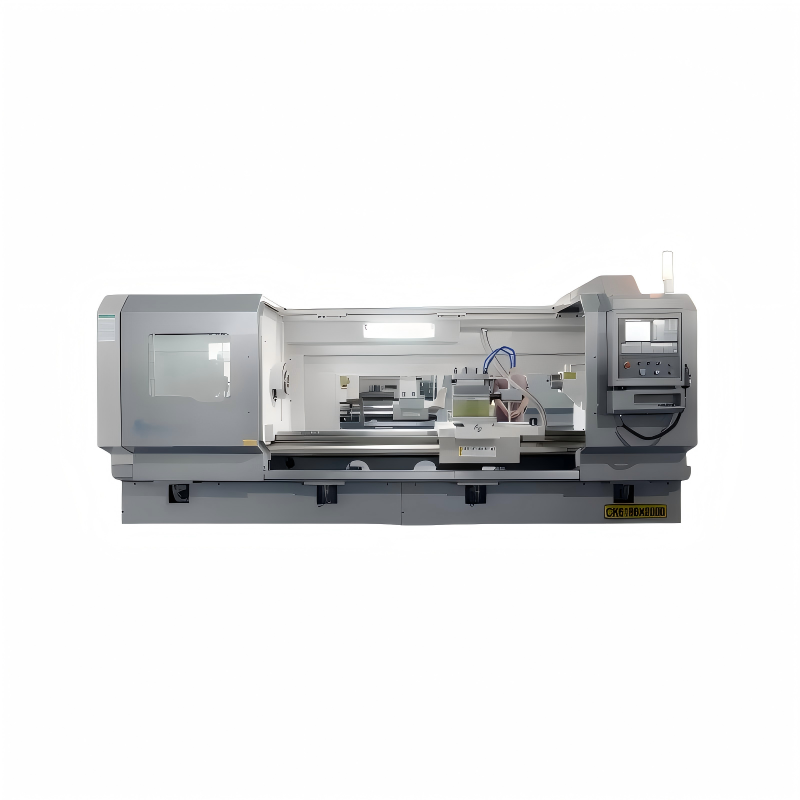
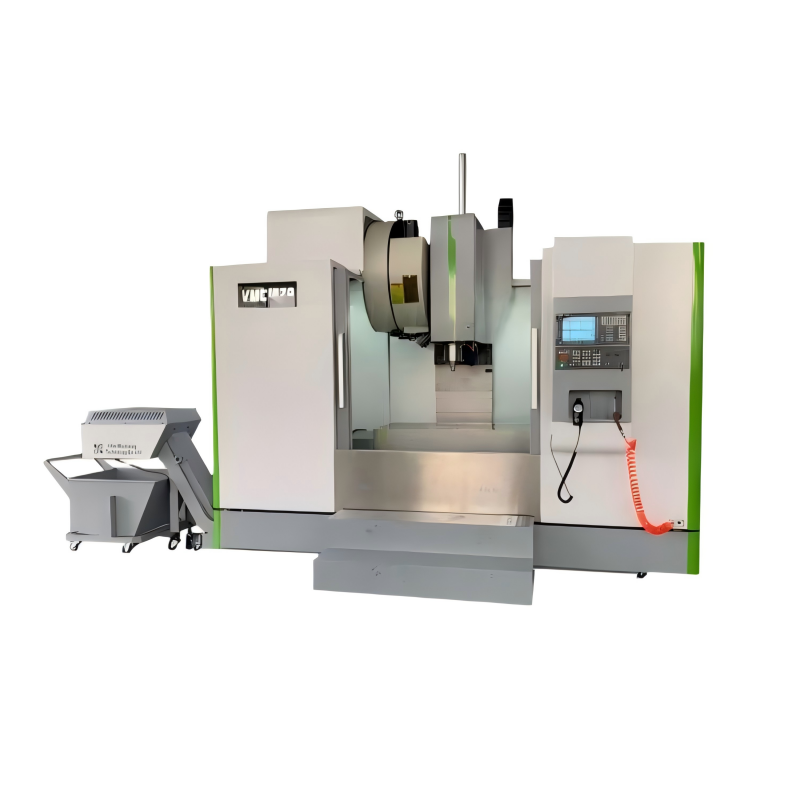
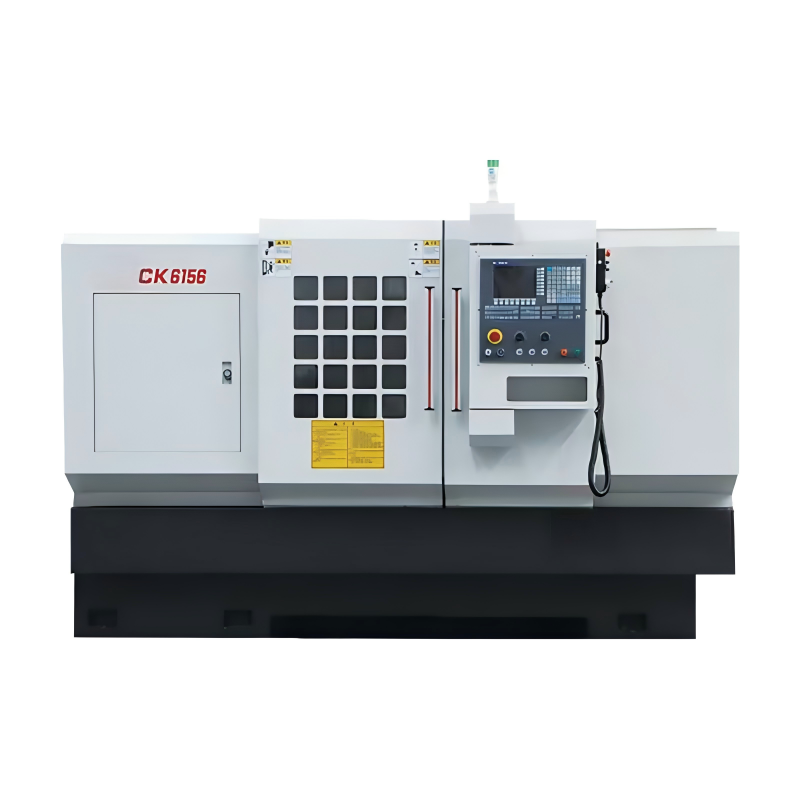
The industrial lathe machine has long been a cornerstone of manufacturing, providing the precision and versatility needed to shape materials into intricate parts. As technology advances, these machines continue to evolve, incorporating new features that enhance their capabilities and efficiency. This report explores the current state of industrial lathe machines in modern manufacturing, highlighting their adaptability, technological advancements, and the impact they have on production processes.
One of the most significant advantages of modern industrial lathe machines is the level of precision and control they offer. Advanced CNC (Computer Numerical Control) systems allow for highly accurate and repeatable machining operations. These systems use digital instructions to guide the cutting tools, ensuring that each part is machined to exact specifications. The integration of high-resolution encoders and servomotors further enhances the accuracy, enabling the production of complex geometries with tight tolerances. Additionally, real-time monitoring and feedback systems help operators make adjustments on the fly, minimizing errors and improving overall quality.
Industrial lathe machines are designed to maximize productivity and efficiency in the manufacturing process. High-speed spindles, coupled with powerful motors, enable faster cutting speeds and feed rates, reducing cycle times and increasing throughput. Automated tool changers and multi-axis configurations allow for continuous operation without the need for manual intervention, significantly decreasing downtime. Furthermore, the ability to perform multiple operations in a single setup, such as turning, milling, and drilling, reduces the number of setups required and streamlines the production workflow. This not only saves time but also reduces the risk of human error and improves overall consistency.
Another key feature of industrial lathe machines is their flexibility in handling a wide range of materials. From metals like steel, aluminum, and titanium to non-metals such as plastics and composites, these machines can be adapted to work with various materials. The ability to adjust parameters such as cutting speed, feed rate, and tool selection allows for optimal performance across different materials. Additionally, specialized tooling and coolant systems can be employed to handle specific material properties, such as heat sensitivity or brittleness. This versatility makes industrial lathe machines indispensable in industries that require the production of diverse components from a variety of materials.
The advent of Industry 4.0 has brought about a new era of connectivity and data-driven decision-making in manufacturing. Industrial lathe machines are increasingly being integrated with smart technologies, such as IoT (Internet of Things) sensors, AI (Artificial Intelligence), and machine learning algorithms. These technologies enable real-time data collection and analysis, allowing for predictive maintenance, optimized production schedules, and enhanced quality control. For example, IoT sensors can monitor the condition of the machine and its components, predicting potential failures before they occur and scheduling maintenance accordingly. AI and machine learning algorithms can analyze production data to identify trends, optimize tool paths, and improve overall efficiency. This integration not only enhances the performance of the lathe machine but also contributes to the broader goals of Industry 4.0, such as increased automation and reduced waste.
As environmental concerns become more pressing, the manufacturing industry is placing greater emphasis on sustainability. Industrial lathe machines are no exception, with manufacturers developing solutions to reduce energy consumption and minimize waste. Energy-efficient motors and drives, combined with optimized control systems, help to lower power usage while maintaining high performance. Additionally, the use of advanced cooling and lubrication systems reduces the amount of coolant and lubricant required, minimizing environmental impact. Recycling and reusing materials, such as chips and swarf, also contribute to a more sustainable manufacturing process. By adopting these practices, manufacturers can not only meet regulatory requirements but also improve their bottom line by reducing operational costs.
In conclusion, the industrial lathe machine continues to play a vital role in modern manufacturing, offering enhanced precision, increased productivity, and flexibility in material handling. The integration of advanced technologies and a focus on sustainability further solidify its position as an essential tool in the industry. As manufacturing continues to evolve, the industrial lathe machine will undoubtedly remain at the forefront, driving innovation and efficiency in the production of high-quality components.
 23/06/2026
Industrial Lathe Machines play a crucial role in the manufacturing industry, particularly when it comes to creating cylindrical parts with high precision. The importance of precision cannot be overstated, as even the slightest deviation can result in subs
Read More23/06/2026Industrial lathe machines are essential tools in the manufacturing and engineering sectors, playing a crucial role in shaping and machining various materials. These machines are designed to rotate a workpiece on its axis to perform operations such as cutt
Read More23/06/2026In the realm of modern manufacturing, the Industrial Lathe Machine stands as a cornerstone, enabling precise and efficient production processes. This versatile tool has evolved significantly over the years, adapting to the changing demands of the industry
Read MoreOur professional sales team is always ready to assist you.