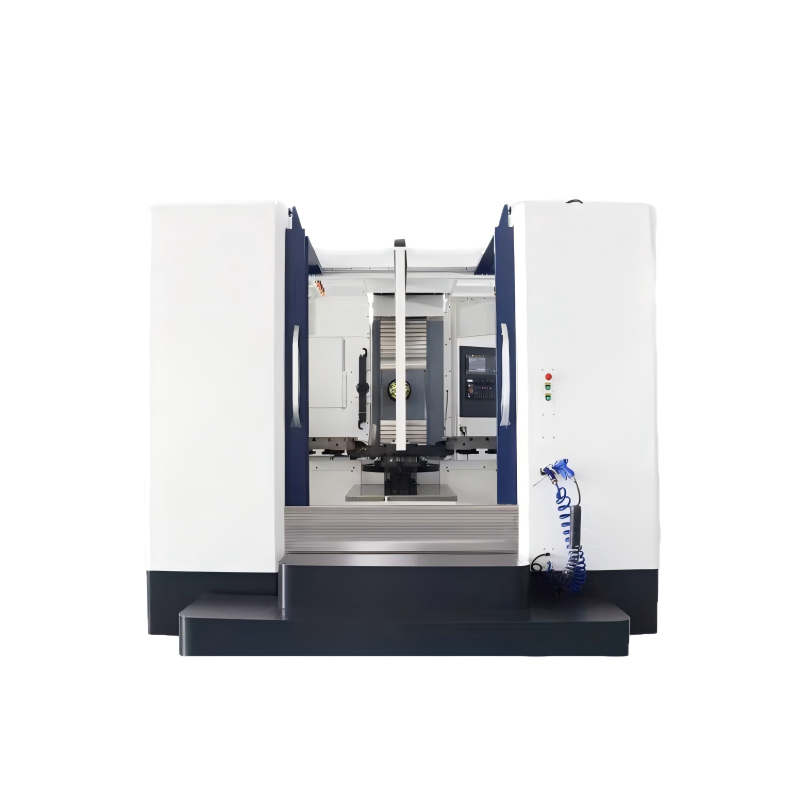
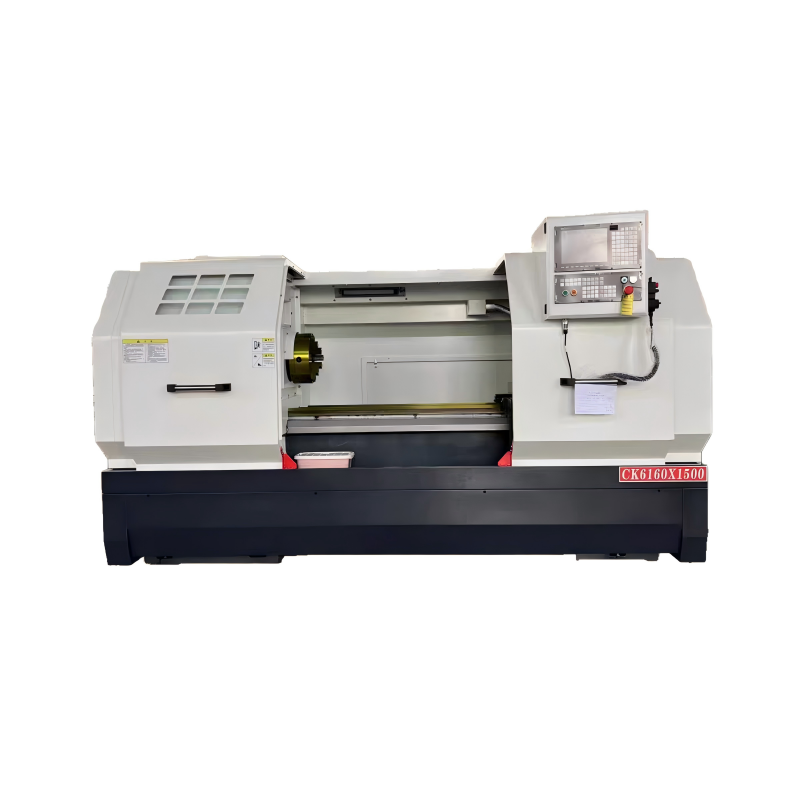
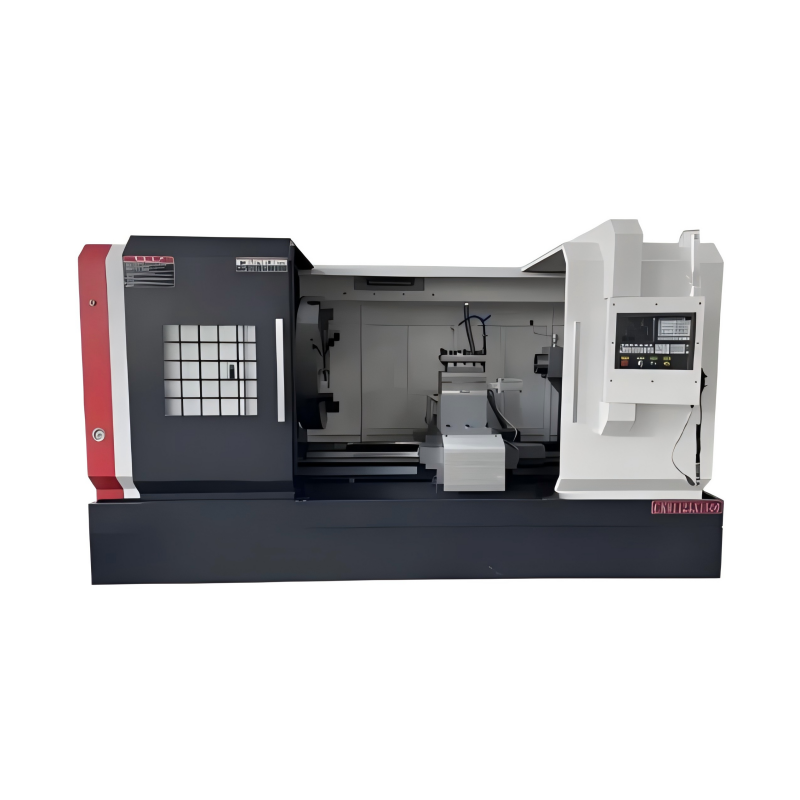
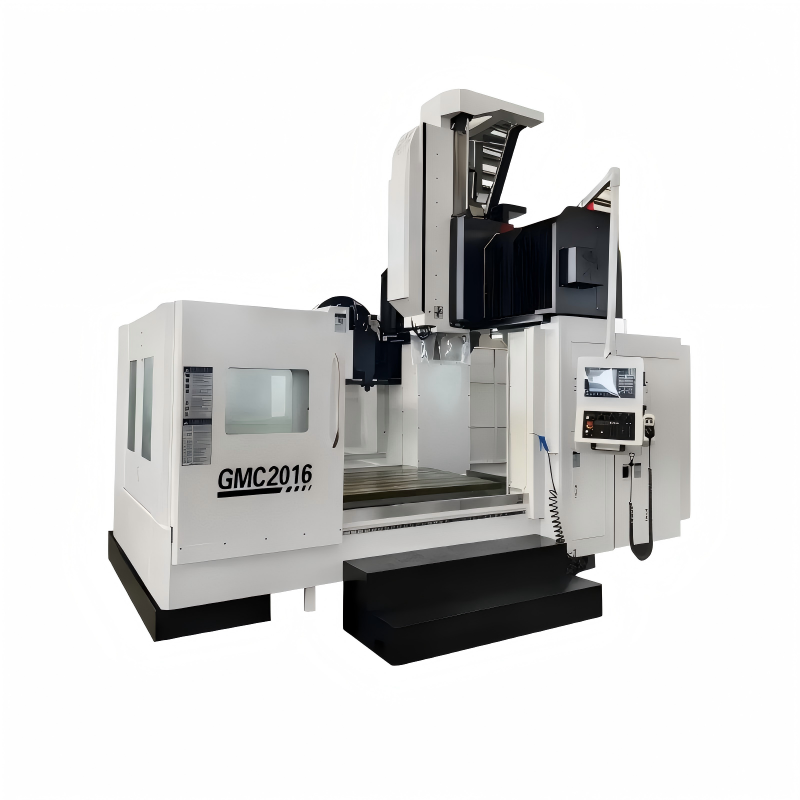
Industrial Lathe Machines play a crucial role in the manufacturing industry, particularly when it comes to creating cylindrical parts with high precision. The importance of precision cannot be overstated, as even the slightest deviation can result in substandard products, leading to potential safety issues and financial losses. This report aims to explore the significance of precision in operating an Industrial Lathe Machine, highlighting key aspects that contribute to achieving optimal results.
One of the most critical factors in ensuring the quality of machined parts is the level of precision maintained during the operation. An Industrial Lathe Machine is designed to produce components with tight tolerances, which are essential for parts that will be used in assemblies where fit and function are paramount. For example, in automotive or aerospace industries, engine parts, such as pistons and cylinders, must meet extremely precise specifications to ensure they work seamlessly together, providing efficient performance and longevity. Any lack of precision could lead to premature wear, reduced efficiency, or even catastrophic failure under stress conditions. Therefore, operators must adhere strictly to the required dimensional accuracy, surface finish, and geometric conformity, using advanced measuring tools and techniques to verify these parameters throughout the machining process.
To achieve consistent high-precision outputs from an Industrial Lathe Machine, regular calibration and maintenance are indispensable. Over time, various factors like wear and tear, temperature fluctuations, and mechanical vibrations can affect the machine's alignment and measurement systems, leading to inaccuracies in the final product. A well-maintained lathe should undergo periodic checks and adjustments to maintain its original accuracy. This includes calibrating the spindle, checking for any play in the bearings, and ensuring that all moving parts operate smoothly without excessive friction. Additionally, modern lathes often come equipped with built-in diagnostic features that can alert operators to potential issues before they become serious problems. By keeping the equipment in top condition, manufacturers can significantly reduce the risk of producing defective parts and improve overall productivity.
While having a well-calibrated and maintained Industrial Lathe Machine is crucial, the skill and expertise of the operator also play a vital role in achieving high levels of precision. Experienced machinists understand how to set up the machine correctly, select the appropriate cutting tools, and adjust feed rates and speeds based on the material being worked on. They are also adept at interpreting blueprints and technical drawings, allowing them to translate design requirements into tangible, precisely manufactured components. Furthermore, skilled operators know how to monitor the machining process closely, making real-time adjustments as necessary to compensate for any deviations from the desired outcome. Continuous training and development programs help keep staff updated with the latest best practices and technological advancements, further enhancing their ability to deliver high-quality, precisely crafted parts consistently.
The advent of new technologies has revolutionized the way precision is achieved in Industrial Lathe Machines. Computer Numerical Control (CNC) systems, for instance, have become increasingly popular due to their ability to automate complex operations while maintaining exceptional accuracy. CNC Lathes use digital inputs to control the movement of the tool along multiple axes, enabling the production of intricate shapes and patterns with minimal human intervention. Moreover, integration with CAD/CAM software allows for seamless transition from design to fabrication, reducing errors associated with manual setup and programming. Other innovations, such as laser metrology and adaptive control systems, provide additional layers of precision by continuously monitoring and adjusting the machining process in response to real-time data. These technological advancements not only enhance the capability of industrial lathes but also open up new possibilities for innovation and customization in manufacturing processes.
Operating an Industrial Lathe Machine with high precision is a multifaceted endeavor that requires attention to numerous interconnected elements. From maintaining the physical condition of the equipment to leveraging the skills of experienced operators and incorporating cutting-edge technology, each component plays a significant role in determining the success of the machining process. As the demands for more sophisticated and customized parts continue to grow, so too does the need for manufacturers to prioritize precision in every aspect of their operations. By adopting a comprehensive approach that addresses all these areas, companies can ensure they remain competitive, delivering high-quality, reliable products that meet the stringent standards of today's market.
 23/06/2026
The industrial lathe machine has long been a cornerstone of manufacturing, providing the precision and versatility needed to shape materials into intricate parts. As technology advances, these machines continue to evolve, incorporating new features that e
Read More23/06/2026Industrial lathe machines are essential tools in the manufacturing and engineering sectors, playing a crucial role in shaping and machining various materials. These machines are designed to rotate a workpiece on its axis to perform operations such as cutt
Read More23/06/2026In the realm of modern manufacturing, the Industrial Lathe Machine stands as a cornerstone, enabling precise and efficient production processes. This versatile tool has evolved significantly over the years, adapting to the changing demands of the industry
Read MoreOur professional sales team is always ready to assist you.