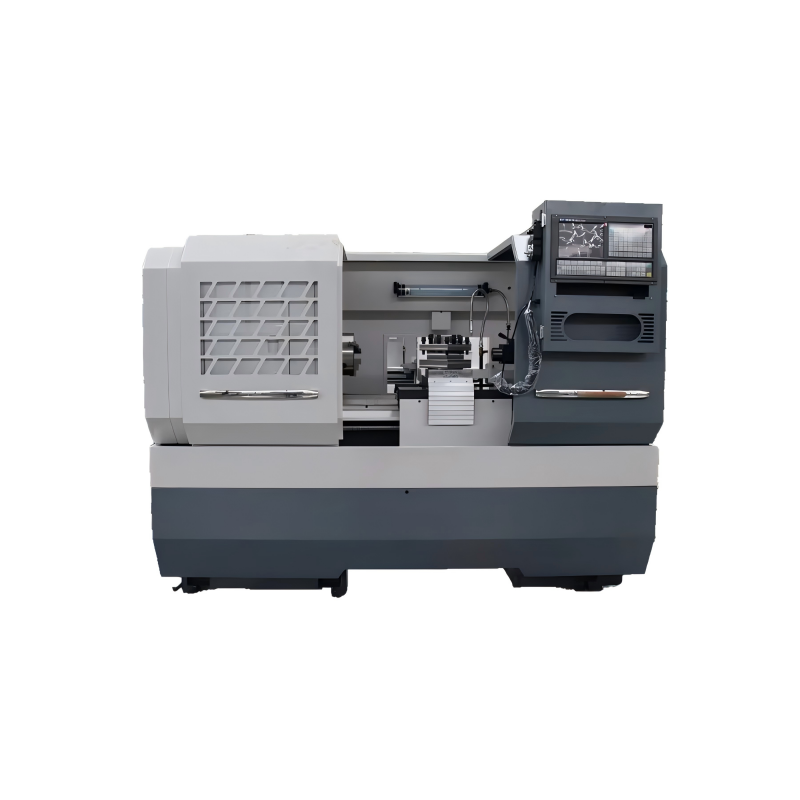
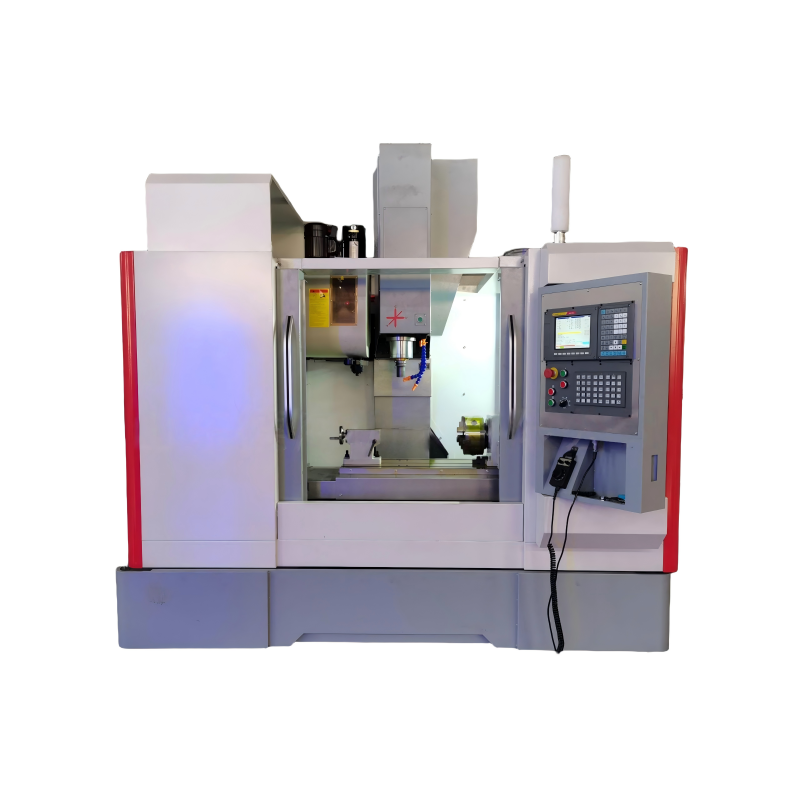
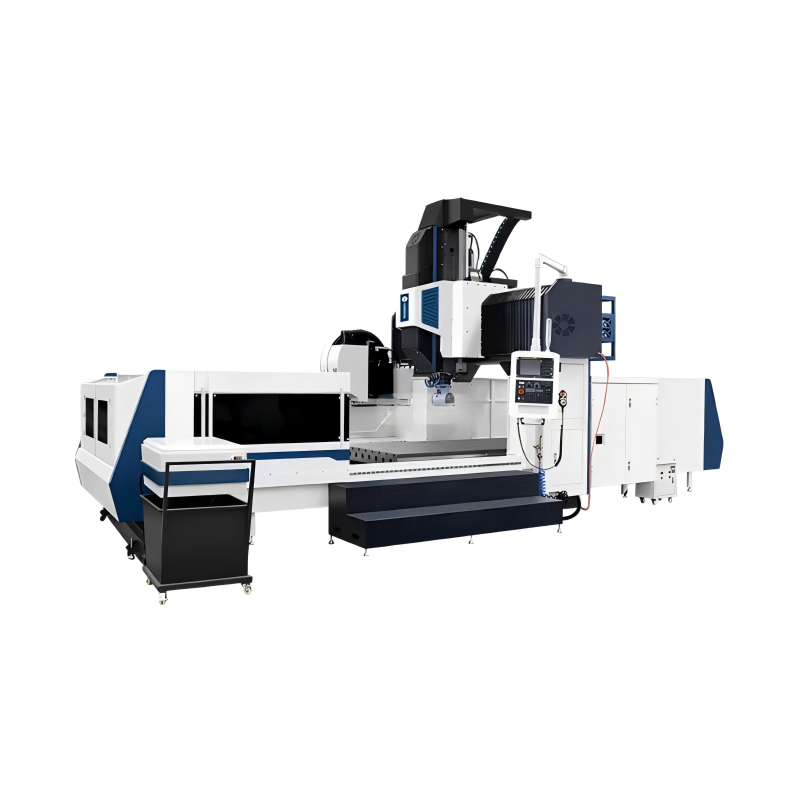
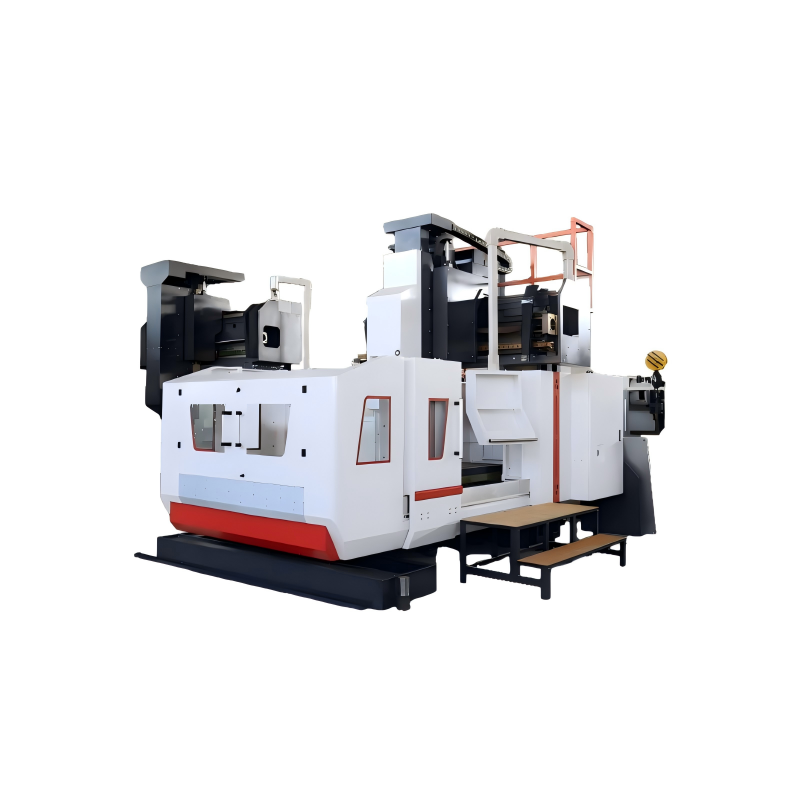
In recent years, China has emerged as a global leader in the manufacturing industry, with significant advancements being made particularly within the realm of CNC lathe machine technology. This report aims to explore the innovations that have propelled Chinese CNC Lathes into the forefront of international competition, highlighting key developments, their impact on the industry, and future prospects.
The journey of CNC lathe machine development in China is a testament to the country's commitment to technological innovation and industrial growth. Initially, the technology was imported from advanced nations, but over time, Chinese manufacturers have not only mastered the existing technologies but also introduced several improvements. One of the most notable advancements is the integration of artificial intelligence (AI) and machine learning (ML) algorithms, which have significantly enhanced the precision and efficiency of CNC lathes. These smart machines can now predict maintenance needs, optimize tool paths, and even adjust cutting parameters in real-time, leading to reduced downtime and improved productivity.
Several key innovations have played a pivotal role in advancing the capabilities of CNC lathe machines in China. First, the adoption of high-speed machining (HSM) techniques has enabled faster processing times without compromising on accuracy. HSM involves using higher spindle speeds and feed rates, which, when combined with advanced tooling and coolant systems, results in smoother finishes and more efficient material removal. Additionally, the use of multi-axis CNC lathes has allowed for the production of complex parts with greater ease. These machines can perform multiple operations simultaneously, reducing the need for manual setup changes and increasing overall throughput.
Another significant innovation is the implementation of Industry 4.0 principles, such as the Internet of Things (IoT) and cloud computing. By connecting CNC lathes to a centralized network, manufacturers can monitor and control their machines remotely, gather real-time data, and make informed decisions. This connectivity also facilitates predictive maintenance, where sensors and analytics software can detect potential issues before they lead to costly breakdowns. Furthermore, the use of additive manufacturing (AM) technologies, such as 3D printing, in conjunction with traditional subtractive methods, has opened up new possibilities for hybrid manufacturing processes, enabling the creation of highly customized and intricate components.
The advancements in CNC lathe machine technology in China have had a profound impact on the global manufacturing landscape. Chinese manufacturers are now able to produce high-precision, high-quality parts at competitive prices, making them a preferred choice for many international companies. This has led to an increase in exports and a growing presence in global markets. Moreover, the cost-effectiveness and reliability of Chinese CNC lathes have attracted investments from both domestic and foreign enterprises, fostering a robust ecosystem of suppliers, integrators, and end-users. The result is a vibrant and dynamic industry that continues to push the boundaries of what is possible in machining technology.
However, the rise of Chinese CNC lathes has also posed challenges to traditional manufacturing hubs, such as Germany and Japan. These countries have long been known for their precision engineering and advanced machinery, but the rapid progress in China has forced them to innovate and adapt to remain competitive. In response, many of these nations have increased their focus on research and development, aiming to maintain their technological edge through continuous improvement and the introduction of next-generation solutions.
As the world becomes increasingly aware of the importance of sustainability, the CNC lathe machine industry in China is also taking steps to reduce its environmental footprint. One of the key areas of focus is energy efficiency. Modern CNC lathes are designed to consume less power while maintaining or even improving performance. This is achieved through the use of energy-efficient motors, optimized cooling systems, and intelligent power management features. Additionally, the adoption of eco-friendly materials and recycling programs has become more prevalent, helping to minimize waste and promote a circular economy.
Another aspect of sustainability is the reduction of emissions. Advanced filtration systems and enclosed work environments are being implemented to capture and filter out harmful particles and fumes generated during the machining process. This not only improves the working conditions for operators but also reduces the overall environmental impact of the manufacturing process. Furthermore, the use of renewable energy sources, such as solar and wind power, is being explored to further reduce the carbon footprint of CNC lathe operations.
Looking ahead, the future of CNC lathe machine technology in China appears promising, with several emerging trends and opportunities on the horizon. One of the most exciting developments is the integration of augmented reality (AR) and virtual reality (VR) technologies. These tools can be used for training, simulation, and remote assistance, providing a more immersive and intuitive way to interact with CNC lathes. This could lead to a more skilled workforce and more efficient troubleshooting and maintenance processes.
However, there are also challenges that need to be addressed. The ongoing trade tensions and geopolitical uncertainties pose risks to the supply chain and export markets. Additionally, the rapid pace of technological change requires continuous investment in R&D and workforce training to stay ahead of the curve. Ensuring the security and integrity of connected CNC lathes is another critical concern, as cyber threats can have severe consequences for both manufacturers and end-users.
In conclusion, the innovations in CNC lathe machine technology in China have transformed the industry, driving it towards greater precision, efficiency, and sustainability. As the country continues to invest in R&D and embrace new technologies, it is well-positioned to maintain its leadership in the global manufacturing landscape. However, addressing the challenges and ensuring a stable and secure environment will be crucial for sustained success in the years to come.
 04/06/2026
The advancement in CNC lathe machine technology within China has marked a significant leap forward in the manufacturing sector, underlining the country's commitment to innovation and precision. This report delves into the transformative impact of Chinese
Read More04/06/2026China has emerged as a leading player in the global manufacturing sector, with its CNC lathe machines gaining significant recognition for their efficiency, precision, and cost-effectiveness. This report delves into how CNC lathe machines from China are re
Read More04/06/2026Exploring the capabilities of a modern vertical machining center, this report delves into the advanced features and functionalities that make these machines indispensable in today's manufacturing industry. The discussion will cover the integration of CNC
Read More04/06/2026The advancement of manufacturing technology has led to the increased use of CNC (Computer Numerical Control) machines in various industries. Among these, the CNC horizontal lathe machine stands out as a key player in modern production lines. This report e
Read More04/06/2026In the rapidly evolving world of manufacturing, precision and efficiency are paramount. Among the many tools that have revolutionized the industry, the CNC lathe machine China stands out as a versatile and indispensable asset. This guide aims to provide a
Read More04/06/2026When it comes to selecting a high-quality CNC lathe machine from China, there are several key features that buyers should consider. These machines, known for their precision and efficiency, have become indispensable in various manufacturing industries. In
Read More03/06/2026In the modern manufacturing landscape, CNC (Computer Numerical Control) lathe machines have emerged as essential tools for achieving high levels of precision and efficiency. Originating from China, these advanced machines are transforming industries by en
Read More03/06/2026With the rapid advancement in manufacturing technologies, CNC (Computer Numerical Control) lathe machines have become an indispensable part of modern production lines. When it comes to sourcing these sophisticated pieces of equipment, many companies turn
Read More02/06/2026The evolution of CNC (Computer Numerical Control) lathe machines in China has been nothing short of remarkable. As a powerhouse in the global manufacturing industry, Chinese manufacturers have continuously pushed the boundaries of innovation, leading to s
Read More02/06/2026The rapid development of China's manufacturing industry over the past few decades has been a significant driver of the country’s economic growth. Among the many technological advancements that have contributed to this success, CNC (Computer Numerical Cont
Read More02/06/2026In recent years, the advancements in manufacturing technology have led to a significant rise in the demand for high-precision and efficient machinery. One of the key players in this domain is the CNC lathe machine, which has become indispensable in variou
Read More02/06/2026As the global manufacturing industry continues to evolve, the adoption of advanced machinery such as CNC lathe machines from China has become increasingly popular. These machines offer precision, efficiency, and versatility, making them an essential tool
Read More02/06/2026With the rapid advancement of manufacturing technologies, CNC lathe machines from China have become a crucial component in modern production processes. These machines not only offer high precision and efficiency but also provide cost-effective solutions f
Read More02/06/2026Understanding the CNC Lathe Machine Market in ChinaThe Chinese market for cnc lathe machine china is one of the most dynamic and rapidly evolving, thanks to advancements in manufacturing technology and a robust industrial base. When considering purchasing
Read More02/06/2026China has emerged as a leading player in the global manufacturing industry, with its advancements in CNC (Computer Numerical Control) lathe machine technology playing a crucial role. The evolution of CNC lathe technology in China is a testament to the cou
Read More02/06/2026Choosing the right CNC lathe machine for your workshop is a critical decision that can significantly impact productivity, efficiency, and overall business performance. With the rapid advancement of technology, CNC lathes have become more sophisticated, of
Read More02/06/2026China has emerged as a significant player in the global manufacturing sector, particularly with its advancements in CNC (Computer Numerical Control) lathe machines. These machines, designed and produced within China, have garnered attention for their comp
Read More02/06/2026In the realm of modern manufacturing, the role of CNC lathe machine China has become increasingly significant. This article delves into the advantages that these machines bring to the table, highlighting their impact on productivity, precision, and overal
Read More02/06/2026China has emerged as a global leader in the manufacturing of CNC (Computer Numerical Control) lathe machines, transforming industries worldwide with its innovative technologies and cost-effective solutions. This report delves into how China's advancements
Read More02/06/2026The rapid advancement of technology has significantly transformed the manufacturing industry, with CNC (Computer Numerical Control) lathe machines playing a pivotal role in this transformation. Originating from China and spreading globally, these machines
Read More02/06/2026Understanding the Basics of CNC Lathe MachinesBefore delving into the specifics of choosing a CNC lathe machine China supplier, it's crucial to understand what these machines are and how they function. A Computer Numerical Control (CNC) lathe is an automa
Read More02/06/2026In the realm of modern manufacturing, the adoption of advanced technologies has become a necessity rather than an option. One such technology that has revolutionized the industry is the CNC (Computer Numerical Control) lathe machine. Originating from and
Read MoreOur professional sales team is always ready to assist you.