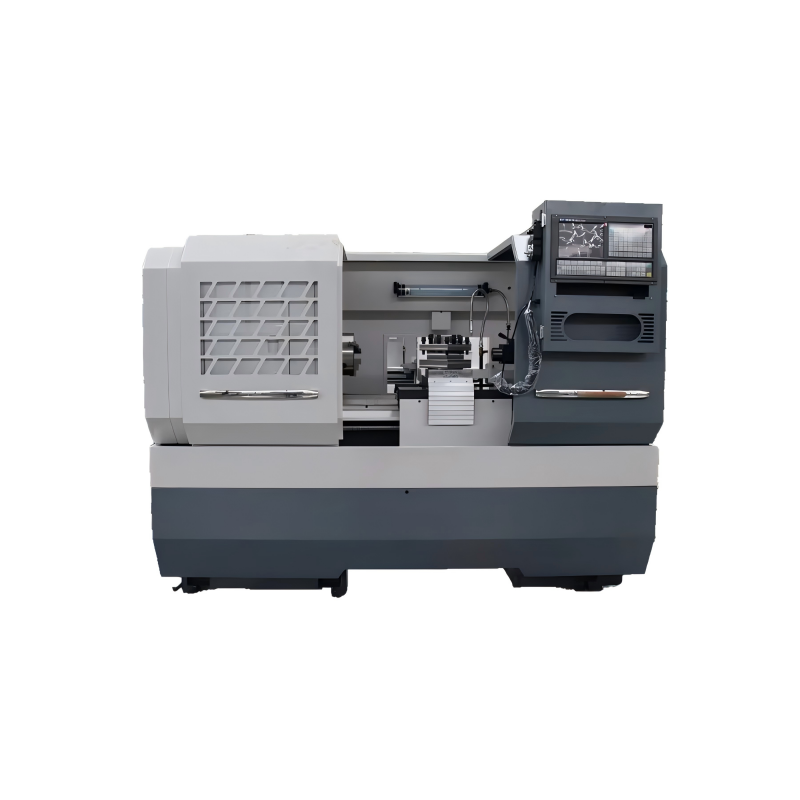
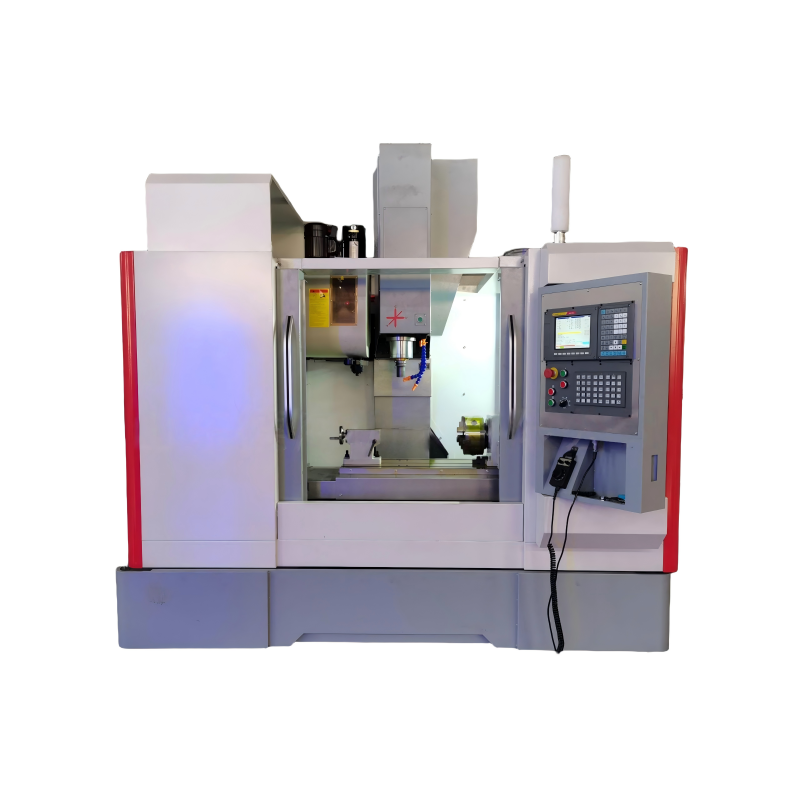
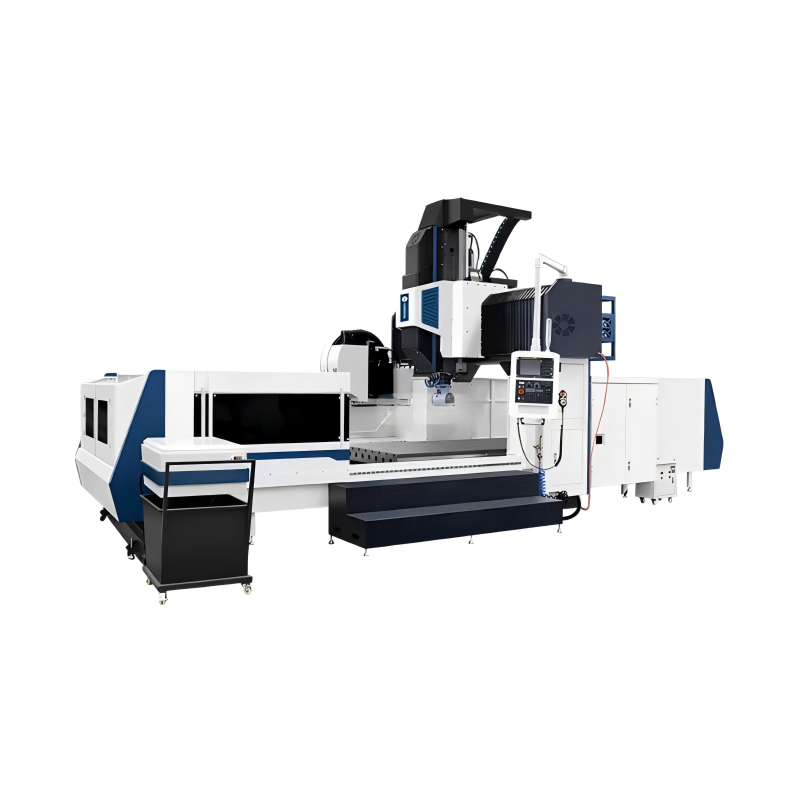
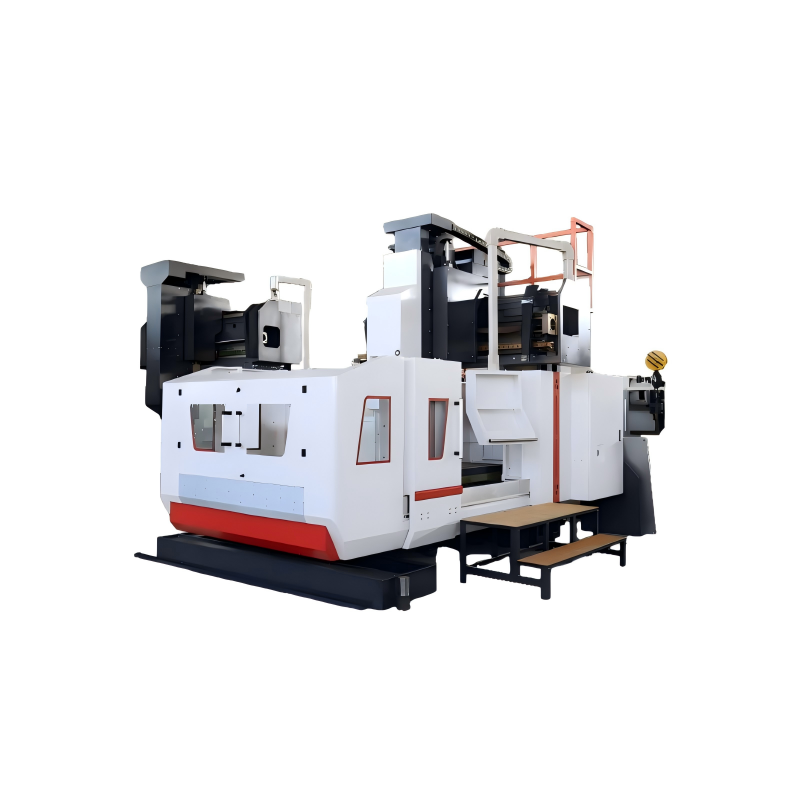
The rapid development of China's manufacturing industry over the past few decades has been a significant driver of the country’s economic growth. Among the many technological advancements that have contributed to this success, CNC (Computer Numerical Control) lathe machines stand out as a pivotal element. These sophisticated pieces of equipment have revolutionized the way parts are machined, enabling higher precision, increased efficiency, and greater flexibility in production processes. This report delves into the role of CNC Lathe machines in China's industrial growth, exploring their impact on various sectors and the broader economy.
The journey of CNC lathe machines in China began with the introduction of these technologies from advanced countries in the late 20th century. Initially, the adoption was slow due to high costs and a lack of skilled labor. However, as the Chinese government recognized the potential of CNC technology, it invested heavily in research and development, as well as in training programs for workers. By the early 2000s, domestic manufacturers started producing their own CNC lathe machines, which were more affordable and tailored to local needs. This marked the beginning of a new era in China's manufacturing sector, where CNC lathe machines became increasingly prevalent across various industries.
Today, China is not only a major consumer of CNC lathe machines but also a significant producer. Companies like Dalian Machine Tool Group and Shenyang Machine Tool Group have become global players, exporting their products to markets around the world. The evolution of CNC lathe machines in China reflects the country's commitment to technological innovation and its ability to adapt to changing market demands.
One of the most significant advantages of CNC lathe machines is their ability to achieve high levels of precision and consistency. Unlike traditional manual lathes, CNC lathes are controlled by computer programs that can execute complex operations with minimal human intervention. This results in parts that meet exact specifications, reducing the likelihood of errors and improving overall quality. In the context of China's manufacturing industry, this has been particularly beneficial for sectors such as automotive, aerospace, and electronics, where even the slightest deviation can have serious consequences.
Beyond precision, CNC lathe machines also enhance efficiency. They can operate 24/7, significantly increasing production capacity without a proportional increase in labor costs. Additionally, the use of automation and digital tools allows for better monitoring and control of the manufacturing process, leading to optimized workflows and reduced downtime. For example, in the automotive industry, CNC lathe machines have enabled the mass production of high-precision components, contributing to the rapid growth of China's car manufacturing sector.
CNC lathe machines have played a crucial role in driving innovation within China's manufacturing industry. The flexibility of these machines allows for the production of complex and customized parts, which is essential for industries that require specialized components. For instance, in the aerospace sector, CNC lathes are used to manufacture intricate parts for aircraft engines and other critical systems. The ability to produce these parts with high accuracy and at scale has been a key factor in China's growing presence in the global aerospace market.
Moreover, the integration of advanced technologies such as artificial intelligence (AI) and the Internet of Things (IoT) with CNC lathe machines has further enhanced their capabilities. Smart CNC lathes can collect and analyze data in real-time, enabling predictive maintenance and continuous improvement. This not only improves the reliability of the machines but also helps manufacturers stay competitive by reducing waste and optimizing resource utilization.
The widespread adoption of CNC lathe machines has had a profound economic impact on China. It has created new job opportunities, both in the manufacturing sector and in related fields such as software development and engineering. Additionally, the growth of the CNC lathe machine industry has led to the development of a robust supply chain, supporting numerous small and medium-sized enterprises (SMEs) that provide components and services. This has helped to distribute the benefits of industrial growth more broadly across the economy.
Looking ahead, the future prospects for CNC lathe machines in China are promising. As the country continues to invest in advanced manufacturing technologies, the demand for high-precision and efficient machining solutions is expected to grow. Furthermore, the ongoing shift towards Industry 4.0 and smart manufacturing will likely drive further innovations in CNC lathe machine technology. This includes the development of more intelligent and connected machines that can seamlessly integrate with other manufacturing systems, enhancing the overall productivity and competitiveness of China's manufacturing sector.
In conclusion, CNC lathe machines have been a cornerstone of China's industrial growth, contributing to the country's rise as a global manufacturing powerhouse. Their ability to enhance precision, efficiency, and innovation has made them indispensable in various industries, from automotive to aerospace. As China continues to advance in the realm of advanced manufacturing, the role of CNC lathe machines is set to become even more critical. The ongoing investments in research and development, along with the integration of cutting-edge technologies, will ensure that China remains at the forefront of global manufacturing for years to come.
 04/06/2026
The advancement in CNC lathe machine technology within China has marked a significant leap forward in the manufacturing sector, underlining the country's commitment to innovation and precision. This report delves into the transformative impact of Chinese
Read More04/06/2026China has emerged as a leading player in the global manufacturing sector, with its CNC lathe machines gaining significant recognition for their efficiency, precision, and cost-effectiveness. This report delves into how CNC lathe machines from China are re
Read More04/06/2026Exploring the capabilities of a modern vertical machining center, this report delves into the advanced features and functionalities that make these machines indispensable in today's manufacturing industry. The discussion will cover the integration of CNC
Read More04/06/2026The advancement of manufacturing technology has led to the increased use of CNC (Computer Numerical Control) machines in various industries. Among these, the CNC horizontal lathe machine stands out as a key player in modern production lines. This report e
Read More04/06/2026In the rapidly evolving world of manufacturing, precision and efficiency are paramount. Among the many tools that have revolutionized the industry, the CNC lathe machine China stands out as a versatile and indispensable asset. This guide aims to provide a
Read More04/06/2026When it comes to selecting a high-quality CNC lathe machine from China, there are several key features that buyers should consider. These machines, known for their precision and efficiency, have become indispensable in various manufacturing industries. In
Read More03/06/2026In the modern manufacturing landscape, CNC (Computer Numerical Control) lathe machines have emerged as essential tools for achieving high levels of precision and efficiency. Originating from China, these advanced machines are transforming industries by en
Read More03/06/2026With the rapid advancement in manufacturing technologies, CNC (Computer Numerical Control) lathe machines have become an indispensable part of modern production lines. When it comes to sourcing these sophisticated pieces of equipment, many companies turn
Read More02/06/2026The evolution of CNC (Computer Numerical Control) lathe machines in China has been nothing short of remarkable. As a powerhouse in the global manufacturing industry, Chinese manufacturers have continuously pushed the boundaries of innovation, leading to s
Read More02/06/2026In recent years, the advancements in manufacturing technology have led to a significant rise in the demand for high-precision and efficient machinery. One of the key players in this domain is the CNC lathe machine, which has become indispensable in variou
Read More02/06/2026As the global manufacturing industry continues to evolve, the adoption of advanced machinery such as CNC lathe machines from China has become increasingly popular. These machines offer precision, efficiency, and versatility, making them an essential tool
Read More02/06/2026With the rapid advancement of manufacturing technologies, CNC lathe machines from China have become a crucial component in modern production processes. These machines not only offer high precision and efficiency but also provide cost-effective solutions f
Read More02/06/2026Understanding the CNC Lathe Machine Market in ChinaThe Chinese market for cnc lathe machine china is one of the most dynamic and rapidly evolving, thanks to advancements in manufacturing technology and a robust industrial base. When considering purchasing
Read More02/06/2026China has emerged as a leading player in the global manufacturing industry, with its advancements in CNC (Computer Numerical Control) lathe machine technology playing a crucial role. The evolution of CNC lathe technology in China is a testament to the cou
Read More02/06/2026Choosing the right CNC lathe machine for your workshop is a critical decision that can significantly impact productivity, efficiency, and overall business performance. With the rapid advancement of technology, CNC lathes have become more sophisticated, of
Read More02/06/2026China has emerged as a significant player in the global manufacturing sector, particularly with its advancements in CNC (Computer Numerical Control) lathe machines. These machines, designed and produced within China, have garnered attention for their comp
Read More02/06/2026In the realm of modern manufacturing, the role of CNC lathe machine China has become increasingly significant. This article delves into the advantages that these machines bring to the table, highlighting their impact on productivity, precision, and overal
Read More02/06/2026China has emerged as a global leader in the manufacturing of CNC (Computer Numerical Control) lathe machines, transforming industries worldwide with its innovative technologies and cost-effective solutions. This report delves into how China's advancements
Read More02/06/2026The rapid advancement of technology has significantly transformed the manufacturing industry, with CNC (Computer Numerical Control) lathe machines playing a pivotal role in this transformation. Originating from China and spreading globally, these machines
Read More02/06/2026Understanding the Basics of CNC Lathe MachinesBefore delving into the specifics of choosing a CNC lathe machine China supplier, it's crucial to understand what these machines are and how they function. A Computer Numerical Control (CNC) lathe is an automa
Read More02/06/2026In recent years, China has emerged as a global leader in the manufacturing industry, with significant advancements being made particularly within the realm of CNC lathe machine technology. This report aims to explore the innovations that have propelled Ch
Read More02/06/2026In the realm of modern manufacturing, the adoption of advanced technologies has become a necessity rather than an option. One such technology that has revolutionized the industry is the CNC (Computer Numerical Control) lathe machine. Originating from and
Read MoreOur professional sales team is always ready to assist you.