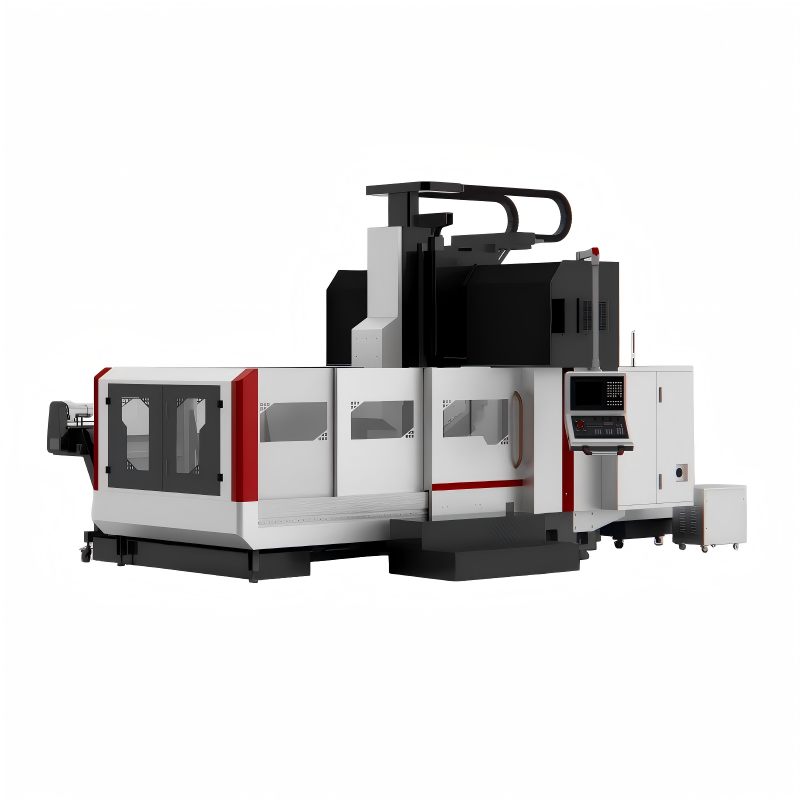
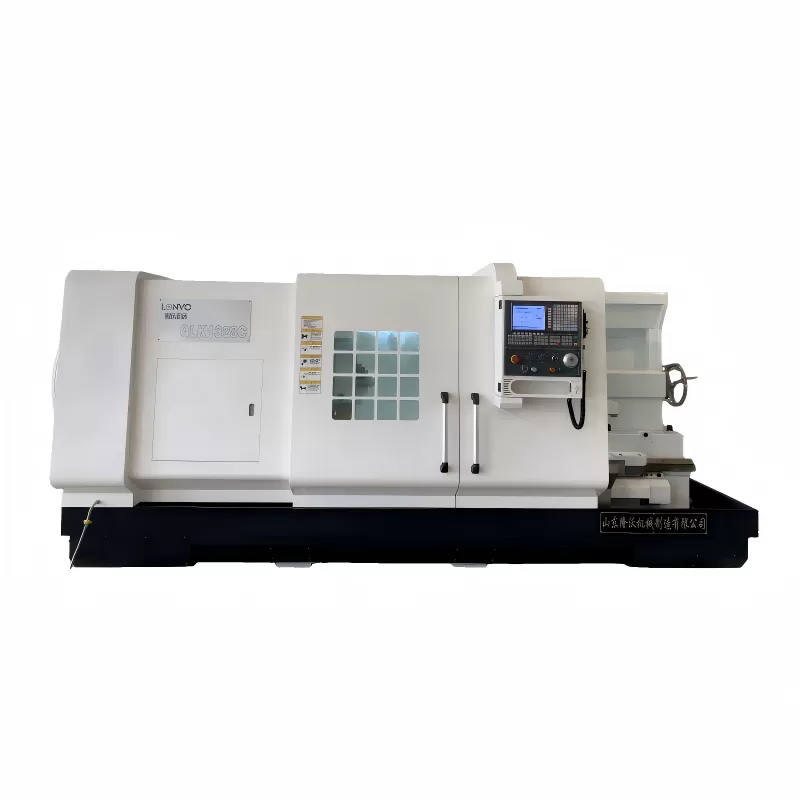
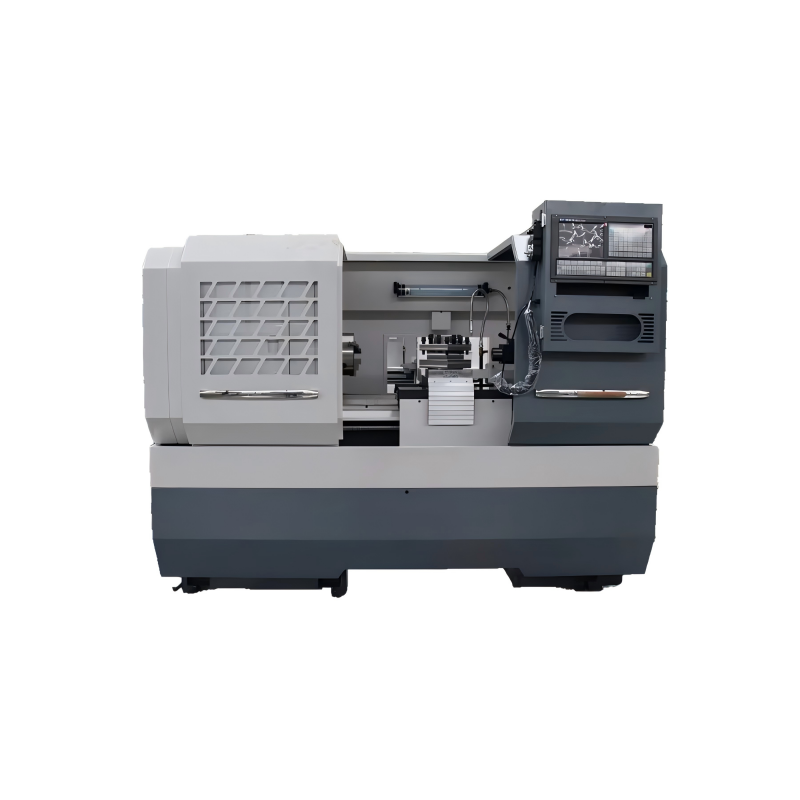
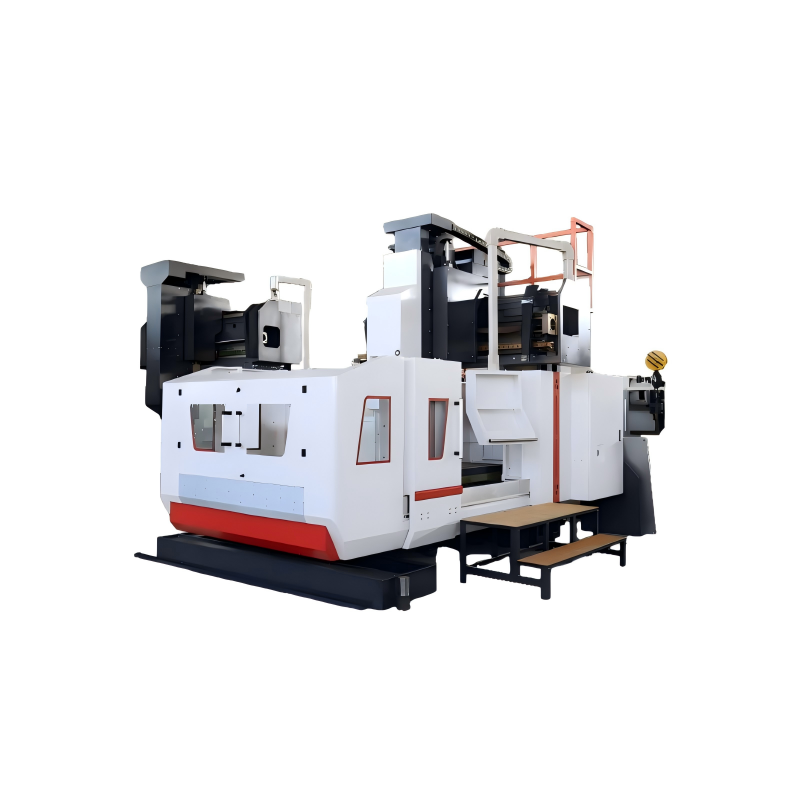
In the realm of manufacturing, precision is not just a preference but a necessity. A precision milling machine system stands out as a critical tool for achieving high-accuracy and efficiency in production processes. This report delves into how such systems can be leveraged to improve overall operational effectiveness. It explores the benefits of adopting advanced milling technologies, the role of software integration in enhancing performance, and strategies for maintenance and optimization. By understanding these aspects, manufacturers can significantly enhance their productivity, reduce costs, and maintain a competitive edge in the market.
The core advantage of a precision milling machine system lies in its ability to deliver highly accurate and repeatable results. Modern milling machines are equipped with advanced sensors and control systems that allow for micron-level precision. This level of accuracy is crucial in industries where even the slightest deviation can lead to significant quality issues. For instance, in the aerospace and medical device sectors, components must meet stringent tolerances to ensure safety and functionality. The use of precision milling technology ensures that these standards are consistently met, thereby reducing the risk of defects and rework.
Beyond accuracy, modern precision milling machine systems also offer substantial improvements in speed and efficiency. Advanced cutting tools and optimized machining processes enable faster material removal rates without compromising on quality. Additionally, multi-axis milling capabilities allow for complex geometries to be machined in a single setup, reducing the need for multiple setups and tool changes. This not only saves time but also minimizes the potential for errors that can occur during manual interventions. The result is a more streamlined and efficient production process, which can significantly boost throughput and reduce lead times.
The integration of CAD and CAM software with precision milling machine systems is a game-changer for modern manufacturing. CAD software allows designers to create detailed 3D models of parts, while CAM software translates these designs into precise machining instructions. This seamless integration ensures that the design intent is accurately translated into the final product. Moreover, CAM software can optimize tool paths and machining parameters, further enhancing the efficiency and accuracy of the milling process. By leveraging these tools, manufacturers can achieve greater flexibility and adaptability, allowing them to respond quickly to changing customer demands and market conditions.
Another key aspect of software integration is the ability to monitor and analyze data in real-time. Many precision milling machine systems now come equipped with sensors and data collection capabilities that provide valuable insights into machine performance and process conditions. Real-time monitoring allows operators to detect and address issues before they become major problems, reducing downtime and improving overall equipment effectiveness. Furthermore, data analytics can help identify trends and patterns, enabling continuous improvement and predictive maintenance. By harnessing the power of data, manufacturers can make informed decisions, optimize their operations, and drive innovation.
To ensure the long-term reliability and performance of a precision milling machine system, regular maintenance and calibration are essential. Routine checks and servicing can help identify and address wear and tear, ensuring that the machine remains in optimal condition. Calibration is particularly important, as it ensures that the machine continues to operate within specified tolerances. Regular maintenance also includes cleaning, lubrication, and replacing worn-out parts. By following a structured maintenance schedule, manufacturers can extend the lifespan of their milling machines and minimize the risk of unexpected breakdowns, which can lead to costly downtime and production delays.
Finally, the success of a precision milling machine system also depends on the skills and knowledge of the operators. Comprehensive training programs should be implemented to ensure that operators are proficient in using the machine and its associated software. Training should cover not only the technical aspects of operating the machine but also best practices for maintaining and optimizing its performance. Operators who are well-trained and knowledgeable are better equipped to handle the complexities of precision milling, leading to higher quality output and more efficient operations. Additionally, fostering a culture of continuous learning and improvement can help manufacturers stay at the forefront of technological advancements and maintain a competitive edge in the industry.
Our professional sales team is always ready to assist you.