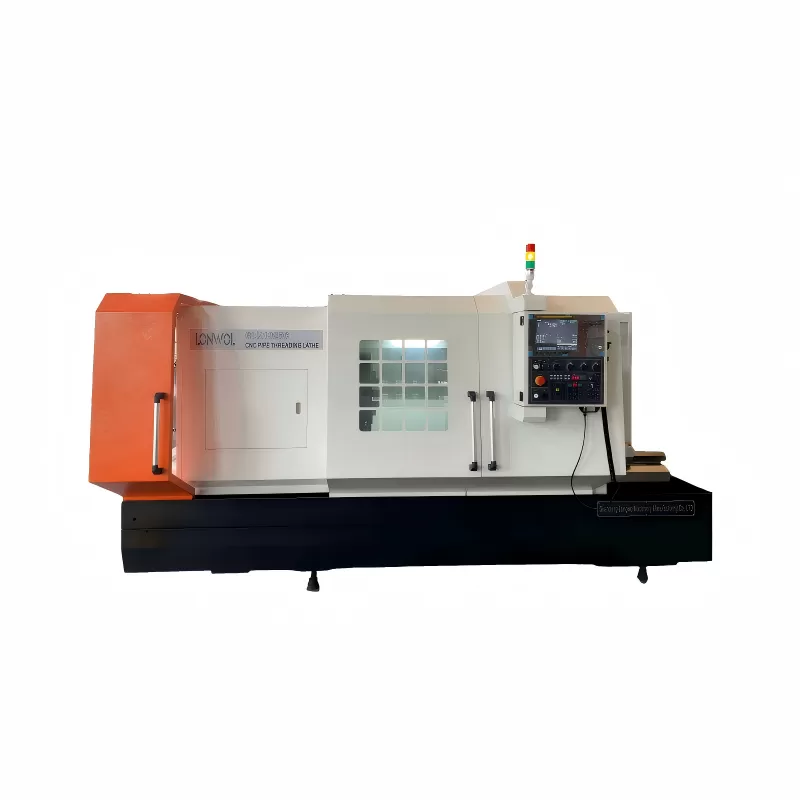
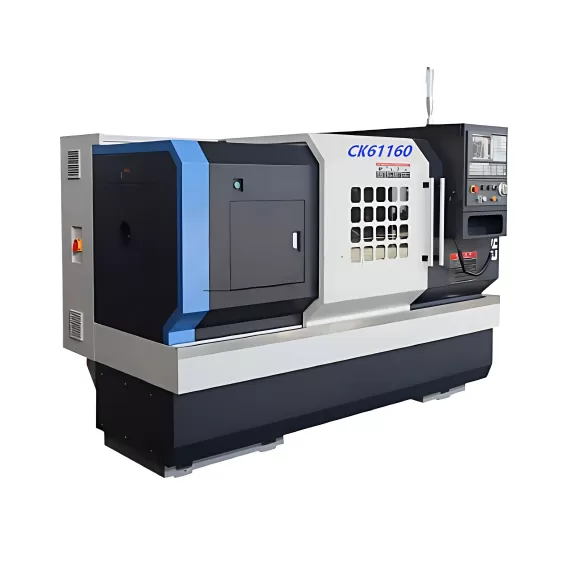
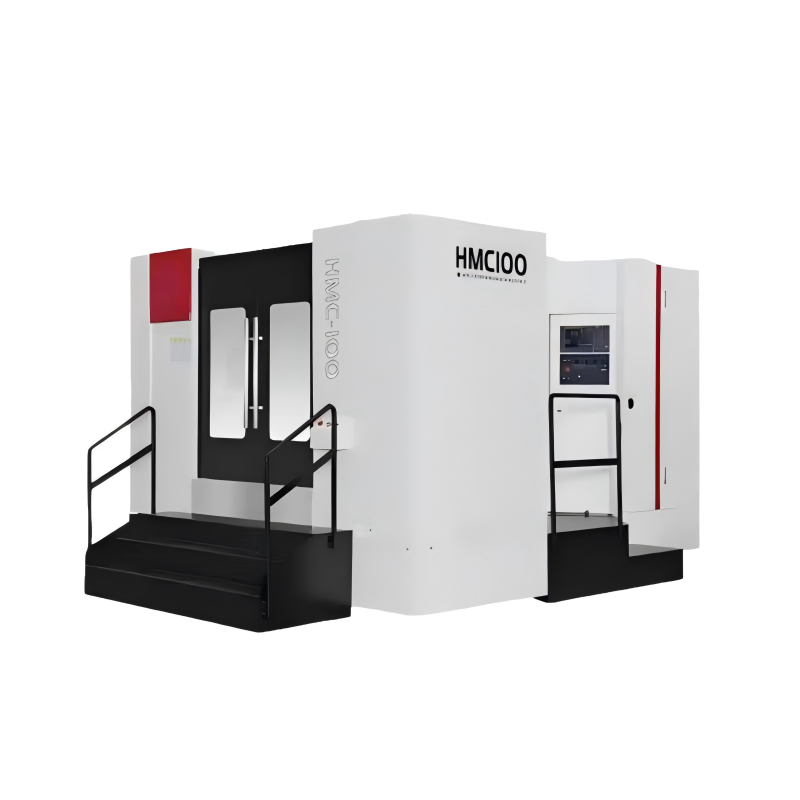
In the realm of modern manufacturing, precision milling machine systems play a crucial role in producing high-accuracy components. The integration of advanced software into these systems has revolutionized the way parts are designed, manufactured, and inspected. This technical report explores the pivotal role that advanced software plays in enhancing the capabilities of precision milling machines. It delves into how software-driven solutions improve operational efficiency, enhance machining accuracy, and enable real-time monitoring and diagnostics. By examining these aspects, we aim to provide a comprehensive understanding of the impact of advanced software on the performance and reliability of precision milling machine systems.
Advanced software in precision milling machine systems enables the generation of optimized tool paths, which significantly reduce machining time and material waste. These software tools use sophisticated algorithms to calculate the most efficient path for the cutting tool, taking into account factors such as tool geometry, material properties, and desired surface finish. By minimizing unnecessary movements and optimizing cutting strategies, the software ensures that the milling process is as efficient as possible, leading to faster production cycles and lower operational costs.
Another key aspect of enhancing operational efficiency is the automation of setup and calibration processes. Advanced software can automatically configure the precision milling machine system based on the specific requirements of the job. This includes setting up the correct tooling, adjusting spindle speeds, and calibrating the machine to ensure precise alignment. Automated setup not only saves time but also reduces the risk of human error, ensuring consistent and reliable performance across multiple operations.
The use of advanced software in precision milling machine systems allows for the creation of highly accurate Computer Numerical Control (CNC) programs. These programs are essential for controlling the movements of the machine and ensuring that the final product meets the required specifications. Advanced software tools offer features such as 3D simulation, collision detection, and automatic code optimization, which help in identifying and correcting potential errors before the actual machining process begins. This level of precision is critical for applications where even the slightest deviation can result in defective parts.
One of the most significant advancements in precision milling machine systems is the ability to perform real-time error compensation. Advanced software continuously monitors the machine's performance and makes adjustments to compensate for any deviations from the intended path. This is particularly important in long-duration machining operations where thermal expansion or mechanical wear can affect the accuracy of the machine. By dynamically adjusting the tool path and other parameters, the software ensures that the final part meets the required tolerances, even under varying conditions.
Advanced software in precision milling machine systems provides real-time data collection and analysis, offering valuable insights into the machine's performance. Sensors and monitoring devices integrated into the system collect data on various parameters such as temperature, vibration, and tool wear. This data is then processed by the software to generate reports and visualizations that help operators understand the current state of the machine and identify potential issues before they become critical. Data-driven insights enable proactive maintenance, reducing downtime and extending the lifespan of the machine.
Building on the data collected, advanced software can also implement predictive maintenance strategies. By analyzing historical data and using machine learning algorithms, the software can predict when maintenance is likely to be needed. This approach allows for scheduled maintenance activities, which can be performed during planned downtime, rather than causing unexpected interruptions in production. Predictive maintenance not only improves the reliability of the precision milling machine system but also helps in optimizing maintenance costs and resource allocation.
 04/06/2026
In the realm of manufacturing, precision is not just a preference but a necessity. A precision milling machine system stands at the heart of this requirement, offering solutions that are both accurate and efficient for a wide range of applications. This g
Read More04/06/2026In today's rapidly evolving manufacturing landscape, the integration of advanced technologies into precision milling machine systems has become a critical factor for enhancing operational efficiency and product quality. This technical report explores how
Read More04/06/2026In the realm of modern manufacturing, precision milling machines play a crucial role in producing high-accuracy components. The integration of advanced software into these systems has revolutionized how milling operations are conducted, enhancing not only
Read More04/06/2026In today's fast-paced manufacturing environment, the integration of a precision milling machine system can significantly enhance the efficiency and output quality of production lines. This technical report explores how such a system not only improves the
Read More04/06/2026In the rapidly evolving landscape of modern manufacturing, precision milling machine systems have emerged as a cornerstone technology, offering unparalleled accuracy and efficiency. This report delves into the advantages that precision milling brings to t
Read MoreOur professional sales team is always ready to assist you.