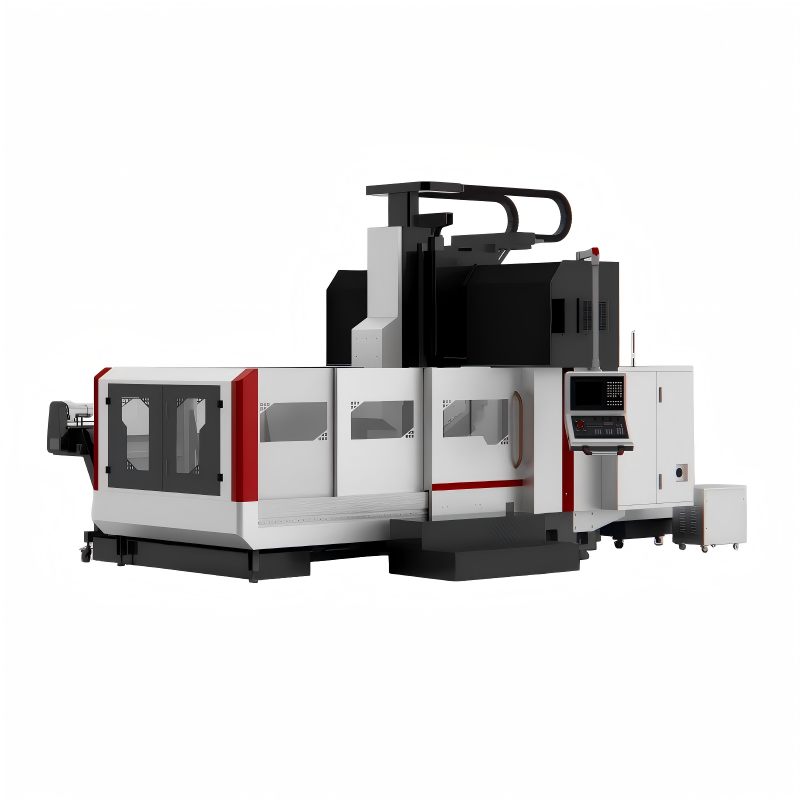
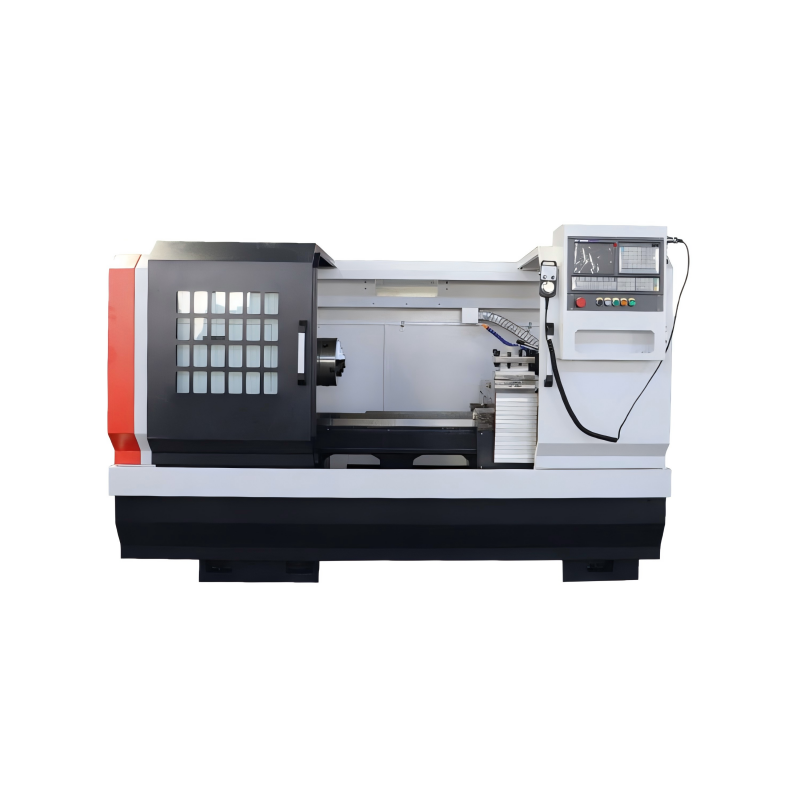
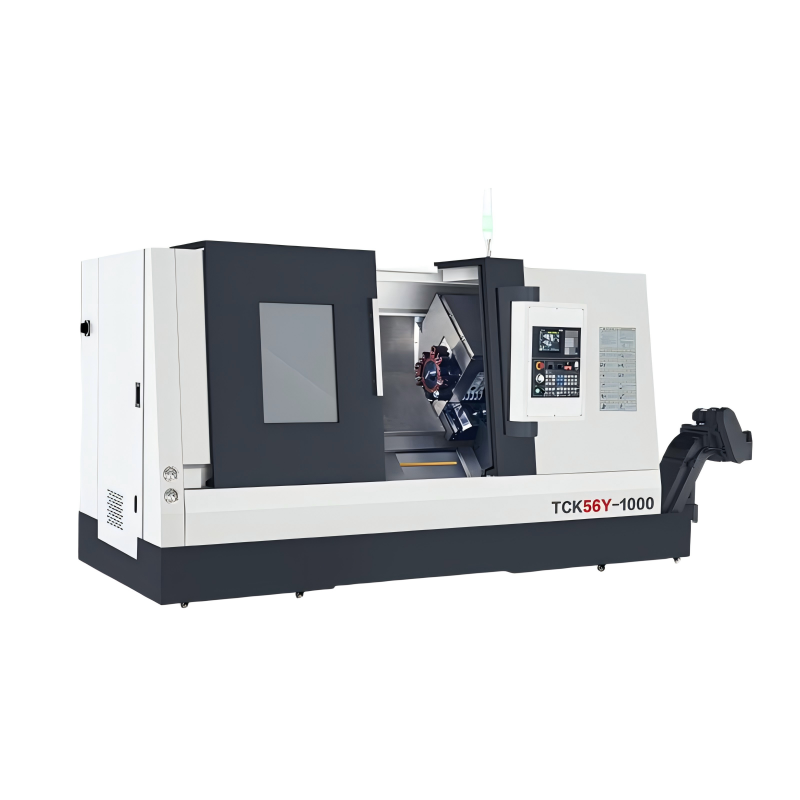
In the rapidly evolving landscape of manufacturing, the integration of advanced technologies such as multi-axis CNC workcells is reshaping the industry. These sophisticated systems are not only enhancing productivity and precision but also enabling manufacturers to tackle more complex and intricate designs. This report delves into the future of manufacturing by exploring the capabilities and potential of multi-axis CNC workcells, highlighting their role in driving innovation, improving efficiency, and meeting the demands of modern manufacturing environments.
One of the most significant advantages of multi-axis CNC workcells is their ability to achieve unparalleled precision in the production of complex parts. Traditional 3-axis machines are limited in their range of motion, often requiring multiple setups and manual adjustments to complete a single part. In contrast, multi-axis CNC workcells can perform operations on five or more axes simultaneously, reducing the need for repositioning and minimizing the risk of human error. This capability is particularly valuable in industries such as aerospace, where even the slightest deviation can have catastrophic consequences. By leveraging the enhanced accuracy of multi-axis CNC workcells, manufacturers can produce parts with tighter tolerances, ensuring that they meet the stringent requirements of high-precision applications.
The flexibility offered by multi-axis CNC workcells extends beyond just precision. These machines enable designers to push the boundaries of what is possible, allowing for the creation of parts with complex geometries that would be impractical or impossible to manufacture using traditional methods. For example, multi-axis machining can produce intricate internal features, undercuts, and deep cavities, all in a single setup. This not only simplifies the manufacturing process but also reduces the overall cost and lead time. Additionally, the ability to machine parts from multiple angles without the need for repositioning means that designers can focus on optimizing the design for performance rather than manufacturability. As a result, multi-axis CNC workcells are becoming an essential tool for engineers and designers looking to create innovative and high-performance products.
Multi-axis CNC workcells significantly reduce the setup time required for machining operations. With traditional 3-axis machines, each new operation often requires a new setup, which can be time-consuming and labor-intensive. In contrast, multi-axis CNC workcells can perform multiple operations in a single setup, eliminating the need for frequent repositioning and tool changes. This not only speeds up the production process but also reduces the amount of labor required, leading to substantial cost savings. Furthermore, the automation capabilities of these workcells allow for continuous operation with minimal human intervention, further enhancing efficiency and reducing labor costs.
Another key benefit of multi-axis CNC workcells is their ability to optimize material utilization. Traditional machining methods often result in significant material waste due to the limitations of the cutting tools and the need for multiple setups. Multi-axis CNC workcells, on the other hand, can approach the workpiece from multiple angles, allowing for more efficient use of the raw material. This not only reduces waste but also lowers the overall cost of production. Additionally, the ability to machine complex geometries in a single setup means that manufacturers can use smaller, more precise amounts of material, further contributing to cost savings. By optimizing material utilization, multi-axis CNC workcells help manufacturers achieve both economic and environmental benefits.
Multi-axis CNC workcells are designed to seamlessly integrate with existing manufacturing systems, making them a versatile addition to any production environment. These workcells can be easily connected to other machines, such as robotic arms and conveyors, to create a fully automated production line. This integration allows for the smooth flow of materials and components through the manufacturing process, reducing bottlenecks and improving overall efficiency. Additionally, multi-axis CNC workcells can be equipped with advanced software and sensors that enable real-time monitoring and control, ensuring that the entire system operates at optimal levels. The ability to integrate with other systems also makes it easier to implement Industry 4.0 technologies, such as the Internet of Things (IoT) and artificial intelligence (AI), further enhancing the capabilities of the workcell.
Automation is a critical component of modern manufacturing, and multi-axis CNC workcells are at the forefront of this trend. These workcells can be programmed to perform a wide range of tasks, from simple drilling and milling operations to complex contouring and finishing. The advanced automation capabilities of multi-axis CNC workcells enable manufacturers to achieve high levels of consistency and quality, as well as to increase production volumes. Additionally, the use of automation reduces the likelihood of human error, which is a common source of defects and rework. By automating the machining process, manufacturers can ensure that each part is produced to the exact specifications, leading to higher customer satisfaction and reduced scrap rates. The combination of advanced software, sensors, and automation technologies makes multi-axis CNC workcells a powerful tool for achieving high levels of productivity and quality.
The future of multi-axis CNC workcells lies in the continued development of advanced software and control systems. These innovations will enable even greater precision, flexibility, and automation, allowing manufacturers to push the boundaries of what is possible. For example, the integration of AI and machine learning algorithms can enhance the predictive maintenance capabilities of these workcells, reducing downtime and extending the lifespan of the equipment. Additionally, the use of augmented reality (AR) and virtual reality (VR) can provide operators with real-time visualizations of the machining process, making it easier to monitor and control. These advancements will not only improve the performance of multi-axis CNC workcells but also make them more accessible and user-friendly, enabling a wider range of manufacturers to benefit from their capabilities.
As the manufacturing industry becomes increasingly focused on sustainability, multi-axis CNC workcells are playing a crucial role in reducing the environmental impact of production. These workcells are highly efficient, consuming less energy and producing less waste compared to traditional machining methods. Additionally, the ability to optimize material utilization and reduce scrap rates contributes to a more sustainable manufacturing process. In the future, we can expect to see even more innovations in this area, such as the use of renewable energy sources to power multi-axis CNC workcells and the development of eco-friendly cutting fluids. By embracing these sustainable practices, manufacturers can not only reduce their environmental footprint but also improve their bottom line, as consumers and regulators increasingly demand greener and more responsible manufacturing processes.
 04/06/2026
With the rapid advancements in manufacturing technology, multi-axis CNC workcells have emerged as a game-changer, transforming industries by enhancing productivity, precision, and flexibility. These advanced systems are capable of performing complex opera
Read More04/06/2026In the realm of modern manufacturing, multi-axis CNC workcells have emerged as a transformative force, reshaping how products are designed and produced. These advanced systems, which combine multiple axes of motion with computer numerical control (CNC), o
Read More04/06/2026In the realm of advanced manufacturing, the multi-axis CNC workcell stands out as a beacon of precision and flexibility. This technology integrates multiple axes of movement, allowing for complex geometries to be machined with unparalleled accuracy. The m
Read More04/06/2026In today's competitive manufacturing landscape, maximizing efficiency is crucial for staying ahead. A multi-axis CNC workcell offers a powerful solution to enhance productivity and precision. This report explores the benefits of integrating a multi-axis C
Read More04/06/2026In the rapidly evolving landscape of manufacturing, multi-axis CNC (Computer Numerical Control) workcells are emerging as a transformative force. These advanced systems offer unparalleled precision, flexibility, and efficiency, making them indispensable i
Read More04/06/2026In today's manufacturing landscape, the selection of an appropriate multi-axis CNC workcell is critical for enhancing productivity, precision, and flexibility. This technical report aims to guide manufacturers through the process of choosing the right mul
Read More04/06/2026In today's fast-paced manufacturing environment, the integration of a multi-axis CNC workcell can significantly enhance productivity and efficiency. This report delves into how adopting such advanced machinery not only optimizes production processes but a
Read More04/06/2026In the rapidly evolving landscape of precision machining, the multi-axis CNC workcell stands out as a transformative technology. This advanced manufacturing solution not only enhances the efficiency and accuracy of production processes but also opens up n
Read More04/06/2026In the rapidly evolving landscape of modern manufacturing, the integration of multi-axis CNC workcells has become a game-changer. These advanced systems offer unparalleled precision, flexibility, and efficiency, enabling manufacturers to produce complex p
Read MoreOur professional sales team is always ready to assist you.