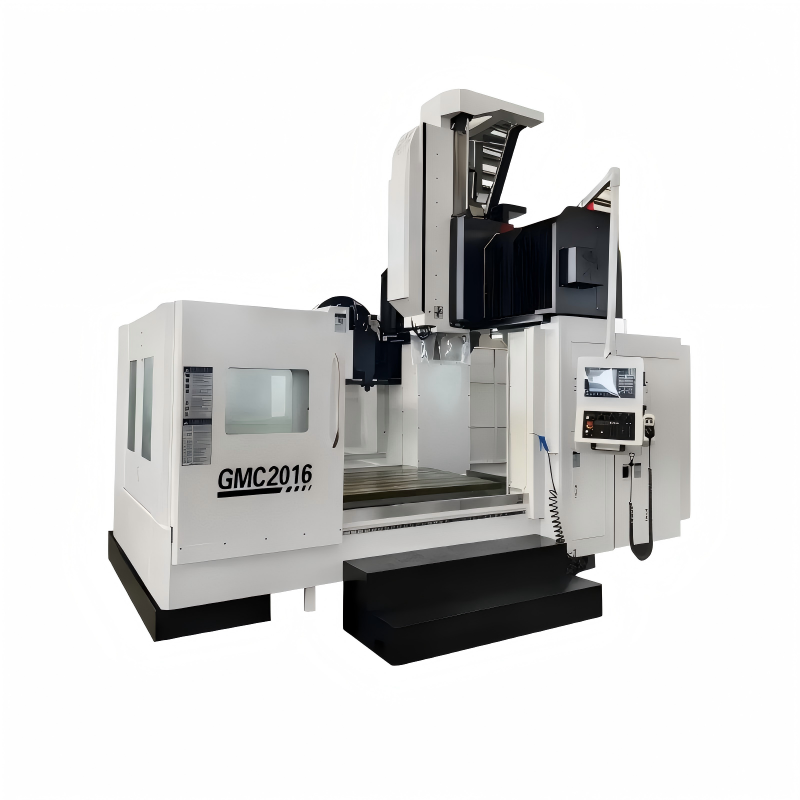
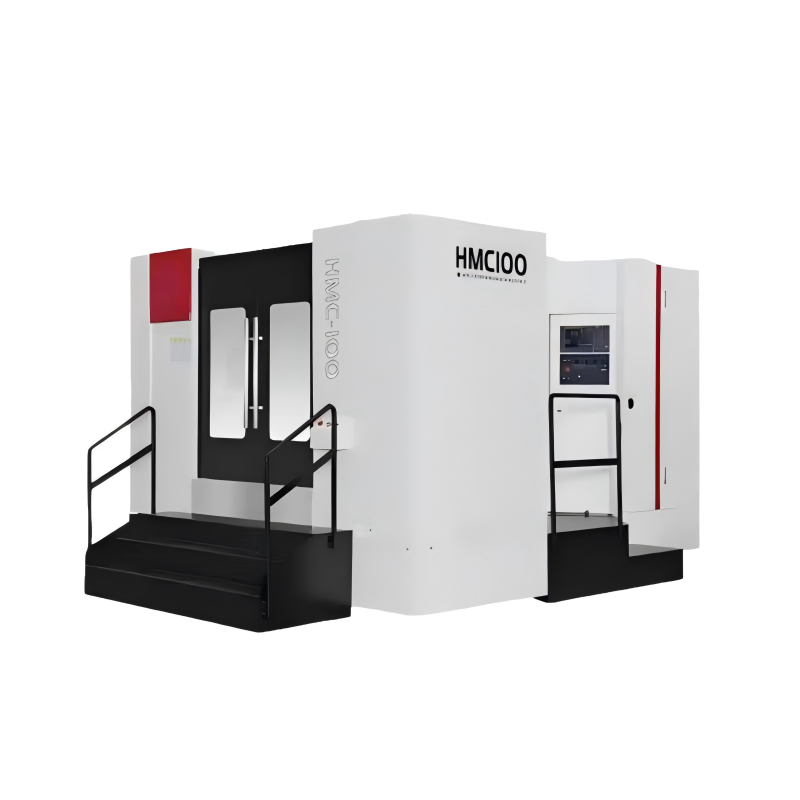
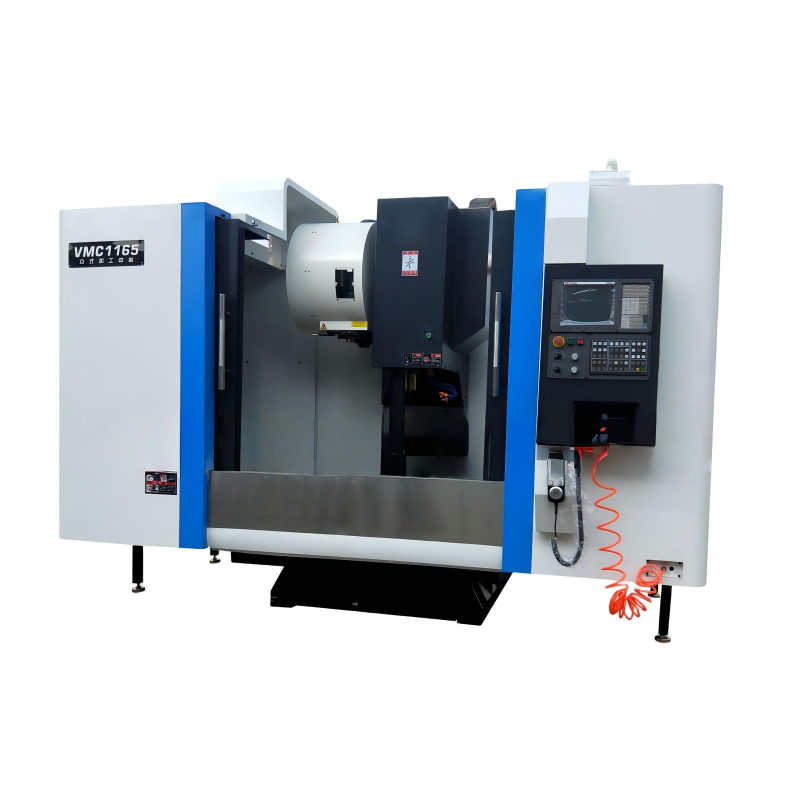
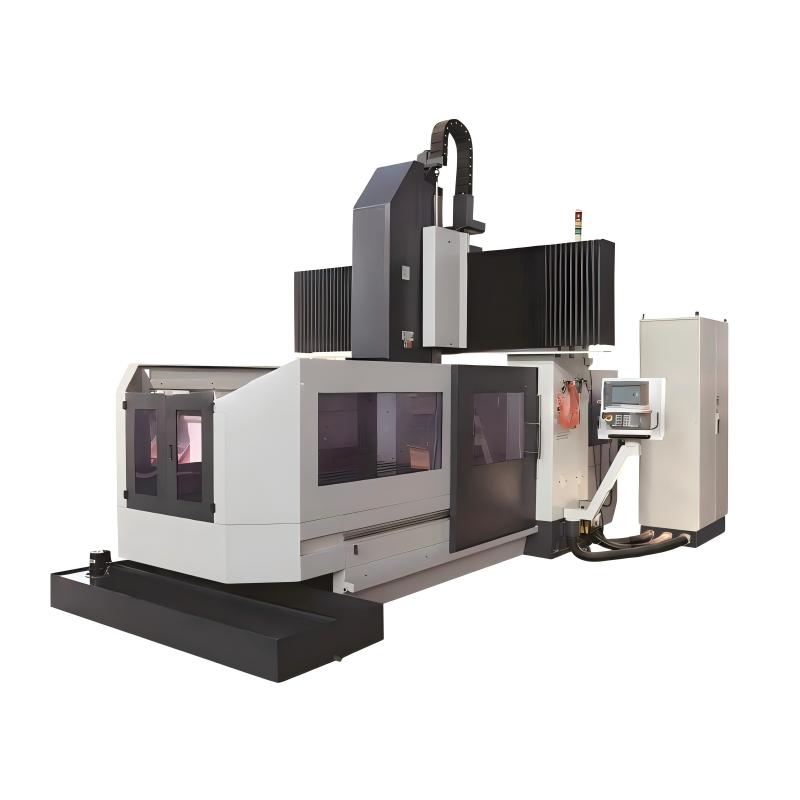
With the rapid advancements in manufacturing technology, multi-axis CNC workcells have emerged as a game-changer, transforming industries by enhancing productivity, precision, and flexibility. These advanced systems are capable of performing complex operations with high accuracy, making them indispensable for modern manufacturing processes. This report delves into the impact of multi-axis CNC workcells on various sectors, highlighting their role in improving efficiency, reducing costs, and enabling new design possibilities. By exploring case studies and technical insights, we aim to provide a comprehensive understanding of how these workcells are reshaping the industrial landscape.
One of the primary advantages of multi-axis CNC workcells is their ability to achieve unparalleled precision in machining complex geometries. Traditional 3-axis machines often struggle with intricate designs, leading to lower quality and increased production times. In contrast, multi-axis CNC workcells can handle complex shapes and contours with ease, ensuring that every part meets the highest standards of accuracy. This is particularly beneficial in industries such as aerospace and automotive, where even the slightest deviation can compromise the performance and safety of the final product.
Another significant benefit of multi-axis CNC workcells is their consistency in maintaining high-quality output across large production runs. The advanced control systems and automation features of these workcells ensure that each part is machined to the same exact specifications, reducing the likelihood of defects and rework. This not only improves the overall quality of the products but also leads to cost savings by minimizing waste and increasing operational efficiency. For manufacturers, this means a more reliable and predictable production process, which is crucial for meeting customer demands and maintaining a competitive edge.
Multi-axis CNC workcells significantly reduce setup and cycle times, thereby increasing overall productivity. Unlike traditional machines, which require frequent tool changes and manual adjustments, multi-axis CNC workcells can perform multiple operations in a single setup. This eliminates the need for time-consuming repositioning and reduces the risk of human error. Additionally, the advanced software and programming capabilities of these workcells enable operators to optimize the machining process, further reducing cycle times and improving throughput. As a result, manufacturers can produce more parts in less time, leading to higher productivity and faster delivery times.
The integration of automation technologies with multi-axis CNC workcells further enhances their efficiency and productivity. These workcells can be seamlessly integrated with other manufacturing systems, such as robotic arms and material handling equipment, to create fully automated production lines. This not only streamlines the manufacturing process but also reduces the need for manual labor, leading to cost savings and improved safety. Moreover, the use of advanced software and data analytics allows for real-time monitoring and optimization of the production process, ensuring that any issues are identified and addressed promptly. This level of automation and integration is essential for achieving high levels of efficiency and competitiveness in today's fast-paced manufacturing environment.
One of the most significant economic benefits of multi-axis CNC workcells is the reduction in labor costs. By automating many of the tasks traditionally performed by skilled machinists, these workcells minimize the need for manual labor, thereby reducing the associated costs. This is particularly advantageous in regions where labor costs are high or where there is a shortage of skilled workers. Additionally, the reduced reliance on manual labor helps to mitigate the risks associated with human error, leading to fewer defects and rework, and ultimately, lower production costs.
Multi-axis CNC workcells also contribute to cost reduction by optimizing material utilization. These advanced machines are designed to minimize waste and maximize the use of raw materials, which can be a significant cost-saving factor, especially for expensive materials. The ability to perform multiple operations in a single setup, combined with the precision and accuracy of the machining process, ensures that the material is used efficiently, reducing scrap and rework. This not only lowers the overall cost of production but also has environmental benefits by reducing the amount of waste generated during the manufacturing process.
The versatility and precision of multi-axis CNC workcells open up new possibilities for innovative product designs. These workcells can machine a wide range of materials, including metals, plastics, and composites, with high accuracy and detail. This capability allows designers and engineers to push the boundaries of what is possible, creating products with unique and complex geometries that were previously unattainable. For example, in the medical industry, multi-axis CNC workcells are used to manufacture custom implants and prosthetics, which can be tailored to the specific needs of individual patients, leading to better outcomes and improved quality of life.
Another key advantage of multi-axis CNC workcells is their ability to support rapid prototyping and iteration. The speed and precision of these machines make it possible to quickly produce prototypes and test new designs, allowing for faster product development cycles. This is particularly valuable in industries where time-to-market is critical, such as consumer electronics and automotive. By enabling rapid prototyping, multi-axis CNC workcells help manufacturers to stay ahead of the competition by bringing new and innovative products to market more quickly. Additionally, the ability to iterate and refine designs based on real-world testing and feedback ensures that the final product meets the highest standards of quality and performance.
 04/06/2026
In the realm of modern manufacturing, multi-axis CNC workcells have emerged as a transformative force, reshaping how products are designed and produced. These advanced systems, which combine multiple axes of motion with computer numerical control (CNC), o
Read More04/06/2026In the realm of advanced manufacturing, the multi-axis CNC workcell stands out as a beacon of precision and flexibility. This technology integrates multiple axes of movement, allowing for complex geometries to be machined with unparalleled accuracy. The m
Read More04/06/2026In the rapidly evolving landscape of manufacturing, the integration of advanced technologies such as multi-axis CNC workcells is reshaping the industry. These sophisticated systems are not only enhancing productivity and precision but also enabling manufa
Read More04/06/2026In today's competitive manufacturing landscape, maximizing efficiency is crucial for staying ahead. A multi-axis CNC workcell offers a powerful solution to enhance productivity and precision. This report explores the benefits of integrating a multi-axis C
Read More04/06/2026In the rapidly evolving landscape of manufacturing, multi-axis CNC (Computer Numerical Control) workcells are emerging as a transformative force. These advanced systems offer unparalleled precision, flexibility, and efficiency, making them indispensable i
Read More04/06/2026In today's manufacturing landscape, the selection of an appropriate multi-axis CNC workcell is critical for enhancing productivity, precision, and flexibility. This technical report aims to guide manufacturers through the process of choosing the right mul
Read More04/06/2026In today's fast-paced manufacturing environment, the integration of a multi-axis CNC workcell can significantly enhance productivity and efficiency. This report delves into how adopting such advanced machinery not only optimizes production processes but a
Read More04/06/2026In the rapidly evolving landscape of precision machining, the multi-axis CNC workcell stands out as a transformative technology. This advanced manufacturing solution not only enhances the efficiency and accuracy of production processes but also opens up n
Read More04/06/2026In the rapidly evolving landscape of modern manufacturing, the integration of multi-axis CNC workcells has become a game-changer. These advanced systems offer unparalleled precision, flexibility, and efficiency, enabling manufacturers to produce complex p
Read MoreOur professional sales team is always ready to assist you.