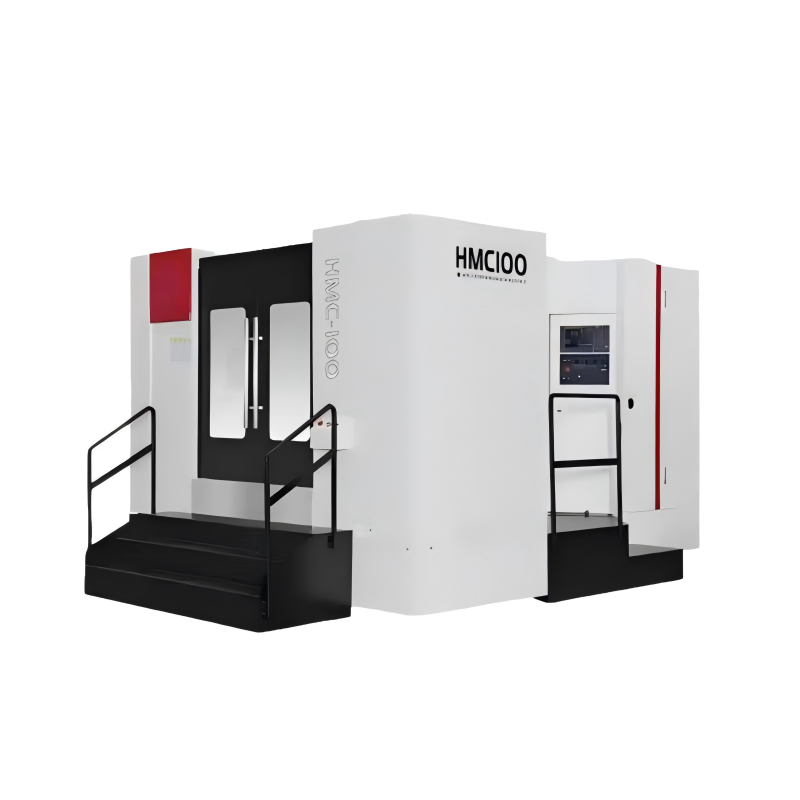
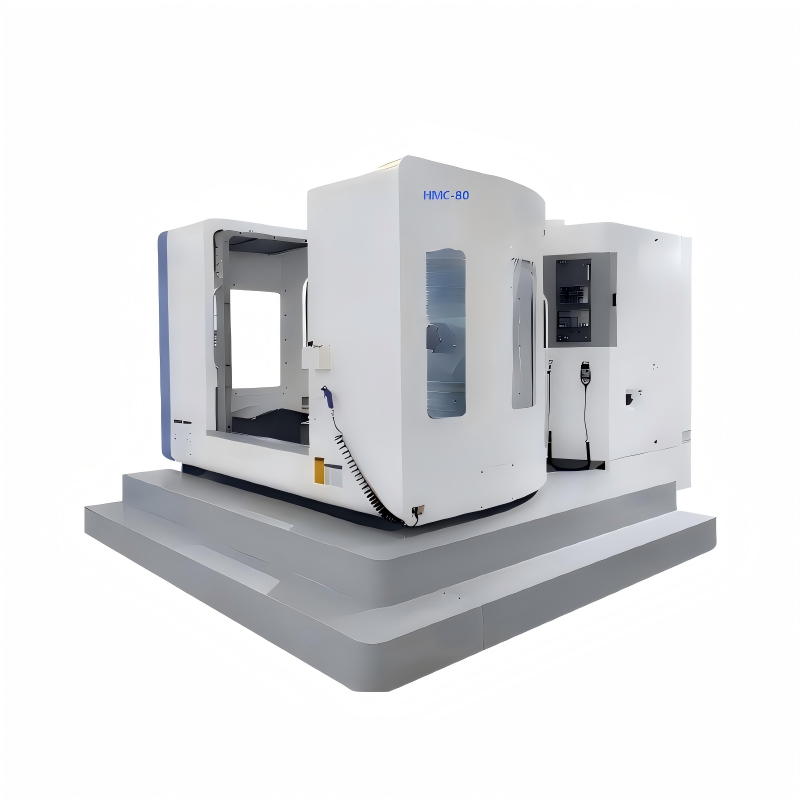
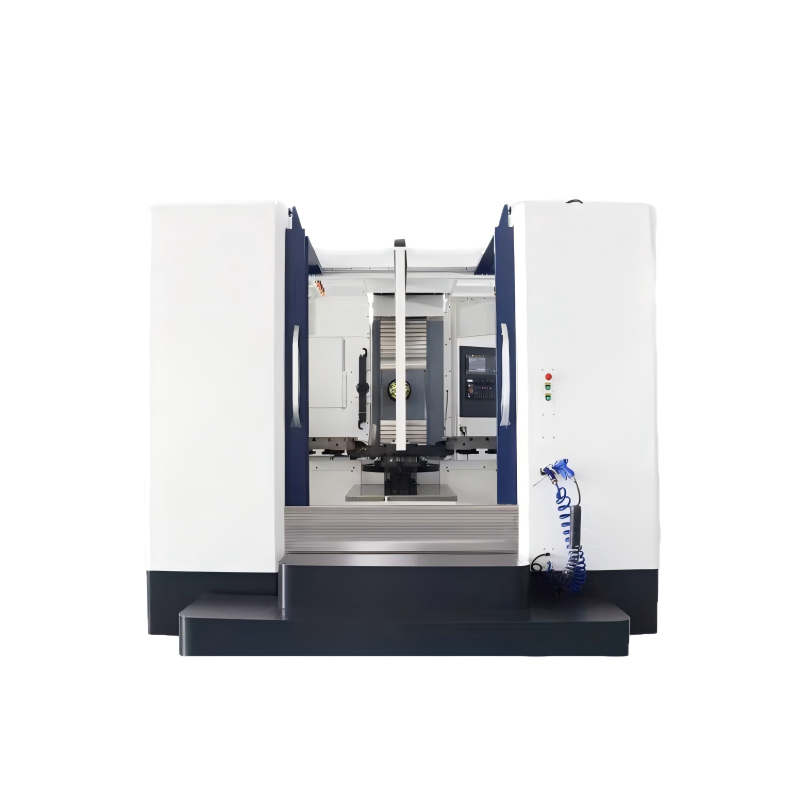
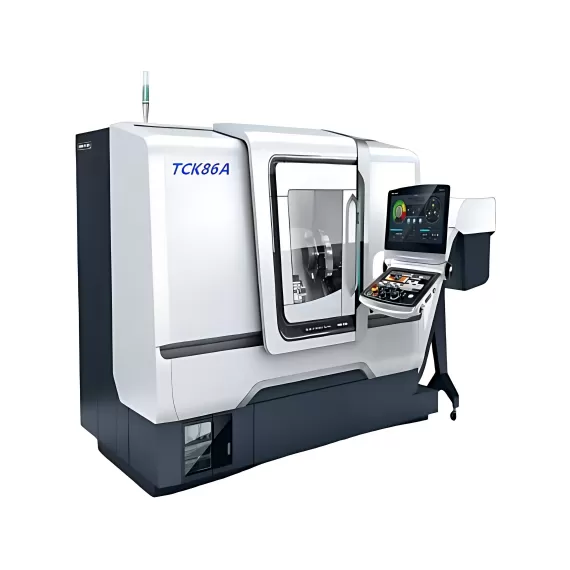
Horizontal Machining Centers (HMCs) are essential tools in the manufacturing industry, providing precision and efficiency in producing complex parts. This comprehensive guide aims to introduce beginners to the world of HMCs, covering their basic principles, operational advantages, and key considerations for maintenance and optimization. By understanding these aspects, new users can maximize the potential of Horizontal Machining Centers in their production processes.
A Horizontal Machining Center (HMC) is a type of CNC machine that operates with the spindle in a horizontal orientation. This setup allows for better chip evacuation and improved access to the workpiece, making it ideal for heavy-duty cutting operations. The horizontal orientation also provides a stable platform for multi-sided machining, reducing the need for repositioning the workpiece.
HMCs consist of several key components, including the spindle, table, tool changer, and control system. The spindle is responsible for rotating the cutting tool, while the table holds the workpiece. An automatic tool changer (ATC) allows for quick and efficient tool changes, minimizing downtime. The control system, often a CNC (Computer Numerical Control), manages the entire machining process, ensuring precision and repeatability.
One of the primary advantages of HMCs is their ability to effectively evacuate chips. In a horizontal setup, gravity helps to pull chips away from the cutting area, reducing the risk of chip recutting and improving surface finish. This is particularly beneficial in high-volume production environments where maintaining consistent quality is crucial.
HMCs are designed to provide superior rigidity and stability, which is essential for heavy-duty cutting operations. The horizontal orientation distributes the weight of the workpiece more evenly, reducing deflection and vibration. This results in higher accuracy and better surface finishes, making HMCs suitable for applications requiring tight tolerances and complex geometries.
To ensure the longevity and optimal performance of an HMC, regular maintenance is essential. This includes routine checks of the spindle, bearings, and lubrication systems. Regular cleaning and inspection of the ATC and tool holders are also important to prevent wear and ensure smooth operation. Additionally, keeping the control system up-to-date with the latest software updates can help maintain the machine's efficiency and reliability.
Optimizing the performance of an HMC involves several key strategies. Proper tool selection and toolpath planning are critical for achieving the desired results. Using high-quality cutting tools and selecting the appropriate speeds and feeds can significantly improve machining efficiency. Additionally, implementing advanced features such as adaptive control and predictive maintenance can further enhance the machine's performance and reduce downtime.
This HTML content provides a structured and detailed guide to Horizontal Machining Centers, suitable for beginners. It covers the basics, operational advantages, and maintenance practices, ensuring a comprehensive understanding of HMCs. 04/06/2026
When it comes to selecting the right Horizontal Machining Center for your production needs, several factors must be considered to ensure that the investment not only meets current requirements but also provides flexibility for future growth. This guide wi
Read More04/06/2026Horizontal Machining Centers (HMCs) are essential tools in modern manufacturing, offering unparalleled precision and efficiency. This report explores how to maximize the efficiency of an HMC, focusing on key areas such as setup time reduction, tool manage
Read More04/06/2026Horizontal Machining Centers (HMCs) have become a cornerstone in modern manufacturing, offering unparalleled precision and efficiency. This report delves into the key advantages of HMCs, exploring how they enhance productivity, improve part quality, and o
Read More04/06/2026Horizontal Machining Centers (HMCs) have become indispensable in modern manufacturing, offering high precision and efficiency for a wide range of applications. This report delves into the latest innovations in HMC technology and their impact on the indust
Read More04/06/2026Maintaining a Horizontal Machining Center (HMC) is crucial for ensuring its longevity and optimal performance. Regular maintenance not only extends the life of the machine but also reduces downtime and repair costs. This article will provide comprehensive
Read More04/06/2026When it comes to selecting the right Horizontal Machining Center (HMC) for your specific manufacturing needs, several factors come into play. This decision can significantly impact productivity, part quality, and overall operational efficiency. In this te
Read More04/06/2026In the realm of precision engineering, the Horizontal Machining Center (HMC) stands out as a critical tool for achieving high-accuracy and complex machining tasks. This article delves into the pivotal role of HMCs in modern manufacturing, exploring their
Read More04/06/2026Horizontal Machining Centers (HMCs) are essential tools in modern manufacturing, offering unparalleled efficiency and precision. This report delves into the strategies and best practices for maximizing the performance of an HMC. By optimizing setup times,
Read More04/06/2026In the realm of modern manufacturing, the Horizontal Machining Center (HMC) has emerged as a pivotal tool for precision and efficiency. This report delves into the advantages that HMCs bring to the table, from enhanced productivity and flexibility to impr
Read More04/06/2026IntroductionThe machining industry has seen significant advancements in technology, with the introduction of both vertical and horizontal machining centers (HMCs) offering unique capabilities to manufacturers. Choosing between a vertical or Horizontal Mac
Read More03/06/2026In the aerospace industry, precision and efficiency are paramount. The implementation of a Horizontal Machining Center (HMC) in this sector has proven to be a game-changer, offering unparalleled benefits in terms of productivity, accuracy, and cost-effect
Read More02/06/2026IntroductionThe development of Horizontal Machining Centers (HMCs) has been a significant contributor to the evolution of manufacturing processes. These machines, characterized by their horizontal spindle orientation, have enabled industries to achieve hi
Read More01/06/2026IntroductionA Horizontal Machining Center (HMC) is a sophisticated piece of equipment used in manufacturing to produce complex parts with high precision and efficiency. To maximize the productivity of an HMC, it's crucial to adopt best practices in operat
Read More31/05/2026IntroductionA Horizontal Machining Center (HMC) is a type of CNC machine that performs machining operations on a horizontal spindle. These machines are widely used in manufacturing for their versatility and efficiency, capable of handling large workpieces
Read More30/05/2026When it comes to investing in a Horizontal Machining Center, making an informed decision is crucial. These machines are designed for precision, efficiency, and versatility, but not all models are created equal. Understanding the key features to look for c
Read More29/05/2026Introduction to Horizontal Machining Centers The advent of Horizontal Machining Centers (HMCs) has significantly transformed the manufacturing landscape, offering a versatile solution for complex machining tasks. These machines are designed with a horizon
Read More28/05/2026IntroductionThe advent of the Horizontal Machining Center (HMC) has revolutionized the manufacturing industry, particularly in the automotive sector. This technology plays a crucial role in enhancing production efficiency, accuracy, and versatility. The H
Read More27/05/2026IntroductionA Horizontal Machining Center (HMC) is an essential tool in modern manufacturing, designed to enhance production efficiency and quality. This report will explore how to maximize the potential of an HMC within a workshop setting, focusing on op
Read MoreOur professional sales team is always ready to assist you.