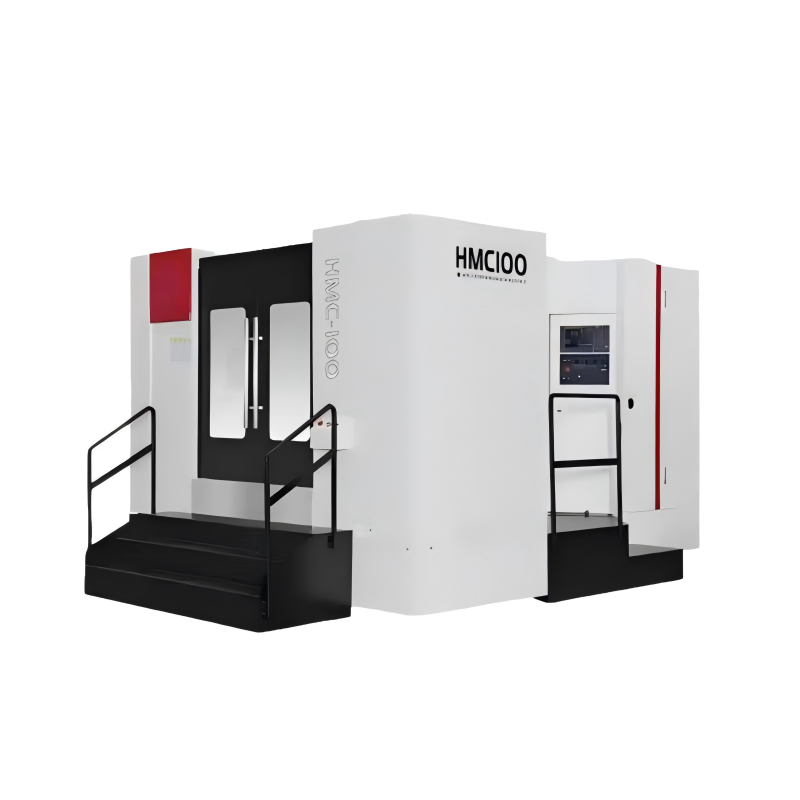
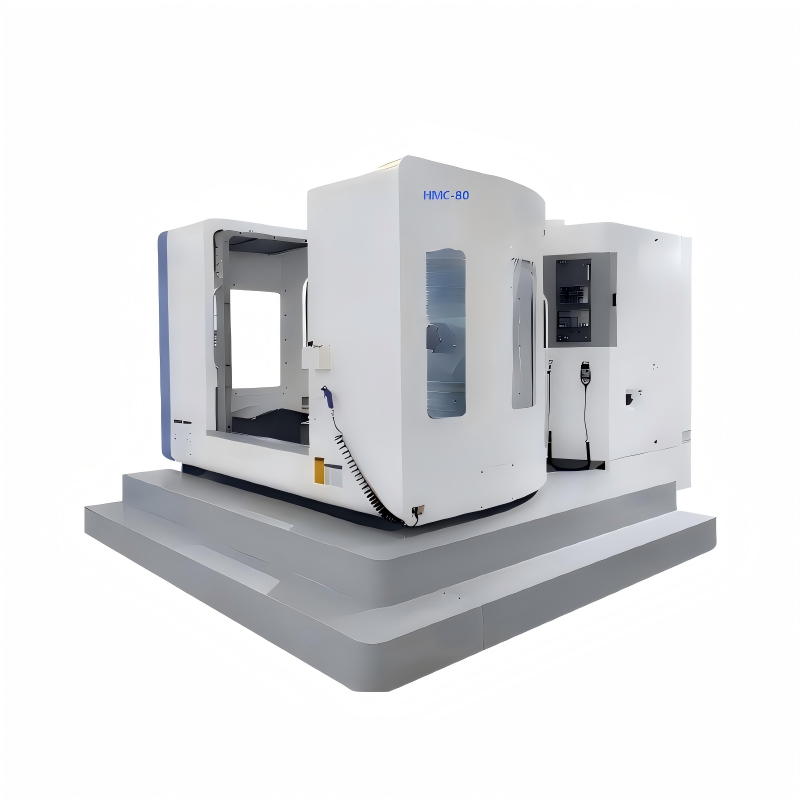
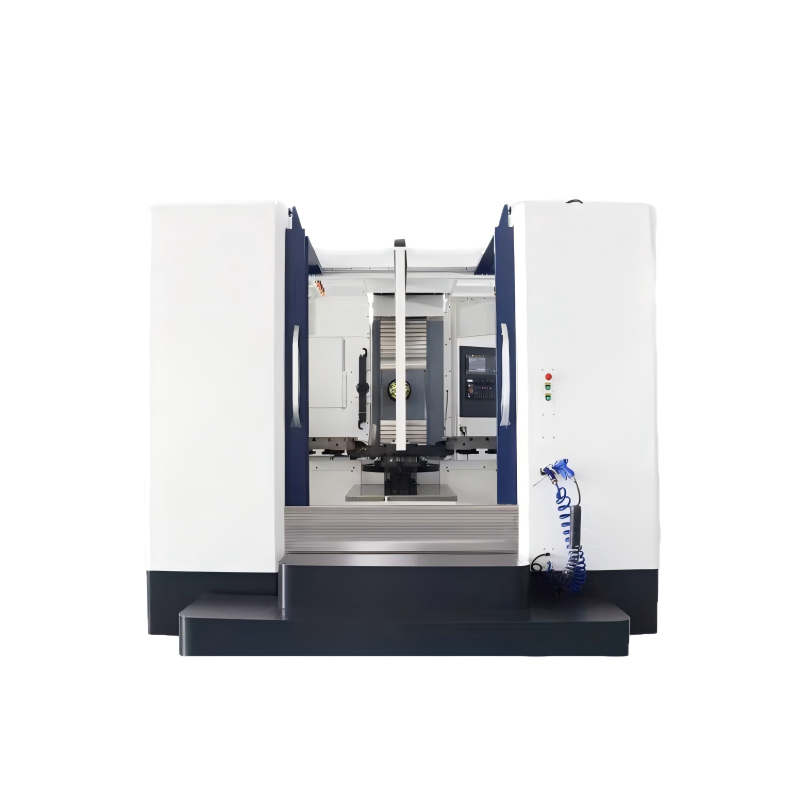
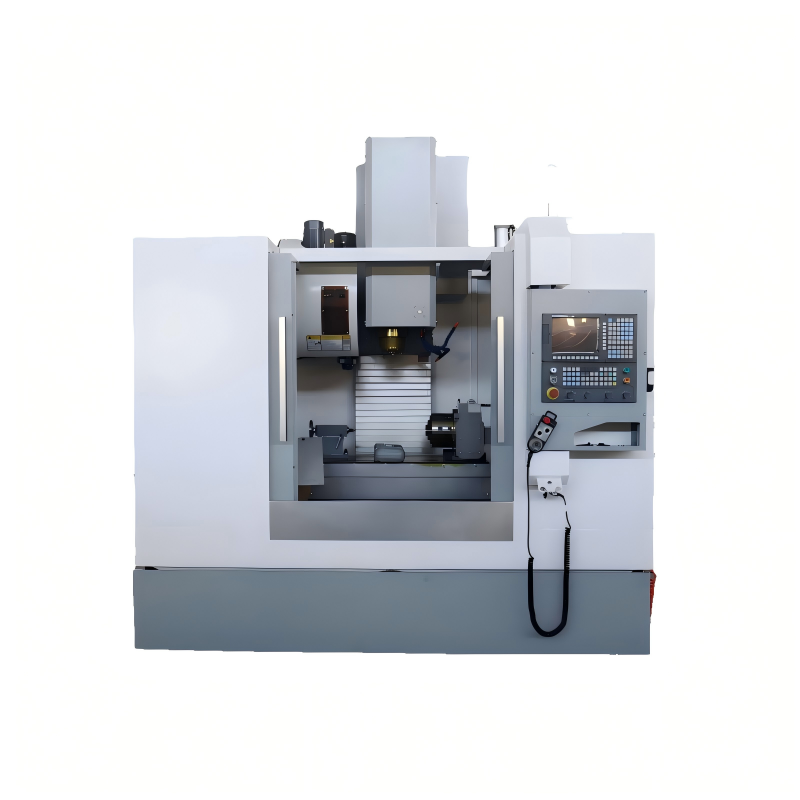
Horizontal Machining Centers (HMCs) are essential tools in modern manufacturing, offering unparalleled efficiency and precision. This report delves into the strategies and best practices for maximizing the performance of an HMC. By optimizing setup times, integrating advanced tooling solutions, and leveraging automation, manufacturers can significantly enhance productivity and reduce costs. The following sections will explore these key areas in detail, providing actionable insights for industry professionals.
One of the most effective ways to reduce setup times on a Horizontal Machining Center is by implementing quick-change tooling systems. These systems allow for rapid and precise tool changes, minimizing downtime and increasing overall throughput. By using modular tool holders and standardized interfaces, operators can quickly switch between different tools, ensuring that the machine is always ready for the next operation.
Pre-set tooling stations are another valuable asset for reducing setup times. These stations allow operators to measure and set up tools outside of the machine, eliminating the need to stop the HMC for tool adjustments. By pre-setting tools, operators can ensure that they are perfectly aligned and ready for use, further streamlining the production process.
The choice of cutting tools can have a significant impact on the efficiency and precision of a Horizontal Machining Center. High-performance cutting tools, such as those made from advanced materials like carbide or ceramic, offer superior wear resistance and cutting speeds. By investing in high-quality tools, manufacturers can achieve better surface finishes, extended tool life, and reduced cycle times.
Multi-tasking tooling strategies enable a Horizontal Machining Center to perform multiple operations in a single setup. This can include milling, drilling, and turning, all within the same machining cycle. By consolidating operations, manufacturers can reduce the number of setups required, minimize part handling, and improve overall efficiency. Additionally, multi-tasking tooling can help in achieving tighter tolerances and higher part quality.
Automation is a key factor in maximizing the efficiency of a Horizontal Machining Center. Integrating robotic loading and unloading systems can significantly reduce manual labor and increase machine uptime. Robots can be programmed to load and unload parts with precision, ensuring consistent and reliable performance. This not only improves productivity but also reduces the risk of human error and enhances workplace safety.
Automated tool management systems provide real-time monitoring and control of tool usage, condition, and inventory. These systems can automatically track tool wear, predict maintenance needs, and optimize tool usage. By automating tool management, manufacturers can reduce tool-related downtime, extend tool life, and improve overall machining efficiency. Additionally, these systems can integrate with other automation technologies, creating a seamless and highly efficient production environment.
This content provides a comprehensive technical report on how to maximize efficiency with a Horizontal Machining Center, covering three main areas: optimizing setup times, integrating advanced tooling solutions, and leveraging automation. Each section includes detailed sub-points and practical recommendations, making it a valuable resource for industry professionals. 04/06/2026
When it comes to selecting the right Horizontal Machining Center for your production needs, several factors must be considered to ensure that the investment not only meets current requirements but also provides flexibility for future growth. This guide wi
Read More04/06/2026Horizontal Machining Centers (HMCs) are essential tools in modern manufacturing, offering unparalleled precision and efficiency. This report explores how to maximize the efficiency of an HMC, focusing on key areas such as setup time reduction, tool manage
Read More04/06/2026Horizontal Machining Centers (HMCs) have become a cornerstone in modern manufacturing, offering unparalleled precision and efficiency. This report delves into the key advantages of HMCs, exploring how they enhance productivity, improve part quality, and o
Read More04/06/2026Horizontal Machining Centers (HMCs) are essential tools in the manufacturing industry, providing precision and efficiency in producing complex parts. This comprehensive guide aims to introduce beginners to the world of HMCs, covering their basic principle
Read More04/06/2026Horizontal Machining Centers (HMCs) have become indispensable in modern manufacturing, offering high precision and efficiency for a wide range of applications. This report delves into the latest innovations in HMC technology and their impact on the indust
Read More04/06/2026Maintaining a Horizontal Machining Center (HMC) is crucial for ensuring its longevity and optimal performance. Regular maintenance not only extends the life of the machine but also reduces downtime and repair costs. This article will provide comprehensive
Read More04/06/2026When it comes to selecting the right Horizontal Machining Center (HMC) for your specific manufacturing needs, several factors come into play. This decision can significantly impact productivity, part quality, and overall operational efficiency. In this te
Read More04/06/2026In the realm of precision engineering, the Horizontal Machining Center (HMC) stands out as a critical tool for achieving high-accuracy and complex machining tasks. This article delves into the pivotal role of HMCs in modern manufacturing, exploring their
Read More04/06/2026In the realm of modern manufacturing, the Horizontal Machining Center (HMC) has emerged as a pivotal tool for precision and efficiency. This report delves into the advantages that HMCs bring to the table, from enhanced productivity and flexibility to impr
Read More04/06/2026IntroductionThe machining industry has seen significant advancements in technology, with the introduction of both vertical and horizontal machining centers (HMCs) offering unique capabilities to manufacturers. Choosing between a vertical or Horizontal Mac
Read More03/06/2026In the aerospace industry, precision and efficiency are paramount. The implementation of a Horizontal Machining Center (HMC) in this sector has proven to be a game-changer, offering unparalleled benefits in terms of productivity, accuracy, and cost-effect
Read More02/06/2026IntroductionThe development of Horizontal Machining Centers (HMCs) has been a significant contributor to the evolution of manufacturing processes. These machines, characterized by their horizontal spindle orientation, have enabled industries to achieve hi
Read More01/06/2026IntroductionA Horizontal Machining Center (HMC) is a sophisticated piece of equipment used in manufacturing to produce complex parts with high precision and efficiency. To maximize the productivity of an HMC, it's crucial to adopt best practices in operat
Read More31/05/2026IntroductionA Horizontal Machining Center (HMC) is a type of CNC machine that performs machining operations on a horizontal spindle. These machines are widely used in manufacturing for their versatility and efficiency, capable of handling large workpieces
Read More30/05/2026When it comes to investing in a Horizontal Machining Center, making an informed decision is crucial. These machines are designed for precision, efficiency, and versatility, but not all models are created equal. Understanding the key features to look for c
Read More29/05/2026Introduction to Horizontal Machining Centers The advent of Horizontal Machining Centers (HMCs) has significantly transformed the manufacturing landscape, offering a versatile solution for complex machining tasks. These machines are designed with a horizon
Read More28/05/2026IntroductionThe advent of the Horizontal Machining Center (HMC) has revolutionized the manufacturing industry, particularly in the automotive sector. This technology plays a crucial role in enhancing production efficiency, accuracy, and versatility. The H
Read More27/05/2026IntroductionA Horizontal Machining Center (HMC) is an essential tool in modern manufacturing, designed to enhance production efficiency and quality. This report will explore how to maximize the potential of an HMC within a workshop setting, focusing on op
Read MoreOur professional sales team is always ready to assist you.