In the realm of industrial manufacturing, selecting the right lathe machine is crucial for achieving high precision and efficiency. This technical report aims to guide manufacturers in choosing the most suitable lathe machine for their specific needs, with a focus on key considerations such as machine type, capabilities, and maintenance requirements. Additionally, it will explore the role of a reliable Lathe Machine Exporter in ensuring that you receive a quality product.
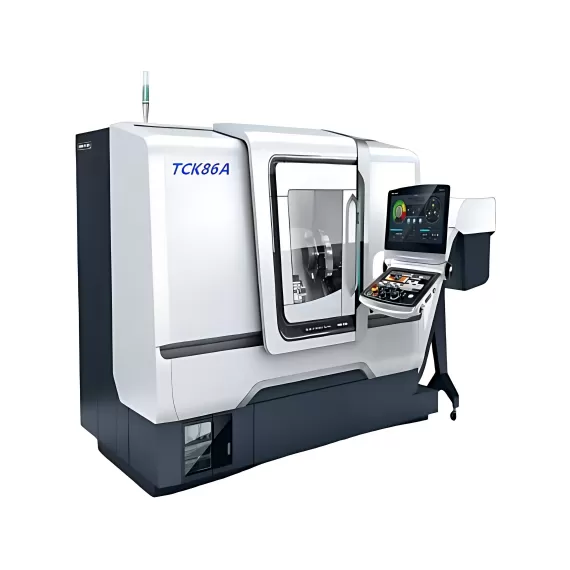
Lathe machines come in various types, each designed for specific applications. The primary categories include engine lathes, turret lathes, and CNC (Computer Numerical Control) lathes. Engine lathes are the most common and versatile, suitable for general-purpose machining. Turret lathes, on the other hand, are ideal for high-volume production due to their ability to perform multiple operations without retooling. CNC Lathes offer the highest level of precision and automation, making them perfect for complex and repetitive tasks. Understanding these differences is essential for selecting the right lathe machine that aligns with your industrial needs.
When choosing a lathe machine, it is important to evaluate its capabilities and specifications to ensure it can handle the required tasks. Key factors to consider include the maximum workpiece size, spindle speed, feed rate, and power. For instance, if your operations involve large workpieces, you will need a lathe with a larger swing and distance between centers. Similarly, the spindle speed and feed rate should be compatible with the materials and finishes you are working with. A thorough assessment of these parameters will help you select a lathe that meets your operational requirements.
Maintenance and support are critical aspects of owning a lathe machine. Regular maintenance ensures the longevity and reliability of the machine, while prompt support from the manufacturer or supplier can minimize downtime. When evaluating a Lathe Machine Exporter, it is important to inquire about their after-sales service, including warranty coverage, availability of spare parts, and technical support. A reputable exporter will provide comprehensive support, ensuring that your lathe machine remains in optimal condition and any issues are resolved quickly.
Automation has become increasingly prevalent in modern lathe machines, particularly in CNC lathes. Automated features such as tool changers, automatic part loading, and advanced control systems enhance productivity and reduce human error. For industries that require high precision and consistency, investing in an automated lathe machine can significantly improve efficiency and output quality. However, it is important to balance the benefits of automation with the initial cost and the need for skilled operators to manage and maintain the system.
Conducting a cost-benefit analysis is essential when choosing a lathe machine. While the initial purchase price is a significant factor, it is equally important to consider long-term costs such as maintenance, energy consumption, and potential downtime. A higher-priced machine with superior capabilities and lower operating costs may provide better value over time. Additionally, investing in a reliable Lathe Machine Exporter can ensure that you receive a high-quality machine that will last, reducing the need for frequent replacements and repairs. By carefully weighing the costs and benefits, you can make a well-informed decision that supports your industrial needs and budget.
In conclusion, selecting the right lathe machine involves a comprehensive evaluation of the machine type, capabilities, maintenance requirements, and long-term investment. By understanding the different types of lathes, assessing their specifications, and considering the support provided by a Lathe Machine Exporter, you can make an informed decision that enhances your manufacturing processes and contributes to the overall success of your operations.
 23/06/2026
The global market for lathe machines is a dynamic and ever-evolving space, driven by technological advancements and the increasing demand for precision manufacturing. As an Lathe Machine Exporter, understanding the intricacies of this market, its trends,
Read More23/06/2026In the world of manufacturing, the lathe machine stands as a cornerstone for precision and efficiency. For those who seek to expand their reach globally, becoming a leading lathe machine exporter is not just about selling machines; it's about ensuring tha
Read More23/06/2026The evolution of lathe technology has been a cornerstone in the advancement of metalworking, enabling more precise and efficient manufacturing processes. As a Lathe Machine Exporter, it is essential to stay at the forefront of these developments to meet t
Read More23/06/2026In today's global manufacturing landscape, the role of a Lathe Machine Exporter has become increasingly significant. As industries around the world strive to maintain competitiveness and efficiency, the demand for high-quality, reliable lathe machines con
Read More23/06/2026Understanding the Role of Advanced Lathe Machines in Modern ManufacturingIn today’s fast-paced industrial landscape, manufacturers are constantly seeking ways to improve efficiency and reduce costs. One of the key tools that have revolutionized the machin
Read MoreOur professional sales team is always ready to assist you.