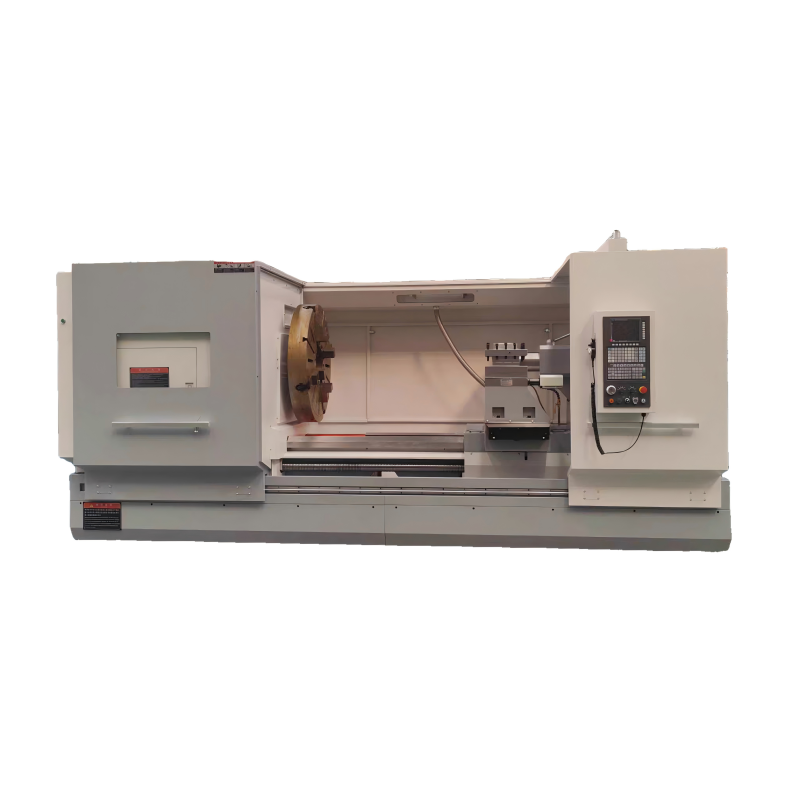
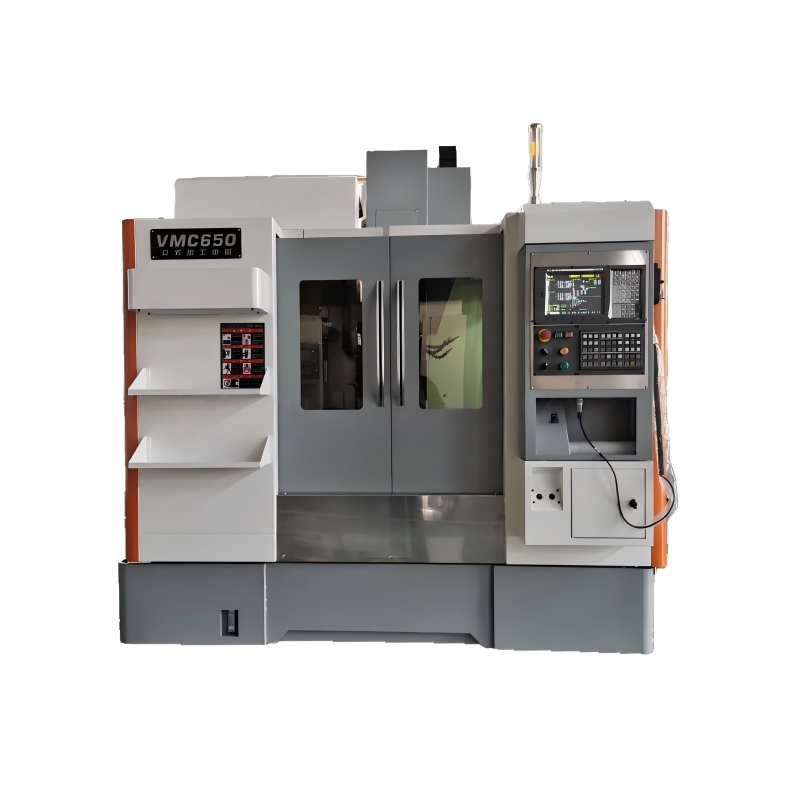
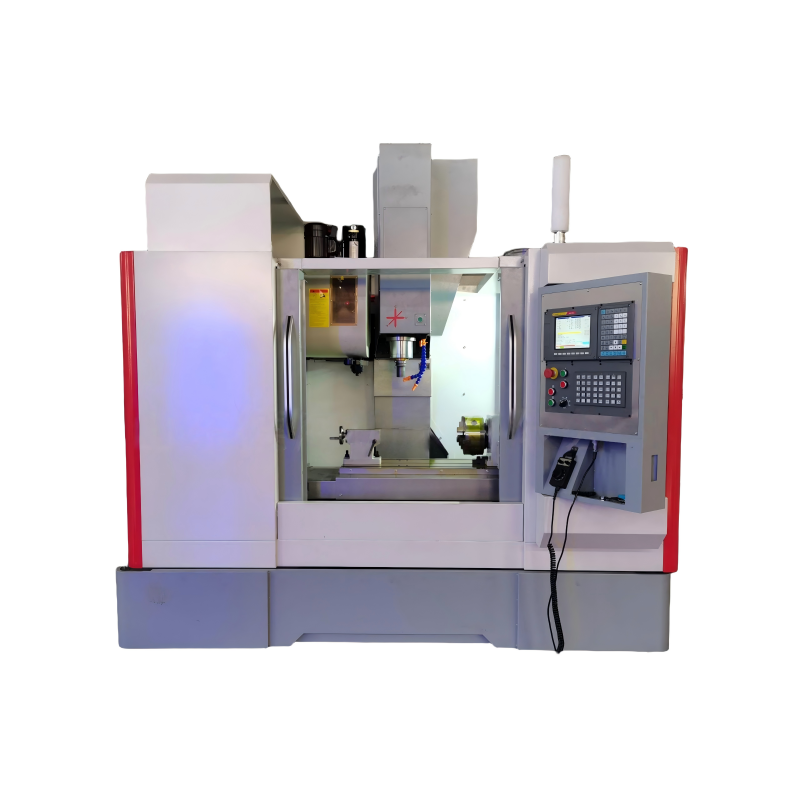
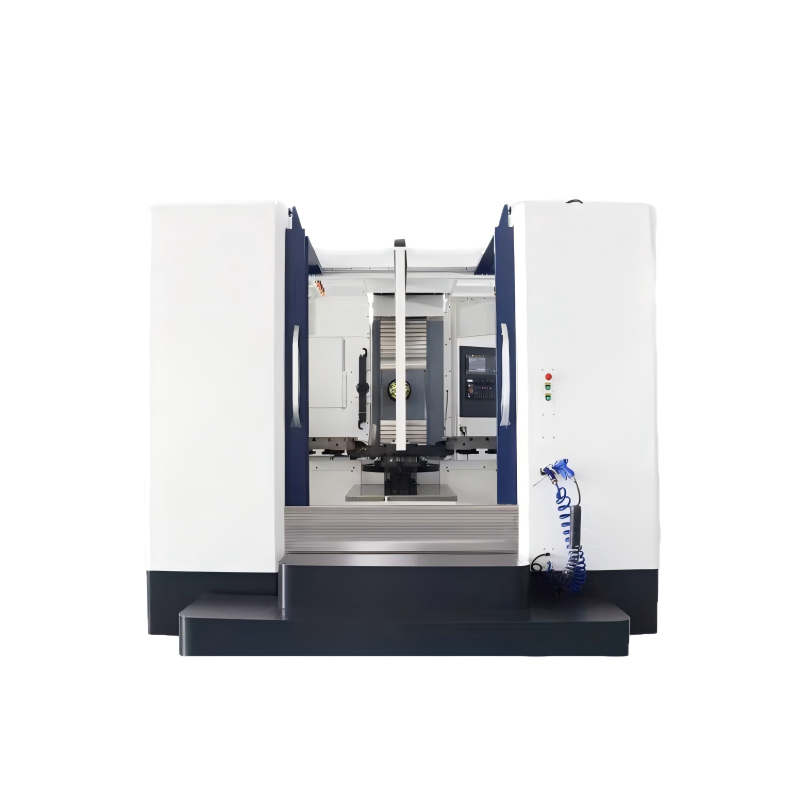
The evolution of lathe technology has been a cornerstone in the advancement of metalworking, enabling more precise and efficient manufacturing processes. As a Lathe Machine Exporter, it is essential to stay at the forefront of these developments to meet the ever-evolving needs of the global market. This report delves into the latest innovations in lathe technology, exploring how they are shaping the future of metalworking.
One of the most significant trends in modern lathe technology is the increasing level of automation and integration with other manufacturing systems. Automated lathes can operate continuously without human intervention, reducing labor costs and improving productivity. Moreover, the integration of lathes with Computer Numerical Control (CNC) systems allows for greater precision and consistency in the production process. CNC Lathes use pre-programmed software to control the machine's movements, ensuring that each part is manufactured to exact specifications. This level of automation and integration not only enhances efficiency but also reduces the risk of human error, leading to higher quality products.
The development of new materials, such as high-strength alloys and composites, has necessitated advancements in lathe technology to effectively machine these materials. Traditional lathes may struggle with the hardness and durability of these new materials, leading to increased wear and tear on the cutting tools. To address this challenge, manufacturers have developed specialized lathes equipped with advanced cutting tools and cooling systems. These innovations allow for the efficient machining of even the most challenging materials, expanding the capabilities of metalworking operations. Additionally, the use of advanced coatings on cutting tools has further improved their lifespan and performance, making them more cost-effective and environmentally friendly.
Another key area of innovation in lathe technology is the improvement of user interfaces and software. Modern lathes come with intuitive touchscreens and user-friendly software that simplifies the programming and operation of the machine. This makes it easier for operators to set up and run complex machining processes, even if they have limited experience. The software also provides real-time monitoring and data analysis, allowing operators to quickly identify and address any issues that may arise during the production process. Furthermore, the integration of artificial intelligence (AI) and machine learning (ML) algorithms in lathe software enables predictive maintenance, reducing downtime and extending the life of the machine. These advancements in user interface and software have made lathes more accessible and efficient, driving the adoption of these machines in a wide range of industries.
As the world becomes increasingly focused on sustainability, the metalworking industry is no exception. Lathe manufacturers are now prioritizing energy efficiency and environmental sustainability in their designs. New lathes are being developed with energy-saving features, such as regenerative braking systems and high-efficiency motors, which reduce power consumption and lower operating costs. Additionally, the use of eco-friendly lubricants and coolants has become more prevalent, minimizing the environmental impact of the machining process. These sustainable practices not only benefit the environment but also enhance the overall operational efficiency of the lathe, making it a more attractive option for businesses looking to reduce their carbon footprint.
While traditional lathes are primarily used for subtractive manufacturing, the integration of additive manufacturing (AM) technologies is opening up new possibilities in the field of metalworking. Hybrid lathes, which combine both subtractive and additive capabilities, allow for the creation of complex geometries and internal structures that would be difficult or impossible to achieve with traditional methods. This hybrid approach enables the production of lightweight, high-strength parts with reduced material waste, making it an ideal solution for industries such as aerospace and automotive. The integration of AM into lathe technology is still in its early stages, but it holds great promise for the future of metalworking, offering a more versatile and efficient manufacturing process.
In conclusion, the innovations in lathe technology are transforming the landscape of metalworking, driving greater efficiency, precision, and sustainability. As a Lathe Machine Exporter, staying abreast of these developments is crucial to meeting the demands of the global market and ensuring long-term success. By embracing automation, advanced materials, enhanced user interfaces, energy efficiency, and additive manufacturing, the future of metalworking is poised to be more productive and environmentally conscious than ever before.
 23/06/2026
The global market for lathe machines is a dynamic and ever-evolving space, driven by technological advancements and the increasing demand for precision manufacturing. As an Lathe Machine Exporter, understanding the intricacies of this market, its trends,
Read More23/06/2026In the world of manufacturing, the lathe machine stands as a cornerstone for precision and efficiency. For those who seek to expand their reach globally, becoming a leading lathe machine exporter is not just about selling machines; it's about ensuring tha
Read More23/06/2026In the realm of industrial manufacturing, selecting the right lathe machine is crucial for achieving high precision and efficiency. This technical report aims to guide manufacturers in choosing the most suitable lathe machine for their specific needs, wit
Read More23/06/2026In today's global manufacturing landscape, the role of a Lathe Machine Exporter has become increasingly significant. As industries around the world strive to maintain competitiveness and efficiency, the demand for high-quality, reliable lathe machines con
Read More23/06/2026Understanding the Role of Advanced Lathe Machines in Modern ManufacturingIn today’s fast-paced industrial landscape, manufacturers are constantly seeking ways to improve efficiency and reduce costs. One of the key tools that have revolutionized the machin
Read MoreOur professional sales team is always ready to assist you.