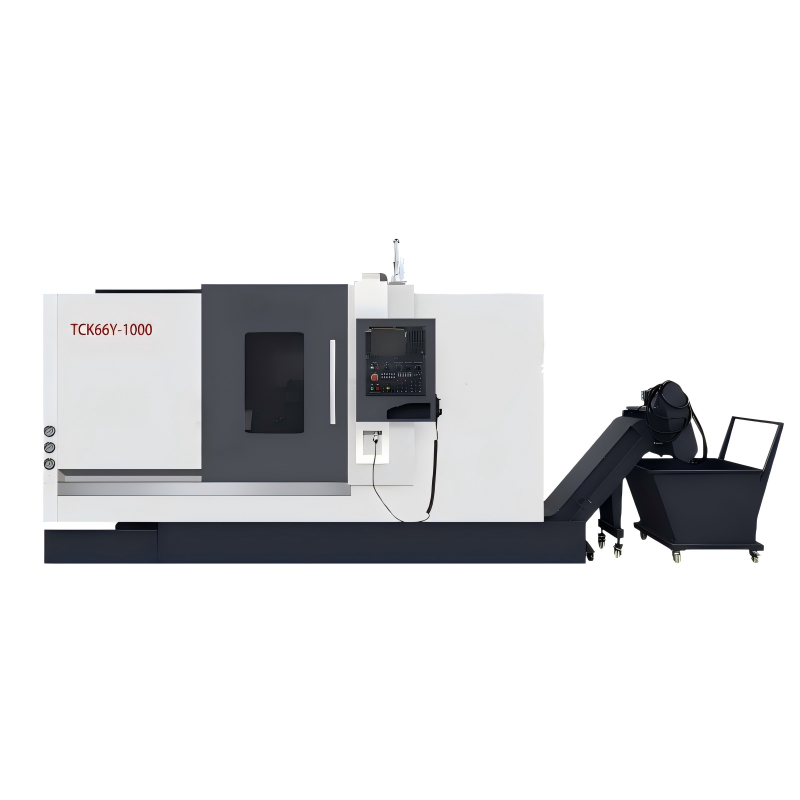
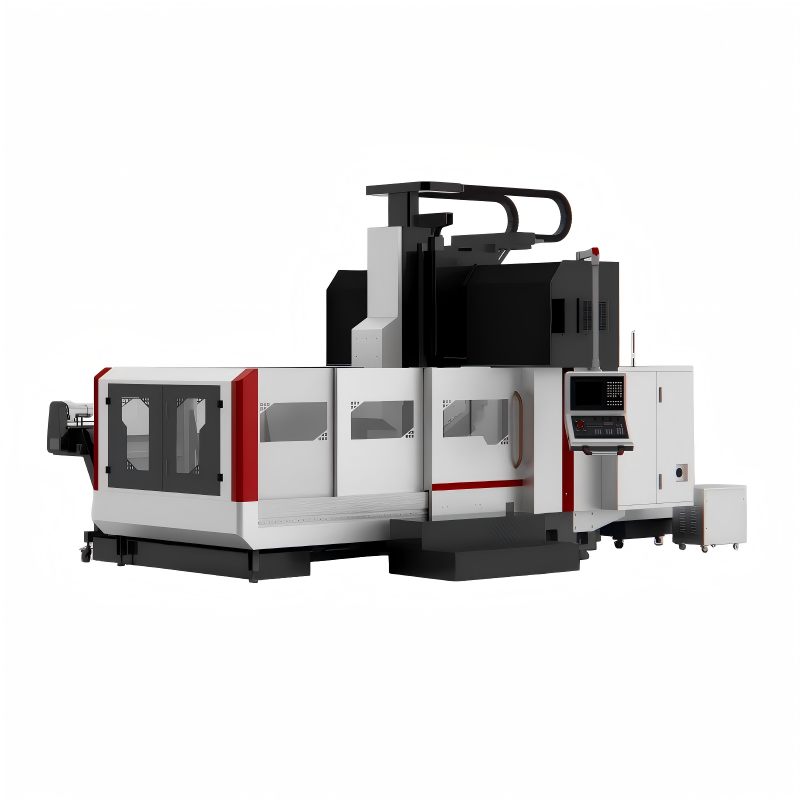
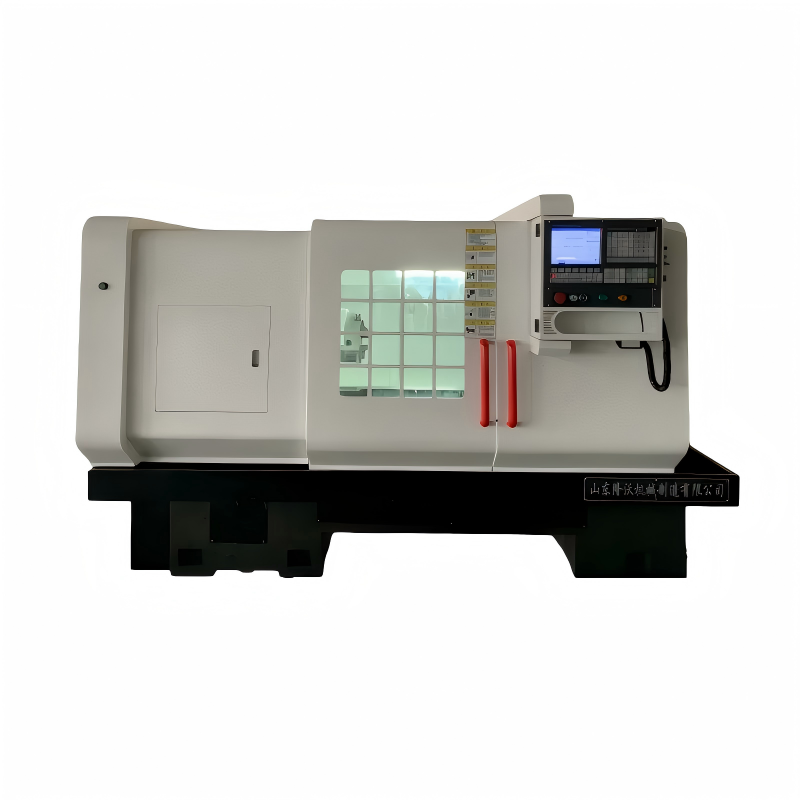
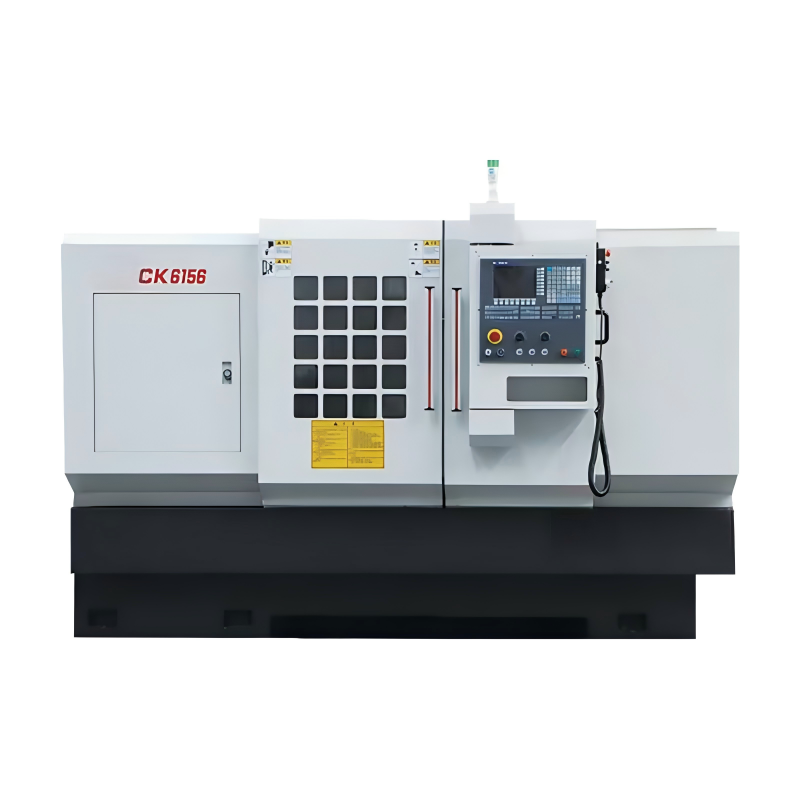
The global market for lathe machines is a dynamic and ever-evolving space, driven by technological advancements and the increasing demand for precision manufacturing. As an Lathe Machine Exporter, understanding the intricacies of this market, its trends, and the factors that influence its growth is crucial for success. This report delves into the global reach of a lathe machine exporter, exploring key aspects such as market dynamics, export strategies, and the role of technology in shaping the future of the industry.
The global lathe machine market is influenced by a variety of factors, including economic conditions, industrial growth, and technological innovations. One of the primary drivers of this market is the increasing demand for high-precision machining in industries such as automotive, aerospace, and medical devices. These sectors require components with tight tolerances and complex geometries, which can only be achieved through advanced lathe machines.
Another significant trend is the shift towards automation and Industry 4.0. Modern lathe machines are increasingly being integrated with smart technologies, such as IoT (Internet of Things) and AI (Artificial Intelligence), to enhance productivity and efficiency. This has led to the development of CNC (Computer Numerical Control) lathes, which offer greater precision, repeatability, and flexibility compared to traditional manual lathes.
Moreover, the global trade landscape is also a critical factor. Tariffs, trade agreements, and geopolitical tensions can significantly impact the export activities of a Lathe Machine Exporter. For instance, the ongoing U.S.-China trade war has led to increased tariffs on imported goods, affecting the cost and competitiveness of lathe machines in these markets. Therefore, exporters must stay informed about these developments and adapt their strategies accordingly.
For a Lathe Machine Exporter, developing effective export strategies is essential to penetrate new markets and maintain a competitive edge. One of the key strategies is to build a strong brand presence and reputation. This can be achieved through high-quality products, excellent customer service, and strategic marketing efforts. Establishing a robust distribution network and partnerships with local dealers and distributors can also help in expanding the market reach.
Another important aspect is to understand the specific needs and preferences of different markets. For example, the requirements for lathe machines in the automotive industry may differ from those in the aerospace sector. Tailoring the product offerings to meet these specific needs can help in gaining a foothold in niche markets. Additionally, offering customized solutions and after-sales support can further enhance customer satisfaction and loyalty.
Furthermore, leveraging digital marketing and e-commerce platforms can be a game-changer for a Lathe Machine Exporter. Online marketplaces and B2B portals provide a cost-effective way to reach a global audience and generate leads. By investing in SEO (Search Engine Optimization), content marketing, and social media, exporters can increase their online visibility and attract potential customers from around the world.
Technology plays a pivotal role in shaping the future of the lathe machine industry. The integration of advanced technologies such as AI, IoT, and robotics is revolutionizing the way lathe machines operate. For instance, AI-powered predictive maintenance systems can detect and address potential issues before they lead to downtime, thereby improving the overall efficiency and reliability of the machines.
IoT-enabled lathe machines can provide real-time data on performance, usage, and maintenance, allowing for better decision-making and resource allocation. This data can also be used to optimize production processes and reduce waste, leading to cost savings and improved sustainability. Additionally, the use of robotics in lathe machines can automate repetitive tasks, freeing up human operators to focus on more value-added activities.
Looking ahead, the future of the lathe machine industry is likely to be characterized by even greater levels of automation and connectivity. The development of next-generation CNC Lathes, capable of handling more complex and intricate tasks, will drive the demand for these machines in various industries. Furthermore, the growing emphasis on sustainability and energy efficiency will lead to the development of more eco-friendly lathe machines, reducing the environmental impact of manufacturing operations.
In conclusion, the global reach of a Lathe Machine Exporter is influenced by a multitude of factors, including market dynamics, export strategies, and technological advancements. By staying attuned to these trends and adapting their approaches, exporters can successfully navigate the challenges and opportunities in the global market. As the industry continues to evolve, the integration of cutting-edge technologies and a focus on customer-centric solutions will be key to long-term success.
 23/06/2026
In the world of manufacturing, the lathe machine stands as a cornerstone for precision and efficiency. For those who seek to expand their reach globally, becoming a leading lathe machine exporter is not just about selling machines; it's about ensuring tha
Read More23/06/2026In the realm of industrial manufacturing, selecting the right lathe machine is crucial for achieving high precision and efficiency. This technical report aims to guide manufacturers in choosing the most suitable lathe machine for their specific needs, wit
Read More23/06/2026The evolution of lathe technology has been a cornerstone in the advancement of metalworking, enabling more precise and efficient manufacturing processes. As a Lathe Machine Exporter, it is essential to stay at the forefront of these developments to meet t
Read More23/06/2026In today's global manufacturing landscape, the role of a Lathe Machine Exporter has become increasingly significant. As industries around the world strive to maintain competitiveness and efficiency, the demand for high-quality, reliable lathe machines con
Read More23/06/2026Understanding the Role of Advanced Lathe Machines in Modern ManufacturingIn today’s fast-paced industrial landscape, manufacturers are constantly seeking ways to improve efficiency and reduce costs. One of the key tools that have revolutionized the machin
Read MoreOur professional sales team is always ready to assist you.